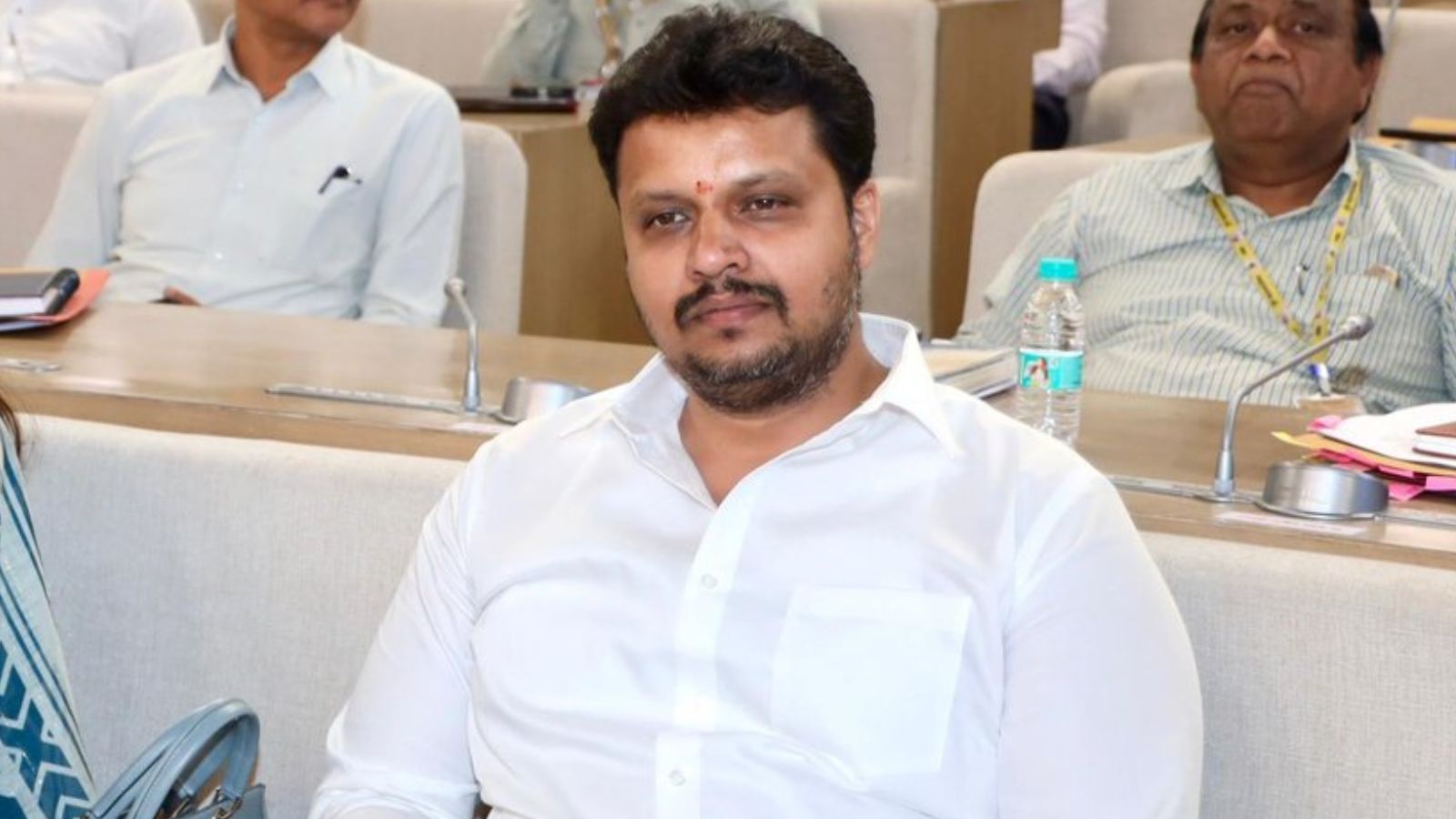
Led by C. Joseph Vijay, the TVK-led coalition in Tamil Nadu marks its first 100 days with a focus on administrative discipline and cabinet diversity, amid growing fiscal concerns.
- Successful completion of 100 days by the first true coalition ministry in Tamil Nadu.
- Unprecedented cabinet diversity including SC, women, and religious minorities.
- Improved administrative responsiveness due to the CM's punctual presence.
- Fiscal concerns regarding populist gold and electricity schemes.
The completion of 100 days by the Tamilaga Vettri Kazhagam (TVK)-led government on August 17, 2026, marks a historic juncture for Tamil Nadu. As the state's first true coalition ministry, the administration headed by actor-turned-politician C. Joseph Vijay has managed to navigate its initial phase without the typical friction associated with new alliances, despite a cabinet composed largely of first-time MLAs.
The composition of the Tamil Nadu Cabinet under Mr. Vijay offers a striking departure from historical norms. The ministry features significant representation from Scheduled Castes (eight members), women (four members), and religious minorities. Notably, the inclusion of two members from the Brahmin community signals a potential shift in the traditional Dravidian political narrative that has historically sidelined this group.
A New Era of Administrative Discipline
BozokMedia analysis shows that Mr. Vijay’s personal approach to governance is reshaping the state's bureaucracy. By maintaining a consistent presence at the Fort St. George Secretariat from 9 a.m. to 5 p.m., the Chief Minister has effectively set a standard for punctuality that has trickled down to field offices across the state.
The Chief Minister's commitment to physical presence in the secretariat is driving a culture of accountability among state officials.
Furthermore, the government's emphasis on anti-corruption measures is yielding visible results. Reports from various districts suggest a perceptible decline in the practice of seeking bribes in public-facing government offices, aligning with the CM's 'zero tolerance' stance.
Why This Matters
While the administrative reforms are promising, the government faces a looming challenge regarding fiscal prudence. The administration has inherited what it describes as an "empty treasury," yet it has simultaneously moved to implement several high-cost populist schemes.
The approval of free electricity for domestic consumers and the launch of the 'Thaimaman Thanga Mothiram' (gold ring) and 'Annan Seer' (gold coin and sari) schemes have raised eyebrows among economists. These initiatives, while fulfilling electoral promises, pose significant practical and financial hurdles for long-term sustainability.
| Feature | Traditional Governance | TVK Government Approach |
|---|---|---|
| Cabinet Composition | Dominant party structure | Highly diverse coalition |
| CM's Presence | Variable/Delegated | Highly disciplined/Direct |
| Transparency | Standard procedural | Increased via White Papers |
Frequently Asked Questions
1. How does the TVK government differ from previous administrations?
It differs through its coalition-based structure, emphasis on administrative punctuality, and a highly diverse cabinet.
2. What are the primary criticisms against the current government?
Critics point toward potential fiscal instability caused by populist welfare schemes and occasional lack of clarity in diplomatic/inter-state communications.