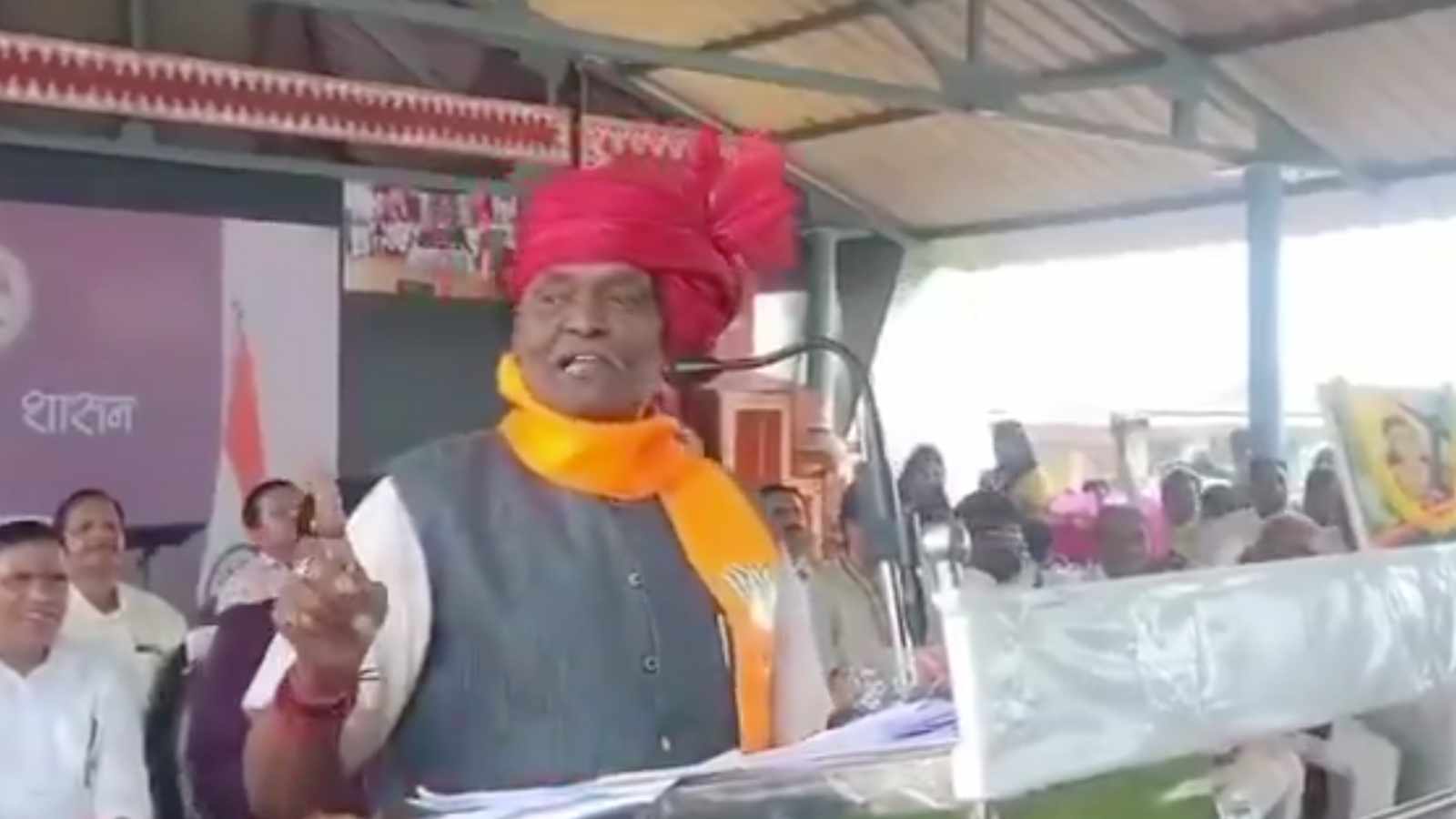
Chief Minister N. Chandrababu Naidu's push for early local body elections is driven by a critical need to secure thousands of crores in Central grants and ensure constitutional mandate compliance.
- The state requires ₹2,300 crore in rural grants and ₹1,562 crore in urban grants.
- The 16th Finance Commission has allocated ₹28,785 crore to Andhra Pradesh for 2026-2031.
- Constitutional deadlines for several local bodies have already expired, leading to administrative reliance on Special Officers.
The push for local body elections in Andhra Pradesh has escalated beyond routine democratic renewal, evolving into a high-stakes race against time. The state government is navigating a complex landscape of constitutional deadlines, massive financial incentives, and sensitive reservation politics.
Chief Minister N. Chandrababu Naidu has underscored the financial urgency of holding polls early. The state is currently seeking substantial Central assistance, specifically ₹2,300 crore for rural grants and ₹1,562 crore for urban grants. Without elected local bodies in place, accessing these vital funds becomes legally and procedurally difficult.
Why This Matters
BozokMedia analysis shows that the broader financial implication is massive. Under the 16th Finance Commission, Andhra Pradesh has been earmarked ₹28,785 crore for the period of 2026-27 to 2030-31. This includes ₹16,627 crore for rural bodies and ₹12,158 crore for urban bodies, intended for essential services like drinking water, sanitation, and waste management.
The timely restoration of elected local governance is not just a constitutional duty but a financial necessity to unlock multi-billion rupee developmental funds.
The political dimension is equally significant. For the TDP-led NDA government, these elections represent the first major test of their organizational strength at the grassroots level. Furthermore, the Cabinet has cleared specific quotas for Backward Classes (BCs), aiming to balance social representation with existing SC/ST reservations.
A significant hurdle remains the electoral rolls. The administration is racing to conclude the process before October 3, when revised rolls are due. Delaying beyond this could trigger legal battles over voter eligibility and ward-wise demographic shifts, which could force a complete revisiting of the reservation exercise.
| Grant Category | Immediate Requirement (Cr) | Total 16th FC Allocation (Cr) |
|---|---|---|
| Rural Local Bodies | ₹2,300 | ₹16,627 |
| Urban Local Bodies | ₹1,562 | ₹12,158 |
Constitutionally, the situation is precarious. Urban local bodies completed their terms on March 15, and Gram Panchayats on April 4. In the absence of elected representatives, the state is forced to rely on 'Special Officers,' a move that satisfies administrative continuity but fails the spirit of Articles 243E and 243U.
Frequently Asked Questions
1. What happens if the elections are delayed further?
Delays could lead to judicial intervention and, more critically, a loss of access to massive Central grants intended for civic infrastructure.
2. How does reservation affect these polls?
The government has implemented new BC reservations, and any change in population data via new electoral rolls could alter how constituencies are reserved for SC/ST groups.