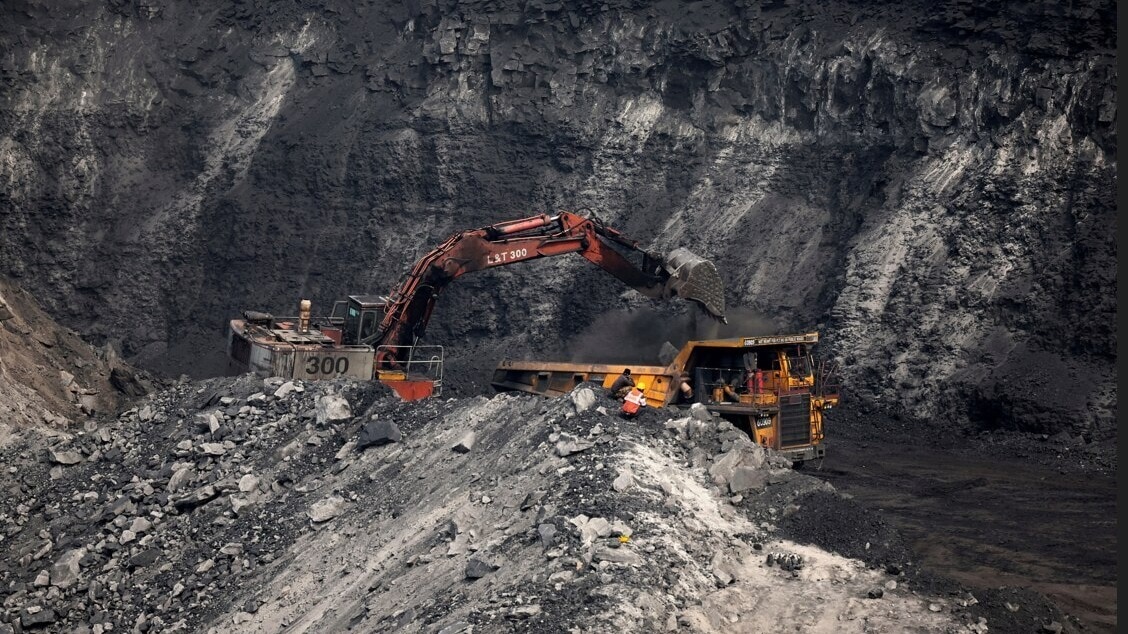
The political standoff in Odisha over the MMDR Amendment Bill, 2026, has escalated, with Congress threatening an economic blockade in mineral-rich districts.
- Congress has threatened an economic blockade in mineral-rich districts over the MMDR Amendment Bill, 2026.
- The BJD and Congress have united to demand a special Assembly session to discuss the law.
- The BJP maintains that the state's mining revenue and rights remain fully protected.
The political landscape in Odisha has turned volatile following the introduction of the Mines and Minerals (Development and Regulation) Amendment Bill, 2026. The Congress party has issued a stern warning, stating they will launch an economic blockade in the state's mineral-heavy districts if the legislation is not withdrawn by the President.
This decision was finalized during a meeting of the Odisha Pradesh Congress Committee's (OPCC) Political Affairs Committee. The opposition, including the BJD and the Congress, has formed a united front against the new law, characterizing it as 'anti-Odisha' and 'anti-tribal.'
Why This Matters
BozokMedia analysis shows that this dispute is a critical battle over fiscal federalism. The core of the conflict lies in the potential loss of state authority to impose taxes or cesses on mining activities, which could significantly impact the state's budgetary capacity.
The centralizing nature of the new amendment could strip states of their essential financial autonomy derived from natural resources.
BJD chief whip Pramila Mallik emphasized that the state would suffer immensely if it loses the power to levy cesses. Conversely, senior BJP leader Dharmendra Pradhan has dismissed these concerns, accusing former Chief Minister Naveen Patnaik of misleading the public. Pradhan argued that the Modi government's reforms have historically boosted Odisha's revenue from ₹5,000 crore to ₹50,000 crore.
The BJP insists that 100% of the auction premium, royalty, and District Mineral Foundation (DMF) funds will continue to flow to the state government, ensuring that the economic future of Odisha remains secure under the new framework.
Historical Background
The MMDR Act has undergone several significant changes over the decades. A major turning point occurred in 2015 when the central government increased ad valorem royalty from 10% to 15%, a move that significantly enhanced state revenues. The current 2026 amendment seeks to further restructure these regulations, sparking fears of a power shift from states to the Union.
| Issue | Opposition (BJD/Congress) View | Ruling Party (BJP) View |
|---|---|---|
| Revenue Impact | State will lose taxing powers and cesses. | Revenue and royalties remain untouched. |
| Resource Rights | Undermines state rights over minerals. | Secures the country's mining future. |
Frequently Asked Questions
1. What is the main grievance of the Congress party?
Congress believes the MMDR Bill 2026 undermines Odisha's rights over its mineral resources and threatens tribal interests.
2. How does the BJP defend the new Bill?
The BJP claims the Bill is a historic step for mining security and that all existing revenue streams for the state will remain intact.