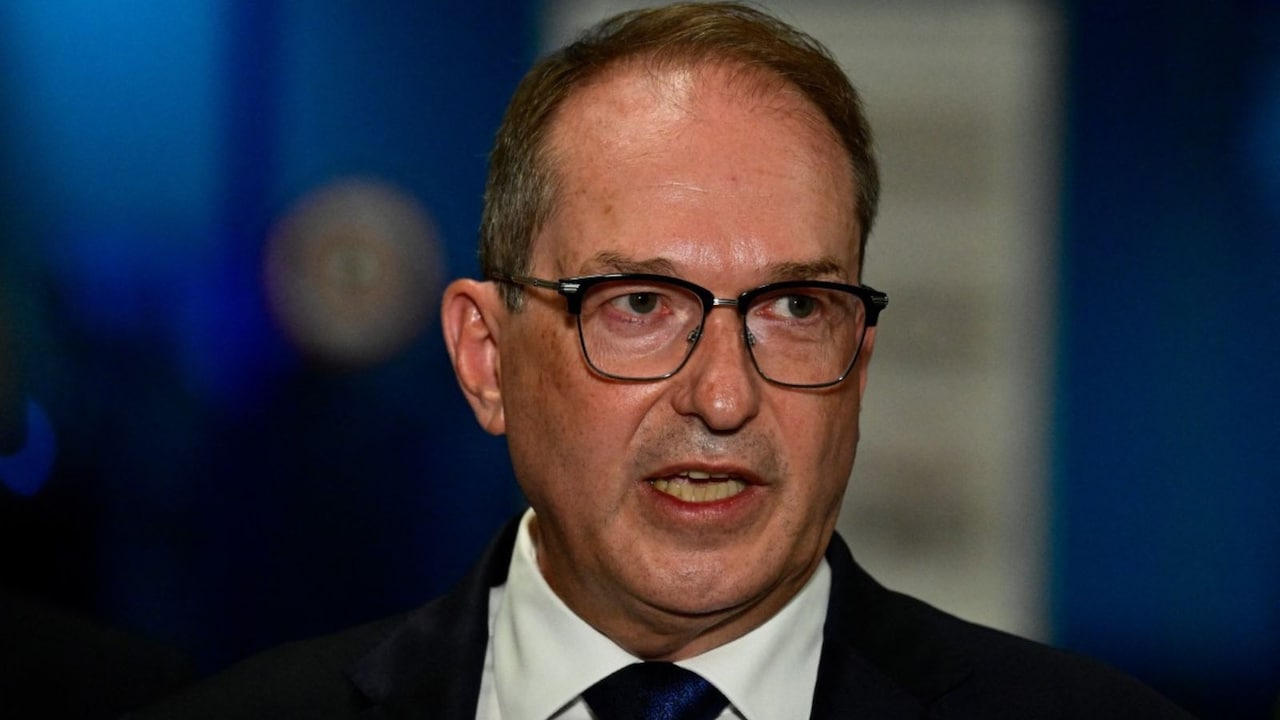
Russian President Vladimir Putin has visited the recently discovered remains of a medieval Russian prince, a move seen as blending historical reverence with modern political symbolism.
- President Putin visited the site of newly unearthed medieval Russian remains.
- The discovery involves a 600-year-old sarcophagus and warrior prince relics.
- The visit carries heavy symbolic weight regarding Russian national identity.
In a move that blends archaeological significance with intense political symbolism, Russian President Vladimir Putin has visited the site where the remains of a medieval Russian prince were recently unearthed. This discovery has sent ripples through both the scientific community and the political landscape of the Kremlin.
The remains, found within an ancient 600-year-old sarcophagus, are believed to belong to a high-ranking medieval warrior prince. These findings are being hailed by state media as a connection to Russia's glorious and sovereign past, reinforcing the nation's historical continuity.
Historical Background
During the medieval era, Russian princes were more than just rulers; they were the bedrock of the nation's spiritual and military identity. Figures like Prince Dmitry Donskoy represent a period of intense struggle and the eventual consolidation of Russian power, making such archaeological finds highly sensitive and potent.
Why This Matters
BozokMedia analysis shows that Putin's engagement with these relics is likely a calculated move to bolster nationalistic sentiment. By aligning the modern presidency with the lineage of medieval warrior-princes, the Kremlin seeks to establish a historical mandate for its current geopolitical objectives.
The intersection of archaeology and statecraft is a potent tool for building a narrative of eternal national destiny.
While official channels frame the visit as a respect for historical heritage, critics and some independent observers suggest that these symbols are being mobilized to provide moral weight to the ongoing 'Special Military Operation' (SVO) and broader national mobilization efforts.
Frequently Asked Questions
Question 1: Who is the prince believed to be?
While specific identification is undergoing study, the remains are linked to the era of legendary warrior-princes like Dmitry Donskoy.
Question 2: What is the political implication?
The visit serves to bridge the gap between Russia's medieval past and its current state-driven nationalist narrative.