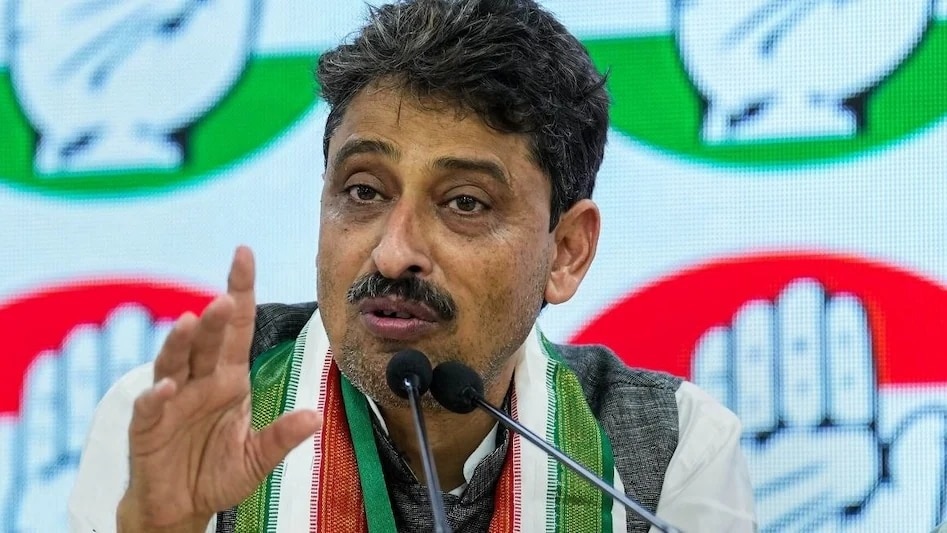
During the Southern Zonal Council meeting chaired by Amit Shah, southern states voiced critical concerns regarding delimitation, NEET exemptions, and fiscal autonomy.
- Southern states expressed fears that population control success could lead to reduced parliamentary representation.
- Tamil Nadu reiterated its staunch opposition to the NEET examination.
- Karnataka demanded political representation proportional to its economic contribution.
In a high-level meeting chaired by Union Home Minister Amit Shah, the leaders of Southern India converged to discuss critical issues ranging from delimitation to fiscal autonomy. The Southern Zonal Council meeting highlighted a growing tension between regional achievements in population control and the potential loss of political voice in the upcoming parliamentary restructuring.
Tamil Nadu took a firm stand against the NEET exam, arguing that it creates an uneven playing field for students. Simultaneously, Karnataka raised a significant point regarding federalism, asserting that its political representation must align with its substantial economic contribution to the nation's GDP. This reflects a broader demand for a more balanced federal structure.
Why This Matters
BozokMedia analysis shows that the friction between the North and South regarding delimitation is not just a political debate but a fundamental question of democratic equity. As southern states have successfully managed population growth, they fear being penalized in the redistribution of parliamentary seats.
The concerns raised by the southern states signify a pivotal moment in Indian federalism, where economic success and social progress are clashing with traditional political arithmetic.
The discussions also touched upon vital infrastructure and resource management. Andhra Pradesh pushed for river interlinking and economic integration, while Kerala signaled its readiness to cooperate on resolving long-standing water-sharing issues. Telangana emphasized the need for stronger regional coordination to ensure seamless development.
Historical Background: The Zonal Councils were established to promote interstate cooperation and address issues of common interest. The current friction highlights how demographic shifts are reshaping the political landscape of the Indian Union.
Frequently Asked Questions
Question 1: Why are southern states worried about delimitation?
Answer: They fear that because they successfully controlled population growth, they will lose parliamentary seats to more populous northern states.
Question 2: What was the stance of Tamil Nadu in the meeting?
Answer: Tamil Nadu reiterated its strong opposition to the NEET entrance exam for medical admissions.