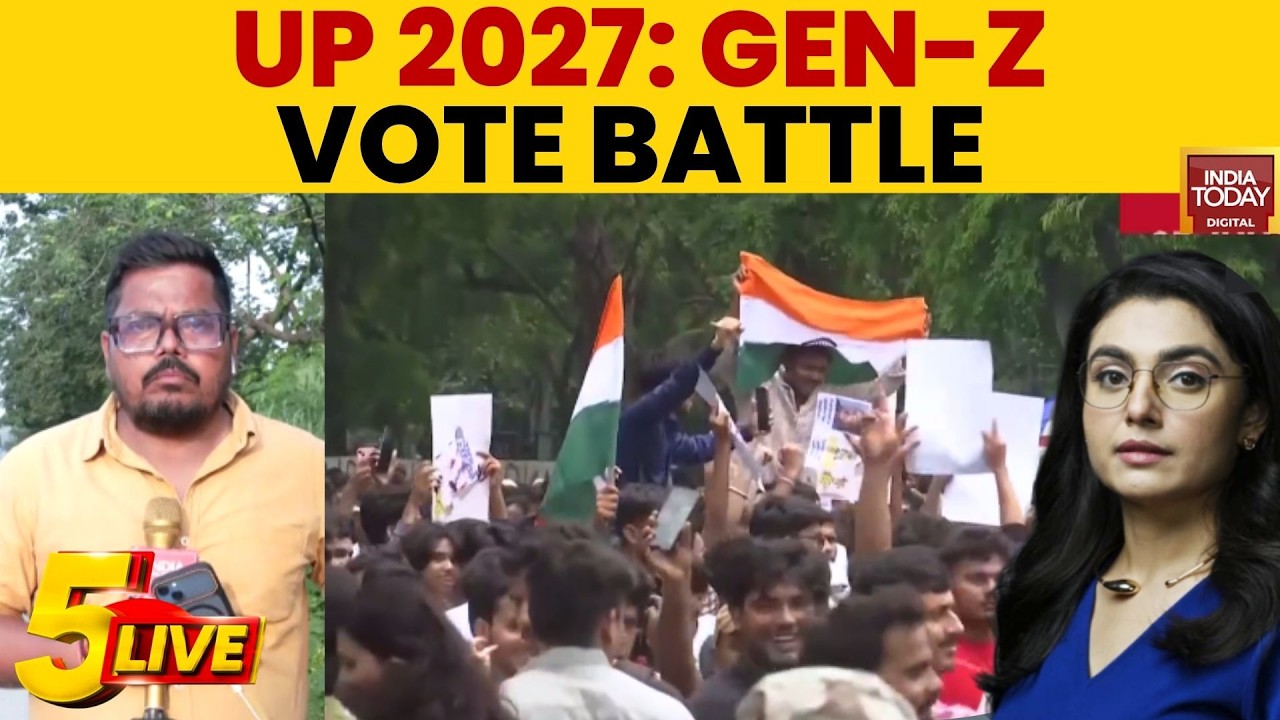
Ahead of the 2027 Uttar Pradesh Assembly elections, political parties are pivoting toward Gen Z voters using AI-driven campaigns and promises of job and school reforms.
- Political parties are shifting focus to Gen Z voters for the 2027 UP Assembly polls.
- AI-driven digital campaigns are becoming a core strategy for political outreach.
- Employment and educational reforms are emerging as the primary electoral battlegrounds.
The political landscape of Uttar Pradesh is undergoing a seismic shift. As the state prepares for the 2027 Assembly elections, political organizations are moving beyond traditional grassroots mobilization to target the influential Generation Z (Gen Z) demographic. This strategic pivot involves the integration of Artificial Intelligence (AI) to create hyper-personalized and high-impact digital campaigns.
A significant portion of this new strategy revolves around addressing the core anxieties of the youth: employment opportunities and structural school reforms. By centering their manifestos on these economic and social pillars, parties aim to capture the loyalty of a massive, digitally-native electorate that prioritizes career stability and modern education over traditional identity politics.
Why This Matters
BozokMedia analysis shows that the ability to master digital engagement and address the specific socio-economic needs of the youth will likely determine the winner of the 2027 polls. The intersection of technology and demographics is creating a new paradigm in Indian electoral politics.
The integration of AI and youth-centric policy frameworks will redefine the competitive dynamics of the upcoming UP elections.
While the focus in UP is on policy and tech, recent events in other regions, such as the Pune Police imposing 30 strict conditions on the Congress Party's 'Chhatro Ki Goonj' event, highlight the complexities of youth outreach. Such administrative hurdles underscore the tension between political mobilization and law enforcement in the current climate.
Political parties are increasingly utilizing interactive sessions and digital enrollment drives to bridge the gap between leaders and young citizens. This move is designed to convert digital engagement into actual voter turnout, ensuring that the Gen Z vote translates into significant political capital.
Frequently Asked Questions
Question 1: How is AI being used in political campaigning?
Answer: AI is used for data-driven voter targeting, automated messaging, and creating immersive digital content.
Question 2: What are the primary issues for Gen Z in UP?
Answer: Job creation, quality education, and digital infrastructure are the top priorities.
