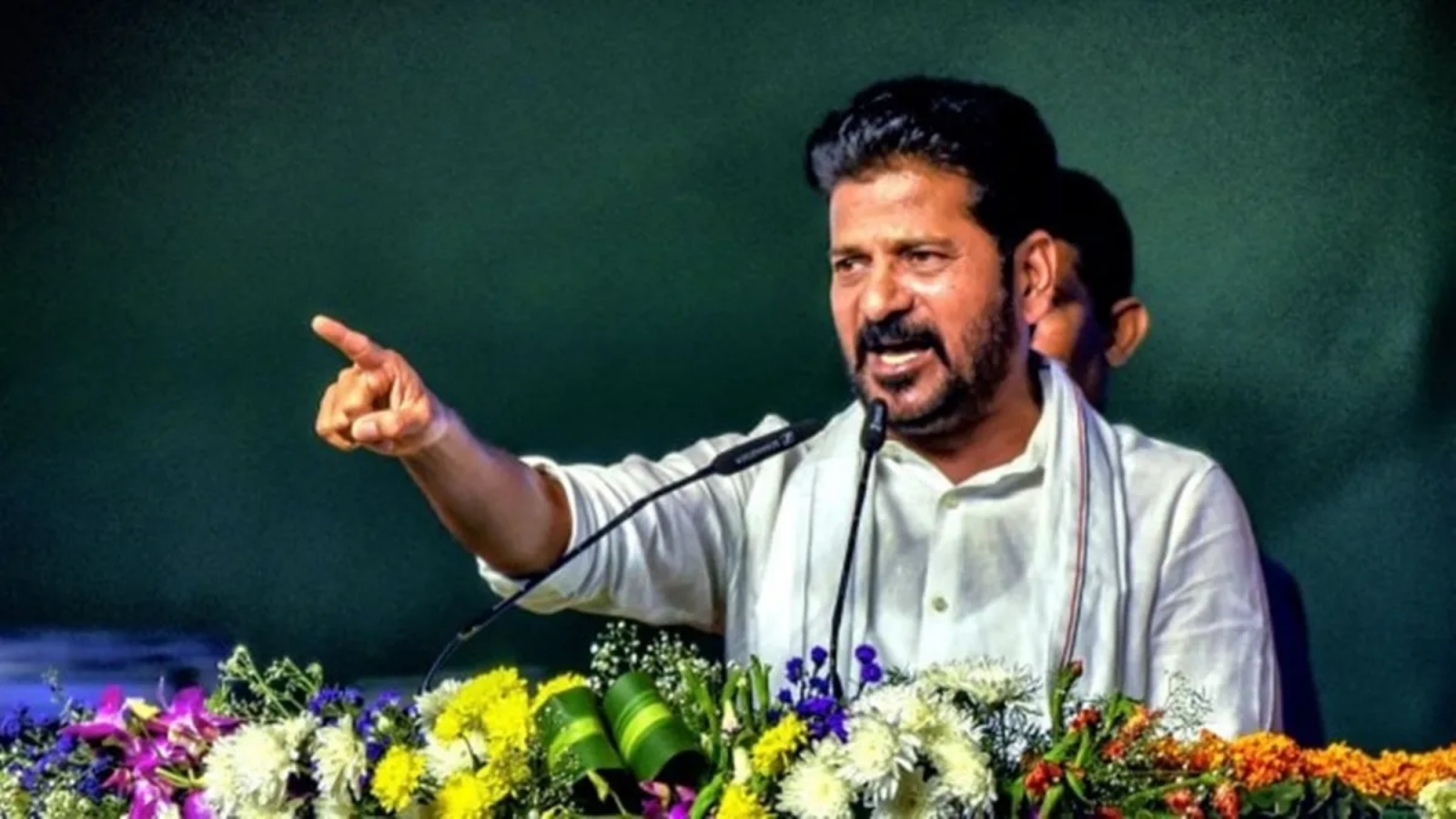
Tamil Nadu Chief Minister Vijay has sparked political controversy after apparently softening his stance on the delimitation issue following a late-night meeting with Union Home Minister Amit Shah. While the state assembly recently passed a resolution demanding a permanent freeze on Lok Sabha seats, Vijay's latest comments at the Southern Zonal Council meeting took a more nuanced, non-confrontational approach.
- Tamil Nadu CM Vijay shifted from demanding a permanent freeze of 543 Lok Sabha seats to requesting legislative protection for states' representation percentage.
- The apparent shift occurred immediately after a late-night meeting with Union Home Minister Amit Shah, leading to opposition allegations of a "U-turn".
- Southern states fear that redrawing constituencies based on the 2011 Census will reduce their political influence and tax share due to successful population control.
Tamil Nadu Chief Minister Vijay's recent statements at the 31st Southern Zonal Council meeting have ignited a massive political debate across the state. Just days after the Tamil Nadu Assembly passed a highly publicized resolution against the proposed delimitation exercise, the Chief Minister's stance appeared visibly softer. The opposition, led by the DMK and AIADMK, has wasted no time in targeting Vijay, accusing him of succumbing to pressure from the Central government.
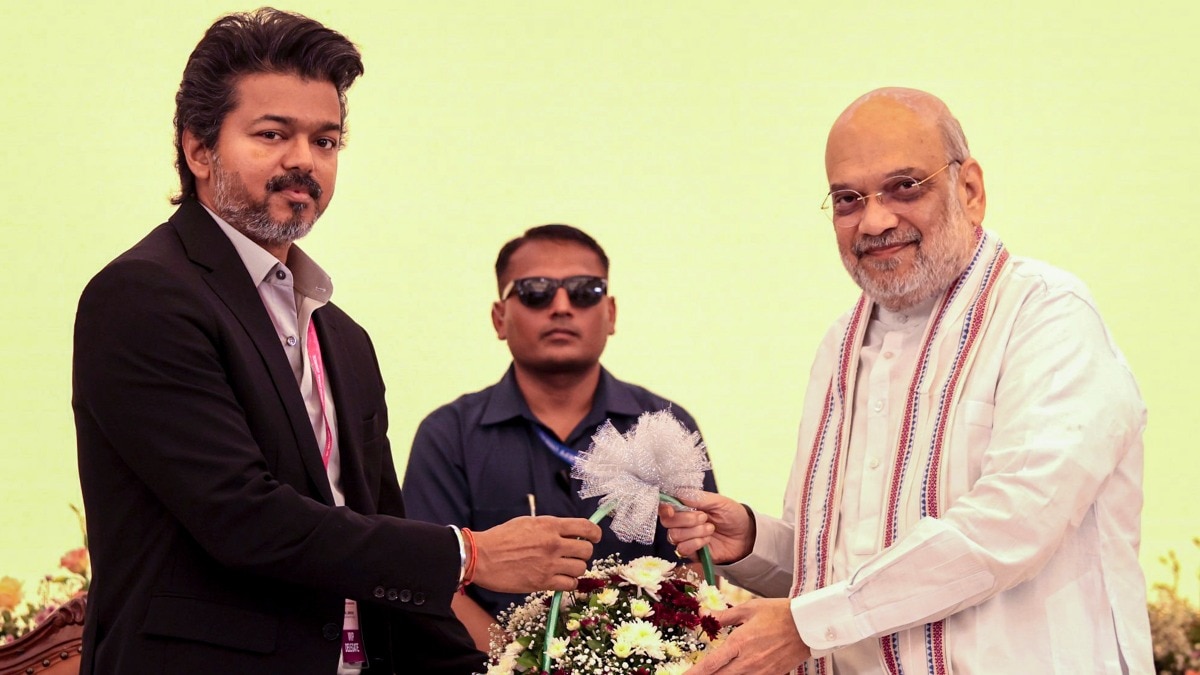
The controversy gained momentum following a late-night, closed-door meeting between Chief Minister Vijay and Union Home Minister Amit Shah on Wednesday. This was Vijay's first official meeting with Shah since taking office as Chief Minister. Observers noted the warm reception Vijay extended to the Home Minister, signaling a departure from the traditionally confrontational dynamics between Chennai and New Delhi.
At the heart of the dispute is a subtle but significant change in terminology. The Tamil Nadu Assembly's resolution on August 12 demanded a permanent freeze on the Lok Sabha's total strength at 543 seats, arguing that southern states should not be penalized for their successful population control measures. However, sitting alongside Amit Shah, Vijay did not repeat this demand. Instead, he urged the Centre to provide "clear legislative assurance" that no state's percentage of parliamentary representation would shrink due to population stabilization successes.
This shift in vocabulary is highly consequential. By focusing on the percentage share of representation rather than freezing the absolute number of seats, Vijay's new position leaves room for an expansion of the total Lok Sabha seats, provided the relative political weight of states like Tamil Nadu is preserved. Political analysts suggest this nuanced approach is designed to keep channels of communication open with the BJP-led Centre.
Why This Matters
A BozokMedia analysis shows that the delimitation debate is not merely about parliamentary seats, but about the long-term balance of federal power in India. If constituencies are redrawn strictly based on the 2011 Census, rapidly growing northern states could gain a massive legislative advantage, effectively marginalizing the southern states that successfully implemented national population control policies. CM Vijay's non-confrontational approach represents a strategic gamble to secure concessions rather than engaging in absolute opposition.
| Feature | Assembly Resolution Stance | Zonal Council Stance (Post-Shah Meet) |
|---|---|---|
| Seat Limit | Demanded a permanent freeze at 543 seats | Did not mention the 543-seat ceiling |
| Core Strategy | Absolute opposition to expanding Lok Sabha seats | Nuanced focus on protecting percentage share of representation |
| Tone toward Centre | Confrontational and uncompromising | Cooperative, seeking legislative assurances |
"Vijay's transition from a rigid legislative resolution to a flexible plea for safeguards indicates a highly pragmatic, non-confrontational style of statecraft, though it risks alienating his allies," noted political analyst TR Jawahar.
Historical Background of Delimitation
Delimitation is the process of redrawing boundaries of parliamentary and assembly constituencies based on the latest census data to ensure equal representation. The allocation of seats in the Lok Sabha was frozen based on the 1971 Census through the 42nd Amendment in 1976, and later extended until 2026 by the 84th Amendment in 2001. As the 2026 deadline approaches, the tension between northern states with high population growth and southern states with successful demographic control has reached a boiling point, with trillions of rupees in tax devolution and political power hanging in the balance.
Frequently Asked Questions
1. Why is the opposition criticizing CM Vijay?
The opposition, including the DMK, accuses CM Vijay of making a sudden U-turn on the delimitation issue after his late-night meeting with Home Minister Amit Shah, shifting from a hardline demand to freeze seats to a milder plea for percentage protection.
2. What is the main concern of southern states regarding delimitation?
Southern states fear that redrawing seats based on recent population figures will drastically reduce their representation in Parliament, shifting political power and financial resources heavily toward northern states.