A major discrepancy in Maharashtra's voter revision process has left over 40% of voters in 25 urban constituencies without collected SIR forms, threatening their inclusion in the upcoming draft rolls.
- Over 40% of voters in 25 urban Maharashtra constituencies have uncollected Special Intensive Revision (SIR) forms.
- 17 affected seats are in the Mumbai region, 7 in Pune, and 1 in Nagpur.
- Approximately 48.17 lakh voters in these areas may be excluded from the August 31 draft roll.
- Bhiwandi East recorded the highest failure rate at 49.11%.
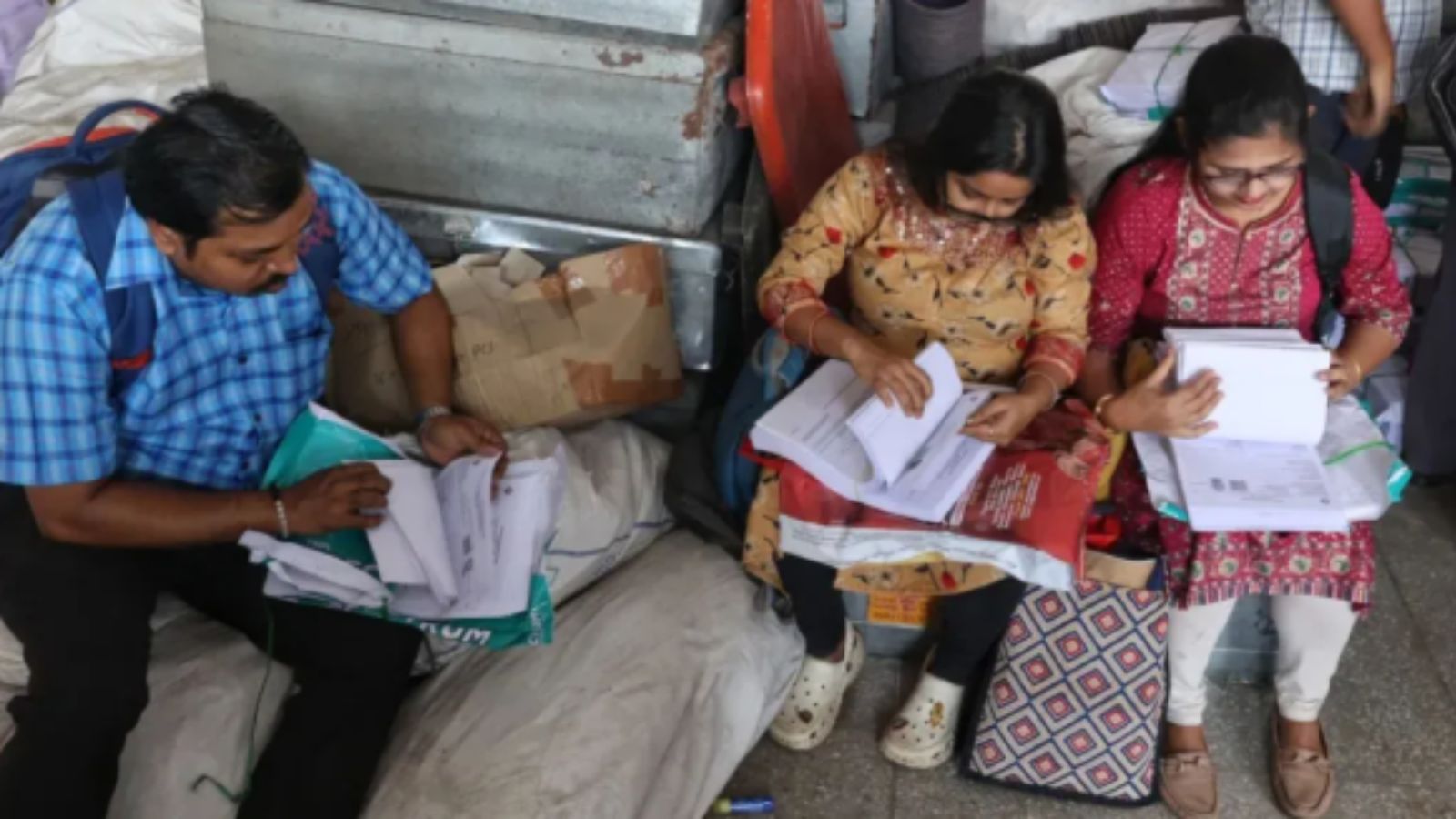
In a significant blow to urban electoral participation, a massive gap has emerged in the voter revision process across Maharashtra. An analysis reveals that in 25 of the state's 288 Assembly constituencies—all of which are urban—the Special Intensive Revision (SIR) forms for over 40% of voters could not be collected. Consequently, these millions of citizens face the risk of being excluded from the draft electoral roll scheduled for publication on August 31.
The scale of this issue is concentrated in major metropolitan hubs. Of the 25 affected constituencies, 17 are located within the Mumbai Metropolitan Region, 7 in Pune, and 1 in Nagpur. These specific seats house 1.10 crore electors, of whom a staggering 48.17 lakh (43.7%) remain untraced. This represents nearly a quarter of all uncollected forms across the entire state.
Why This Matters
BozokMedia analysis shows that this discrepancy cuts across all socio-economic strata. The failure to collect forms is not confined to informal settlements; it spans from high-rise luxury apartments in Malabar Hill to middle-class strongholds in Kothrud. This systemic failure highlights the immense difficulty of door-to-door verification in modern, highly mobile urban environments.
The high percentage of uncollectable forms is a direct result of extreme population mobility and the fact that a comprehensive revision hasn't occurred in over 24 years.
The data highlights Bhiwandi East as the worst-hit constituency, with a 49.11% non-collection rate—nearly 2.5 times the state average. Other critical areas include Colaba (46.98%), Khadakwasla (46.64%), and Nalasopara (46.43%). While Nalasopara has the highest volume of missing forms (3.07 lakh), Bhiwandi East remains the most disproportionately affected in terms of percentage.
Historical Background
The root of this administrative challenge lies in the timeline of electoral updates. The last Special Intensive Revision (SIR) was conducted in 2002. For over two decades, the electoral rolls have not undergone a comprehensive, house-to-house update. Furthermore, the state is currently grappling with approximately 34 lakh entries of deceased voters that need to be purged from the system.
| Region | Affected Seats | Primary Challenge |
|---|---|---|
| Mumbai Region | 17 Seats | High density & High-rise accessibility |
| Pune Region | 7 Seats | High population mobility |
| Nagpur Region | 1 Seat | Administrative reach |
Frequently Asked Questions
1. What should a voter do if their name is missing from the draft roll?
Eligible voters can file a claim for inclusion using Form 6 or seek corrections via Form 8 during the designated claims and objections period.
2. When will the final voter list be released?
The draft roll will be published on August 31, and the final electoral roll is scheduled to be released on October 19.