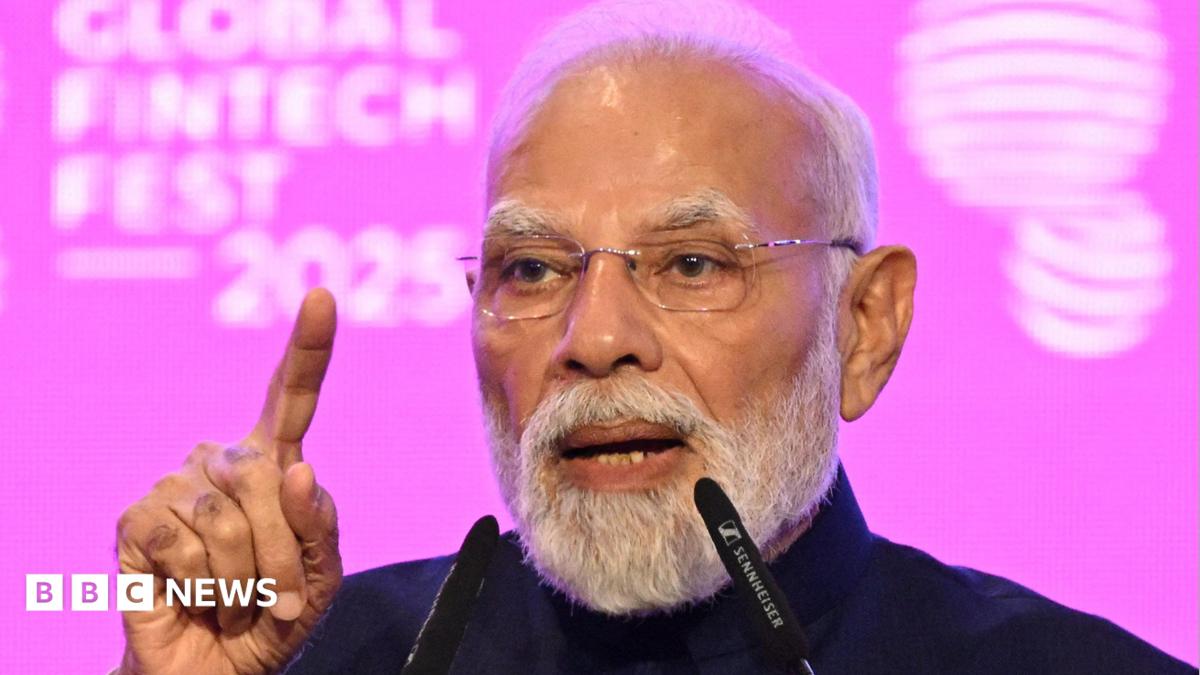
Addressing the Economic Times World Leaders Forum 2026, PM Narendra Modi emphasized that activities not explicitly banned by law should not require prior authorization, signaling a massive shift in governance.
- PM Modi stated that if an act is not prohibited by law, no permission is required.
- Emphasized political stability and that reforms are a compulsion for India.
- Highlighted India's rising global stature as a nation of hope and growth.
Prime Minister Narendra Modi, while addressing the prestigious Economic Times World Leaders Forum 2026, articulated a profound philosophy regarding governance and individual liberty. He asserted that in a progressive democracy, any action that is not explicitly forbidden by the law should not necessitate seeking prior permission from authorities.
This statement marks a significant ideological shift toward reducing bureaucratic friction. The Prime Minister highlighted that India enjoys political stability, which has allowed the government to treat economic and administrative reforms not merely as choices, but as a 'compulsion' to keep pace with global standards.
Why This Matters
BozokMedia analysis shows that this stance is a direct challenge to the traditional 'license raj' mindset that has historically plagued Indian administration. By advocating for a system where liberty is the rule and restriction is the exception, the PM is setting the stage for an unprecedented surge in entrepreneurship and civic engagement.
The shift from a culture of permission to a culture of legality will redefine India's economic landscape.
Furthermore, the Prime Minister noted that the global community now views India as a beacon of development and hope. This global recognition is a byproduct of India's consistent reformist agenda and its ability to maintain stability amidst global volatility.
Historical Background
For decades, Indian citizens and businesses faced a labyrinth of regulations where even lawful activities required multiple layers of approval. While the liberalization of 1991 began the process of dismantling these barriers, the current administration aims to complete this journey by digitizing and simplifying the very core of legal compliance.
Frequently Asked Questions
1. What does 'no permission needed' imply for businesses?
It implies that businesses can operate freely within the legal framework without being stalled by unnecessary regulatory hurdles.
2. How does political stability affect these reforms?
Stability provides the continuity required to implement long-term structural reforms without the fear of sudden policy reversals.