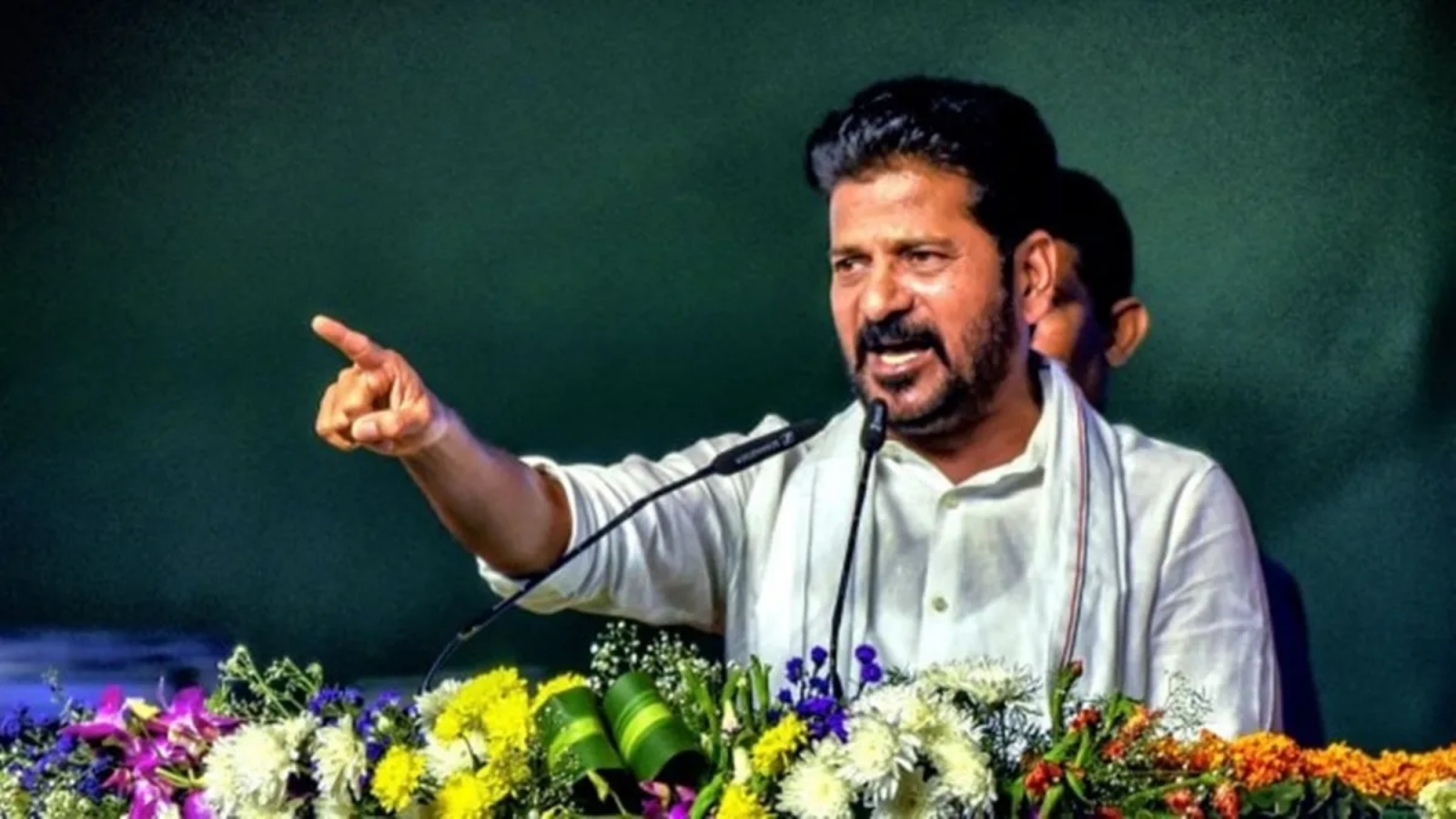
A major political conflict has erupted in South India over the upcoming parliamentary delimitation exercise, with the DMK and TVK clashing over Lok Sabha representation. Southern leaders fear that a population-based redistribution of seats will drastically reduce their political influence, giving northern Hindi-speaking states an overwhelming majority in Parliament.
- The proposed delimitation exercise could increase Lok Sabha seats by 50%, potentially shifting political power heavily towards northern states.
- DMK and TVK are engaged in a fierce political clash in Tamil Nadu over their shifting stances on seat allocation.
- Southern states argue that their successful population control measures are effectively punishing them with reduced parliamentary representation.
The political landscape of South India is currently witnessing a massive upheaval as the debate over the proposed parliamentary delimitation exercise intensifies. Following a high-level meeting of southern Chief Ministers chaired by the Union Home Minister in Mahabalipuram, regional parties have locked horns. The core of the issue lies in how future Lok Sabha seats will be allocated, with regional heavyweights like the Dravida Munnetra Kazhagam (DMK) and Tamilzhaga Vettri Kazhagam (TVK) trading fierce accusations over their respective political stances.
At the heart of this controversy is the fear of political marginalization. Southern states, which have successfully implemented federal family planning and development programs over the past several decades, feel they are being penalized for their success. Under the current population-based formula for delimitation, northern states—which have experienced higher population growth rates—stand to gain a disproportionately high number of parliamentary seats.
Projections suggest that a fifty percent increase in total Lok Sabha seats could fundamentally alter the federal balance of power in India. If the delimitation goes through purely based on the new census data, states like Uttar Pradesh and Bihar will see their parliamentary representation skyrocket. Conversely, southern states like Tamil Nadu, Kerala, Andhra Pradesh, Telangana, and Karnataka will see their relative share of seats shrink, effectively reducing their voice in national policy-making.
| Region / State Group | Population Growth Trend | Projected Seat Share Impact | Core Political Concern |
|---|---|---|---|
| Northern States (e.g., UP, Bihar) | High growth rates | Significant increase in Lok Sabha seats | Potential domination of federal politics |
| Southern States (e.g., Tamil Nadu, Kerala) | Controlled/Low growth rates | Relative decrease in seat percentage | Loss of federal representation and funding |
In Tamil Nadu, the political battle has turned local. The ruling DMK has accused opposition forces, including the newly formed TVK, of compromising on the state's interests. Meanwhile, rival parties argue that the DMK has failed to secure solid guarantees from the central government despite its strong presence in parliament. This political posturing has turned the delimitation debate into a key electoral issue in the state.
Why This Matters
A BozokMedia analysis shows that the delimitation row is not merely a dispute over parliamentary seats; it is a fundamental challenge to the cooperative federalism of India. By linking political representation strictly to population size, the Union government risks alienating states that have effectively contributed to national development goals, such as population control and economic stability. This could lead to long-term regional alienation and strain the delicate constitutional bond between the Centre and the States.
"Penalizing states for demographic responsibility is a dangerous precedent that threatens the very fabric of Indian federalism." - Dr. K. Raghavan, Political Scientist.
Historically, the freeze on seat allocation was introduced during the Emergency in 1976 under the 42nd Amendment to encourage states to pursue population control without fearing a loss of political power. This freeze was subsequently extended until 2026. As the deadline approaches, the lack of a consensus-based alternative has created a political powder keg, with southern leaders demanding that representation be frozen at current levels or decoupled from population size.
Frequently Asked Questions
What is the delimitation exercise?
Delimitation is the act of redrawing boundaries of Lok Sabha and state Assembly seats to represent changes in population over time.
Why are southern states opposing population-based delimitation?
Southern states have successfully controlled their population growth. If seats are allocated based on population, they will lose seats relative to northern states with higher growth rates, reducing their influence in Parliament.