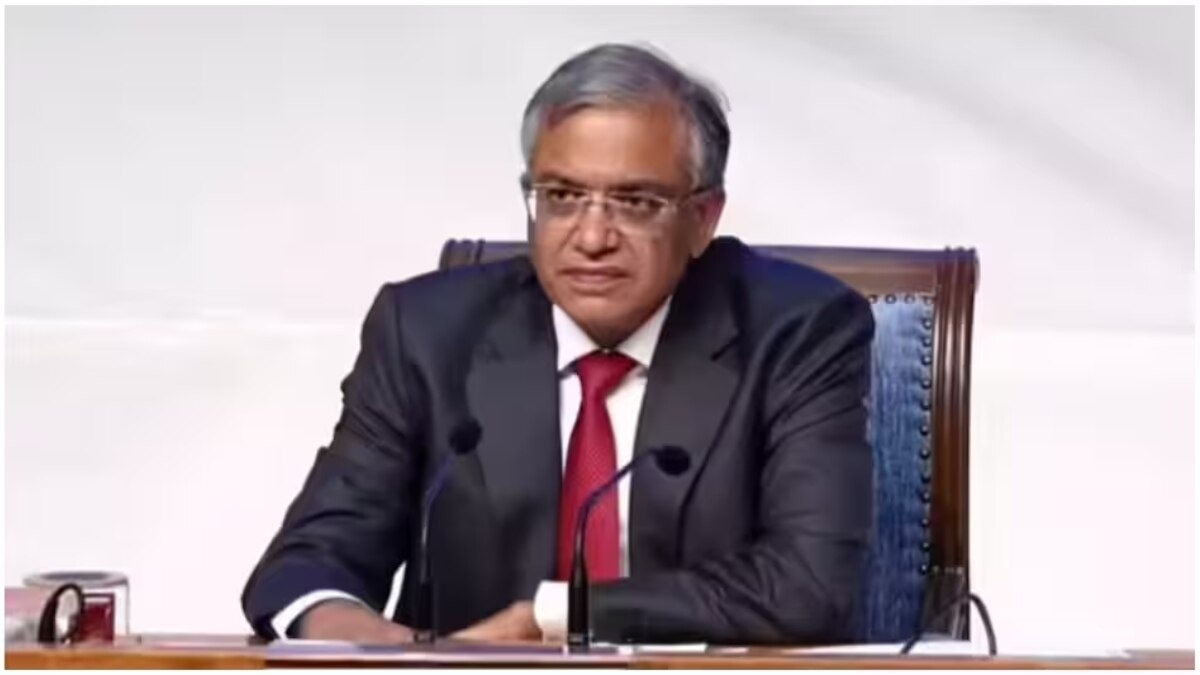
Trinamool Congress leader Saket Gokhale has accused the Election Commission of India (ECI) of withholding Chief Election Commissioner (CEC) Gyanesh Kumar's official travel details and public expenditure under the RTI Act, labeling it 'personal information'. This dispute intensifies questions surrounding transparency, accountability, and the use of public funds by a crucial constitutional body, potentially eroding public trust.
- The ECI refused to disclose CEC Gyanesh Kumar's travel details, citing 'personal information'.
- TMC leader Saket Gokhale filed an RTI application seeking details of public funds spent on these trips.
- Gokhale questioned the lack of transparency and accountability from the Election Commission.
New Delhi: Former Rajya Sabha MP and Trinamool Congress (TMC) leader Saket Gokhale has leveled serious allegations against the Election Commission of India (ECI), claiming it has refused to disclose details of official visits undertaken by Chief Election Commissioner (CEC) Gyanesh Kumar and the public money spent on them. The ECI reportedly cited the information as 'personal' under the Right to Information (RTI) Act, sparking a fresh controversy over transparency and accountability within the constitutional body.
Gokhale stated that he filed an RTI application on June 18, 2025, seeking comprehensive details of all official visits undertaken by Kumar since he assumed charge as CEC on February 19, 2025, along with the expenditure incurred from public funds. The requested information included the total number of domestic and foreign visits, visit-wise dates, destinations, purpose, and mode of travel. It also sought details of officials who accompanied the CEC at government expense, and a detailed breakdown of expenditure on travel, accommodation, daily allowance, local transport, and other associated costs.
In its response dated July 31, 2025, a copy of which was shared by Gokhale on X (formerly Twitter), the Election Commission stated: "The information sought under these items relates to personal information and therefore cannot be shared under Section 8(1)(j) of the RTI Act, 2005." This response prompted Gokhale to question how expenditure incurred on official visits from public funds could possibly be classified as "personal information."
"How can expenditure incurred on official visits from public funds be called 'personal information'? Even the cost of PM's foreign travel has been disclosed in Parliament. So what makes Gyanesh Kumar so special?" Gokhale asserted. He further questioned the poll panel's motives, asking, "What sort of public money has been spent on Gyanesh Kumar's visits that ECI is scared to disclose it?"
Why This Matters
The Election Commission is a cornerstone of India's democracy, tasked with ensuring free and fair elections. BozokMedia analysis indicates that transparency from such a critical constitutional body is paramount for maintaining public trust and democratic integrity. When information regarding the use of public funds is withheld, it undermines the very spirit of accountability and can foster suspicion among citizens. This incident comes at a time when debates surrounding the autonomy and transparency of constitutional institutions in the country are already heightened.
"Classifying information related to public expenditure by an individual holding a public office as 'personal' fundamentally contradicts the principles of transparency. It risks severely eroding citizen trust in democratic governance."
Gokhale further accused the Election Commission of a lack of accountability and transparency since Kumar took charge as CEC, alleging that the poll panel had become "a black hole." He clarified that his RTI application specifically sought information on completed official visits funded wholly or partly from public money, not prospective itineraries, real-time movement details, or security arrangements.
The ECI's response has consequently raised significant questions about the expenditure incurred on the CEC's official travel and has ignited calls for greater transparency. "What exactly is ECI trying to hide about Gyanesh Kumar's trips? We need answers," Gokhale concluded. This dispute highlights a crucial debate on the functioning and public accountability of vital institutions like the Election Commission.
Frequently Asked Questions
- Q1: What is Section 8(1)(j) of the RTI Act and why was it invoked?
A1: Section 8(1)(j) of the RTI Act exempts disclosure of information that would cause an unwarranted invasion of the privacy of an individual, unless the larger public interest justifies its disclosure. The ECI invoked this, arguing that CEC's travel details constitute personal information. - Q2: What could be the potential implications of this controversy on the ECI's image?
A2: Allegations of lack of transparency regarding public expenditure can damage the ECI's credibility and perception of impartiality. It could diminish public trust and fuel broader discussions about the accountability of constitutional bodies.