A massive political showdown has erupted over the proposed bill to make all six stanzas of 'Vande Mataram' mandatory at state functions. Rahul Gandhi-led Congress is protesting the move in Delhi.
- The Centre proposes making all six stanzas of Vande Mataram mandatory at official events.
- Opposition and film personalities express concerns over religious references in certain stanzas.
- Rahul Gandhi has spearheaded protests in Delhi against the perceived polarization.
The political landscape in India is witnessing a fierce showdown following a controversial bill introduced by the Union Government. The bill seeks to mandate the rendition of all six stanzas of the national song, Vande Mataram, during all official state functions, sparking a debate that cuts across politics and cinema.
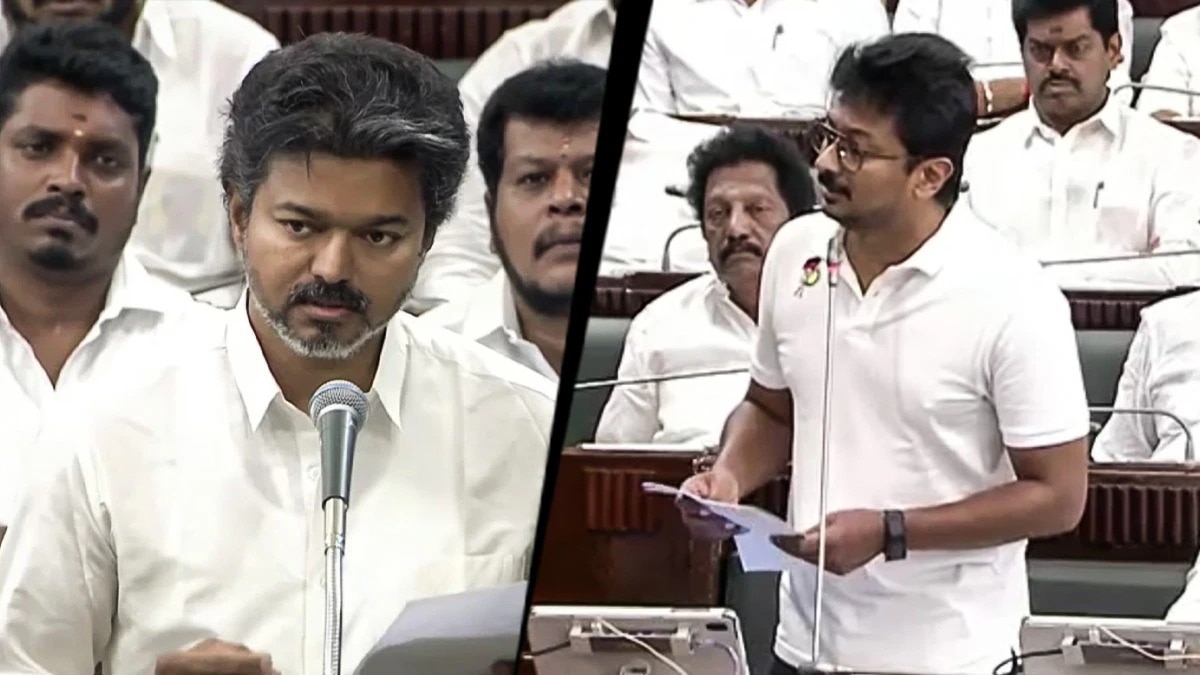
The crux of the tension lies in the lyrical content of the later stanzas. A veteran actor has voiced concerns, suggesting that only the first two stanzas should be sung. The argument posits that references to specific deities within the full song could pose challenges for monotheistic communities, potentially impacting social cohesion. In a sharp rebuttal, a ruling party MP criticized this stance, urging citizens not to view art through a religious lens.
Why This Matters
BozokMedia analysis shows that this controversy is not merely about a song, but represents a fundamental struggle over the definition of Indian identity and the boundaries of secularism in a rapidly evolving political climate.
The politicization of cultural symbols often draws a thin line between assertive nationalism and social inclusivity.
The confrontation has escalated into a direct political battle. The Union Home Minister has accused the primary opposition party of engaging in 'appeasement politics' and fostering historical divisions. Countering these allegations, the opposition leadership has maintained that their stance to restrict the rendition to the initial two stanzas is intended to preserve national unity without causing religious discomfort.
Historical Background
Written by Bankim Chandra Chattopadhyay, Vande Mataram served as a powerful anthem during the Indian independence movement. While it is a symbol of patriotism, the theological nuances of its various stanzas have been a subject of scholarly and social debate for decades.
Frequently Asked Questions
Question 1: What is the central issue of the bill?
Answer: The bill proposes to make the singing of all six stanzas of Vande Mataram compulsory at official government ceremonies.
Question 2: Why is the opposition protesting?
Answer: The opposition argues that certain stanzas contain religious references that may be insensitive to certain communities.