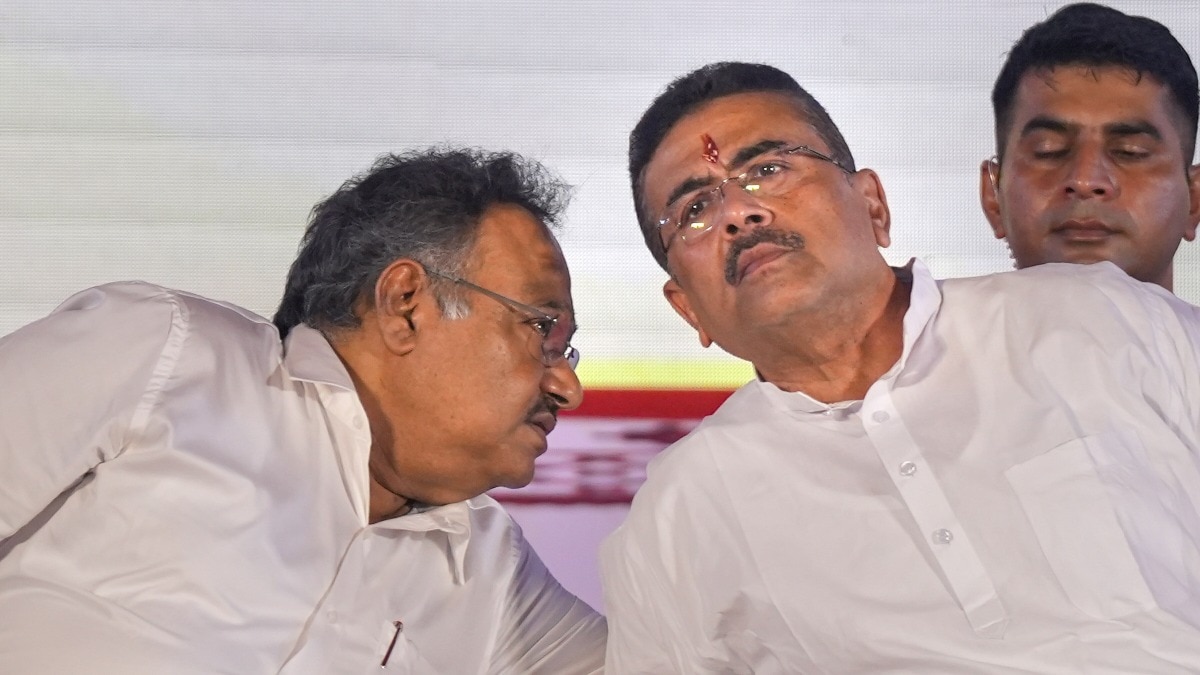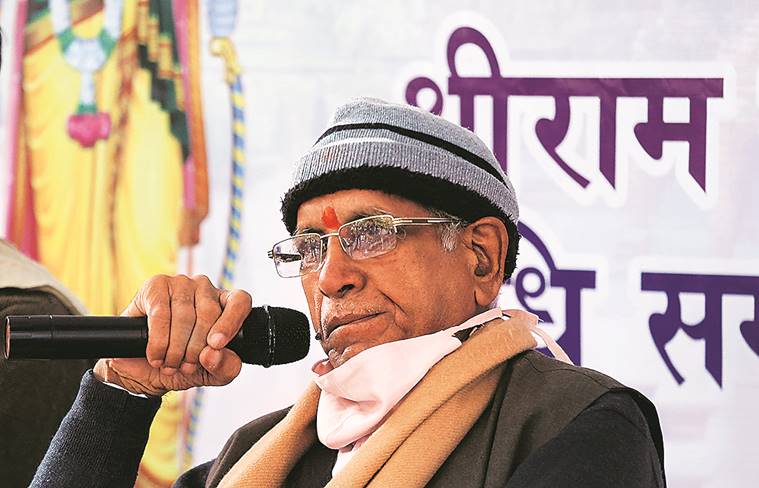
A mysterious 9-page letter detailing the Ram Janmabhoomi movement and internal Trust dynamics has surfaced in Ayodhya, fueling speculation about Champat Rai's return and tensions with Nripendra Misra.
- The Ram Mandir Trust is set to appoint its first CEO during the September 3 meeting.
- A 9-page letter has triggered speculation regarding Champat Rai’s potential return to the Trust.
- Chairman Nripendra Misra has denied knowledge of the letter and dismissed allegations of internal conflict.
- The SIT probe into the donation theft case has reportedly not directly implicated Champat Rai.
The political and administrative atmosphere in Ayodhya has reached a boiling point ahead of the Ram Mandir Trust's crucial meeting on September 3. A detailed 9-page letter, which chronicles the history of the Ram Janmabhoomi movement and the subsequent temple construction, has emerged, creating a significant stir within the organization and the local community.
The Buzz of Champat Rai’s Return
Speculation is mounting that the letter may have been authored by Champat Rai, who stepped down as General Secretary following a controversy involving alleged donation theft. While the Special Investigation Team (SIT) appointed by the Uttar Pradesh government has not directly blamed him, Rai’s active presence in Ayodhya—meeting with seers and sadhus—suggests he is positioning himself for a comeback. Supporters argue that his silence was merely a strategic pause until the SIT report was submitted.
The timing of this letter, coinciding with the search for a new CEO, suggests a calculated move to influence the Trust's leadership structure.
Allegations Against Nripendra Misra
The letter takes a critical stance on Nripendra Misra, the Chairman of the Temple Construction Committee. While acknowledging his leadership through the COVID-19 pandemic, the document alleges that Misra exercised absolute authority and brought in 'individuals of interest' to the committee. It also mentions that key decisions, including the selection of Larsen & Toubro (L&T) for construction, were heavily influenced by him.
Why This Matters
BozokMedia analysis shows that the Ram Mandir Trust is at a pivotal transition point. Moving from a movement-led organization to a formal administrative entity requires high levels of transparency. The ongoing donation theft investigation, which has already seen eight arrests, underscores the urgent need for a professionalized management structure, making the selection of the new CEO a high-stakes decision.
Historical Background
The construction of the Ram Temple in Ayodhya is the culmination of a decades-long legal and social struggle. Following the Supreme Court's landmark verdict, the formation of the Trust marked the beginning of a new era for the site, transitioning from a site of contention to a center of global religious significance.
Frequently Asked Questions
1. What is the purpose of the September 3 meeting?
The meeting is primarily intended to select and appoint the first Chief Executive Officer (CEO) of the Ram Mandir Trust.
2. Has Nripendra Misra responded to the allegations?
Yes, Misra has dismissed the claims as mere imagination and attempts to create a false impression of internal discord within the Trust.