The BJP has convened a high-stakes organizational review meeting to strategize for upcoming elections in Uttar Pradesh, Uttarakhand, and Punjab, with a special focus on Gen Z outreach and strengthening RSS ties.
- BJP President Nitin Gadkari is leading an organizational review to prepare for key state elections.
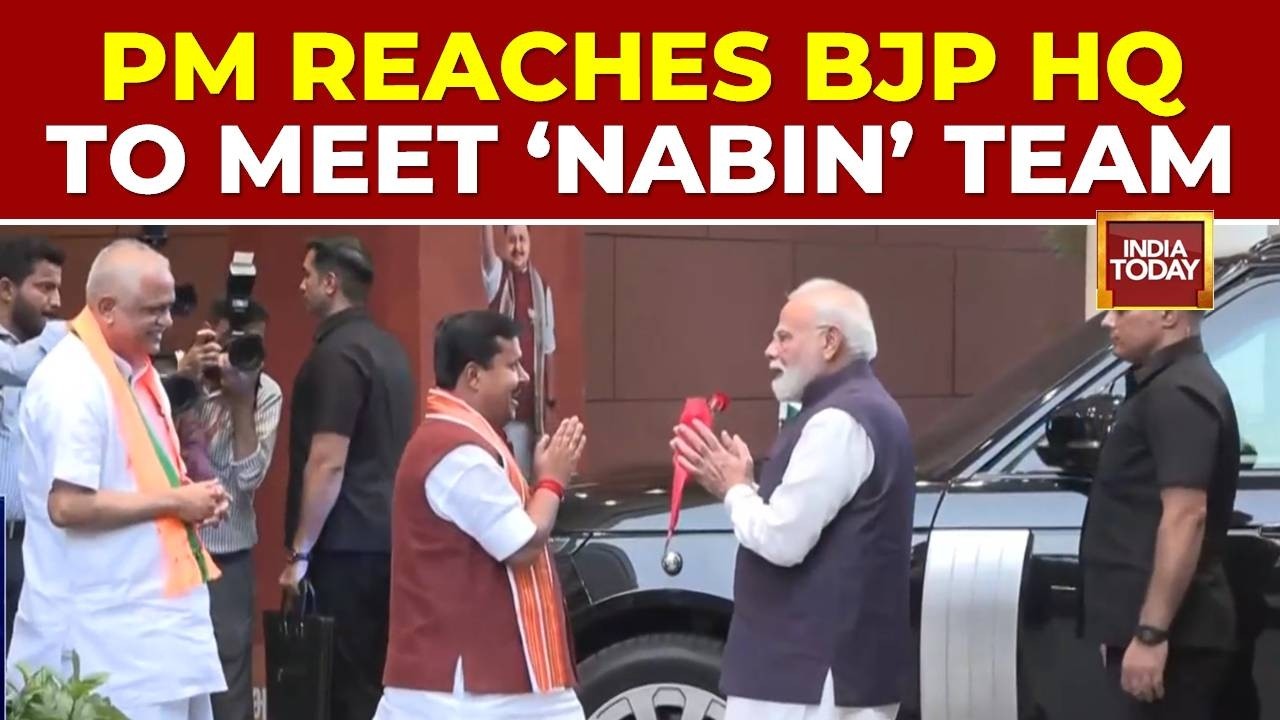
- PM Modi emphasized Gen Z outreach and the 'Vande Mataram' resolution during meetings with the new team.
- Strategic focus areas include Uttar Pradesh, Uttarakhand, and Punjab.
- Emphasis on bridging gaps between old and new members and enhancing RSS coordination.
In a decisive move to solidify its electoral dominance, the Bharatiya Janata Party (BJP) has initiated a series of high-level organizational review meetings at its headquarters extension. Chaired by BJP President Nitin Gadkari, the sessions brought together state presidents, organizational general secretaries, and state incharges to dissect election preparedness for several critical states, including Uttar Pradesh, Uttarakhand, and Punjab.
The core objective of these deliberations is to expand the party's voter base beyond its traditional core supporters. By analyzing state-specific challenges, the leadership aims to frame tailored schemes and programs that resonate with local demographics, ensuring a comprehensive reach across diverse electoral landscapes.
Targeting the Next Generation: Gen Z and Vande Mataram
A pivotal element of the recent discussions, involving Prime Minister Narendra Modi and the new BJP team, was the strategic outreach to 'Gen Z'. Recognizing the shifting political landscape, the party is looking to align its messaging with the aspirations of younger voters. Furthermore, the integration of the 'Vande Mataram' resolution into the party's outreach program aims to reinforce nationalistic sentiments among the youth.
The BJP's dual focus on digital-age youth engagement and traditional ideological roots marks a sophisticated evolution in their political campaigning.
Why This Matters
BozokMedia analysis shows that this strategic pivot is designed to prevent voter stagnation. By bridging the gap between veteran party members and new recruits, and by strengthening the synergy with the RSS, the BJP is attempting to create a seamless organizational machine capable of handling complex multi-state elections simultaneously.
The emphasis on states like Uttar Pradesh is particularly significant given its role as a political bellwether. The party's ability to tailor its approach to the unique socio-political nuances of Punjab and Uttarakhand will likely determine its success in the upcoming cycles.
Historical Background
Historically, the BJP has relied on a robust grassroots network and a clear ideological identity. As political campaigning shifts toward hyper-local targeting and digital micro-influencing, the party's current focus on Gen Z and state-specific customization reflects its adaptation to modern democratic warfare.
Frequently Asked Questions
1. Which states are the primary focus of the BJP's upcoming strategy?
The party is primarily focusing on Uttar Pradesh, Uttarakhand, and Punjab.
2. How does the BJP plan to engage with younger voters?
Through dedicated 'Gen Z' outreach programs and incorporating themes like the 'Vande Mataram' resolution.