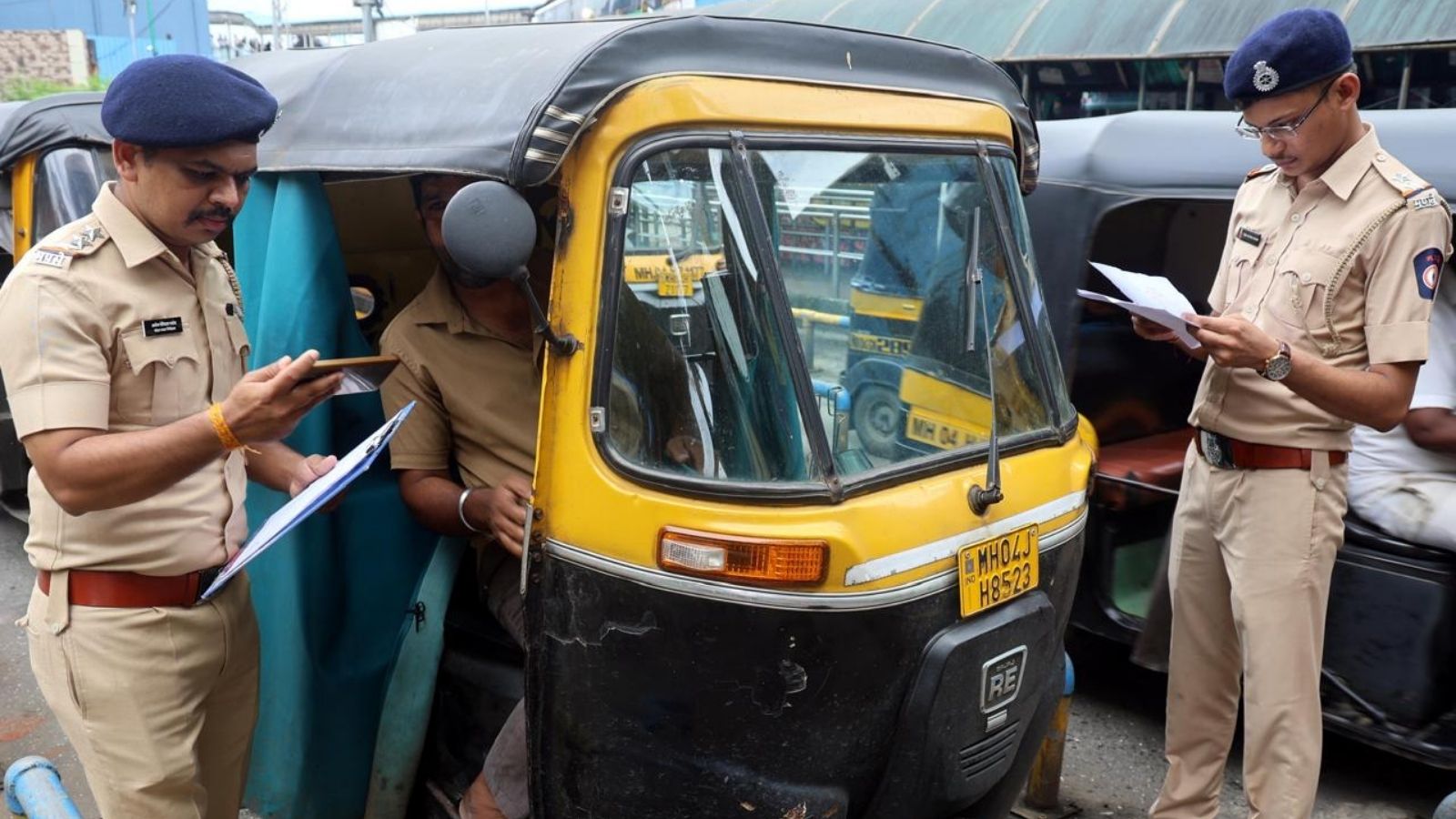
As the Maharashtra government enforces Marathi language requirements for auto and taxi drivers, Census data highlights a significant linguistic divide among primary Hindi and Urdu speakers.
- Maharashtra has made Marathi language proficiency mandatory for auto-rickshaw and taxi drivers.
- Census data shows only 42.15% of primary Hindi speakers and 29.11% of Urdu speakers know Marathi.
- Nearly 44% of primary Marathi speakers are bilingual in Hindi.
In a significant move to bolster regional linguistic identity, the Maharashtra government has stepped up efforts to make Marathi mandatory for auto-rickshaw and taxi drivers. However, recent analysis of Census data reveals a complex linguistic landscape that may complicate the enforcement of this policy.
The data indicates a substantial gap in bilingualism across different linguistic communities in the state. Among Maharashtra’s 14.48 million primary Hindi speakers, only 6.10 million (42.15%) reported knowing Marathi as an additional language. The disparity is even more pronounced among Urdu speakers, where only 29.11% of the 7.54 million primary speakers reported proficiency in Marathi.
Why This Matters
BozokMedia analysis shows that implementing language mandates in a highly diverse urban economy like Mumbai carries significant socio-economic implications. While the policy aims to preserve regional culture, it creates a potential barrier for migrant workers who form a backbone of the city's transport sector.
The gap between linguistic policy and actual linguistic capability poses a significant challenge for urban governance.
Conversely, the data highlights the high level of multilingualism among the Marathi-speaking population itself. Out of 77.46 million primary Marathi speakers, approximately 43.55% reported Hindi as a subsidiary language. This suggests a high degree of linguistic integration from the Marathi-speaking community toward other major languages in the state.
Linguistic Proficiency Comparison
| Primary Language Group | Know Marathi (%) |
|---|---|
| Hindi Speakers | 42.15% |
| Urdu Speakers | 29.11% |
| Gujarati Speakers | 30.79% |
| Telugu Speakers | 53.62% |
| Kannada Speakers | 57.20% |
| Tamil Speakers | 17.78% |
It is important to note that the current detailed linguistic data is derived from the 2011 Census of India. Since then, no updated, comparable census data regarding bilingualism and subsidiary languages has been released, making these figures the most reliable benchmark currently available for policymakers.
Frequently Asked Questions
1. Why is the government making Marathi mandatory for drivers?
The move is intended to ensure better communication between drivers and local passengers and to promote the regional language.
2. Is this new rule applicable to all commercial drivers?
The focus is primarily on auto-rickshaw and taxi drivers operating within the state.


