Union Minister Anupriya Patel has stated that implementing the 33% women's reservation requires an increase in the total number of Lok Sabha seats to avoid displacing current male MPs.
- Parliamentary seats must increase alongside the 33% women's quota implementation.
- Seat expansion should be aligned with national population growth.
- Political parties must overcome biases in fielding women candidates.
- Shift from 'women-centric' to 'women-led' development model.
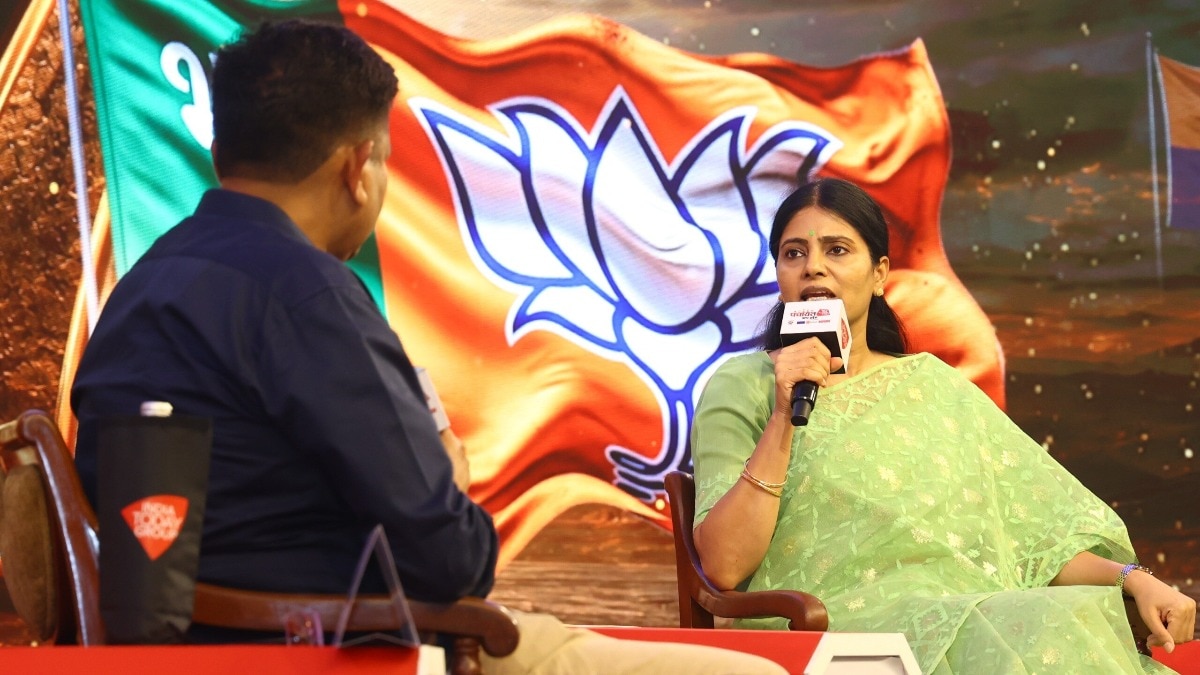
Union Minister Anupriya Patel has sparked a significant debate regarding the operationalization of the Women's Reservation Act. Speaking at the India Today Women Summit 2026, the Minister of State (MoS) emphasized that implementing the 33 percent reservation in Parliament must be accompanied by an increase in the total number of Lok Sabha seats.
Patel argued that the existing strength of 543 seats is insufficient to accommodate the mandated quota without displacing sitting male MPs. She noted that the prospect of losing constituencies has created apprehension among male legislators across various political parties, describing the sentiment as one where "their heart is pumping fast."
Why This Matters
BozokMedia analysis shows that the intersection of the Women's Reservation Bill and Delimitation is one of the most sensitive political flashpoints in contemporary India. The expansion of parliamentary seats is not merely a logistical necessity but a profound constitutional challenge that ties gender equity to demographic representation.
Implementing the Women’s Reservation Bill is not just about fulfilling a quota; it requires structural expansion to ensure true representation without political displacement.
Addressing the reluctance of political parties, Patel questioned why women are not being given more tickets. She pointed out that the perception of women not being "winning candidates" is a major hurdle that necessitates constitutional intervention. She urged parties to move beyond this bias to foster genuine political leadership among women.
Historical Background
The movement for women's political reservation in India has been a long-standing struggle. While the Nari Shakti Vandan Adhiniyam marks a historic milestone, its practical application remains contingent upon the completion of the next census and the subsequent delimitation exercise, making the timing of its implementation a subject of intense political scrutiny.
Furthermore, the Minister highlighted the government's transition from a "women-centric" approach to a "women-led development" model. She cited various grassroots initiatives like Lakhpati Didi, Mudra, and the Jal Jeevan Mission as pillars that are empowering women to lead in economic and social spheres.
Frequently Asked Questions
Question 1: Why does Anupriya Patel suggest increasing seats?
Answer: To ensure that the 33% reservation for women can be implemented without reducing the number of seats currently held by male MPs.
Question 2: What is 'Women-led Development'?
Answer: It is a governance model where women are not just beneficiaries of schemes but are active leaders in economic, social, and political decision-making.