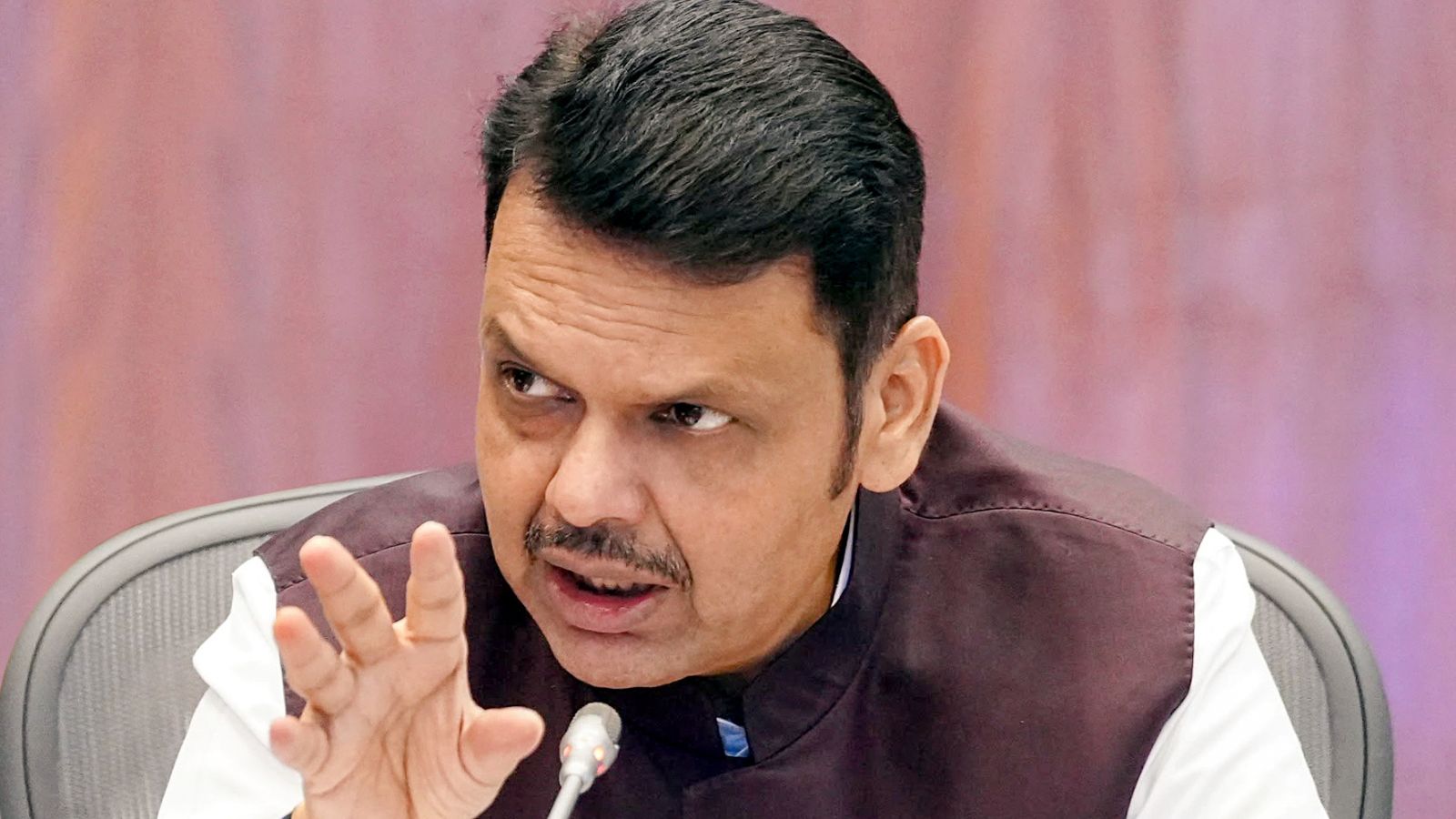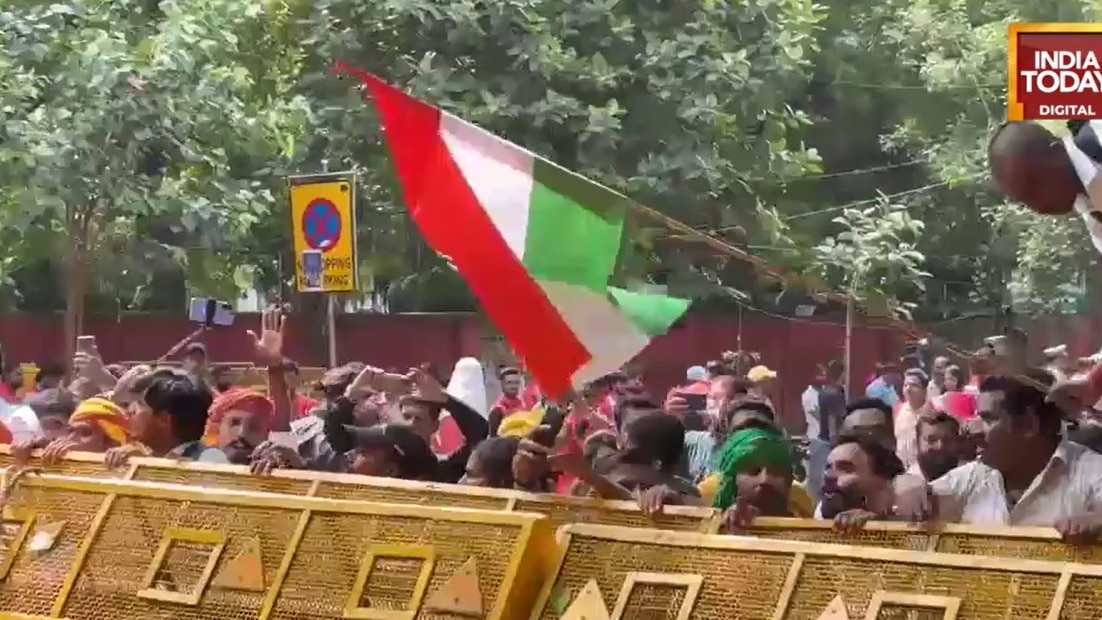
Demonstrators gathered at Delhi's Jantar Mantar to demand a shift from caste-based reservation to an economic-based system and called for the repeal of the SC/ST Act.
- Protesters demand reservation based on economic status rather than caste.
- Demands made for the repeal or amendment of the SC/ST (Prevention of Atrocities) Act.
- Large-scale demonstration held at Jantar Mantar, New Delhi.
- Warning issued of intensified agitation if demands are ignored.
A significant protest took place at Jantar Mantar in New Delhi on Friday, as various groups and youth activists voiced strong opposition to the current reservation framework in India. The core demand of the agitators is a systemic shift: moving away from caste-based quotas toward a system rooted in economic status.
The protesters, comprising members of various upper-caste groups and a large number of young citizens, raised slogans such as "Reservation for the poor, not for caste." They argued that the current system fails to address the plight of the economically disadvantaged who may not fall into specific caste categories but lack the financial means to compete in modern India.
Controversy Surrounding the SC/ST Act
Beyond the reservation debate, the protesters also focused their ire on the Scheduled Castes and the Scheduled Tribes (Prevention of Atrocities) Act. The demonstrators alleged that the legislation is frequently misused to target individuals for personal vendettas. They urged the central government to review the Act and implement safeguards to prevent its misuse while maintaining its original intent of protecting vulnerable communities.
The tension between identity-based affirmative action and class-based welfare is reaching a boiling point in Indian political discourse.
Why This Matters
BozokMedia analysis shows that this protest reflects a growing sentiment among certain demographics that the current social justice model requires modernization. As the debate over 'merit vs. quota' continues to polarize the nation, the demand for economic-based reservation could force a significant policy shift in upcoming legislative sessions or election cycles.
The Delhi Police maintained a heavy presence at the site, deploying barricades and significant manpower to ensure that the demonstration remained peaceful. While the protest concluded without major incidents, the organizers have issued a stern warning that the movement will escalate into a larger, more widespread agitation if the government fails to respond to their grievances.
Frequently Asked Questions
1. What is the primary goal of the Jantar Mantar protesters?
Their primary goal is to replace caste-based reservation with an economic-based quota system and to amend the SC/ST Act.
2. How did the authorities respond to the protest?
The Delhi Police deployed extensive security and barricades to ensure the protest remained peaceful and orderly.