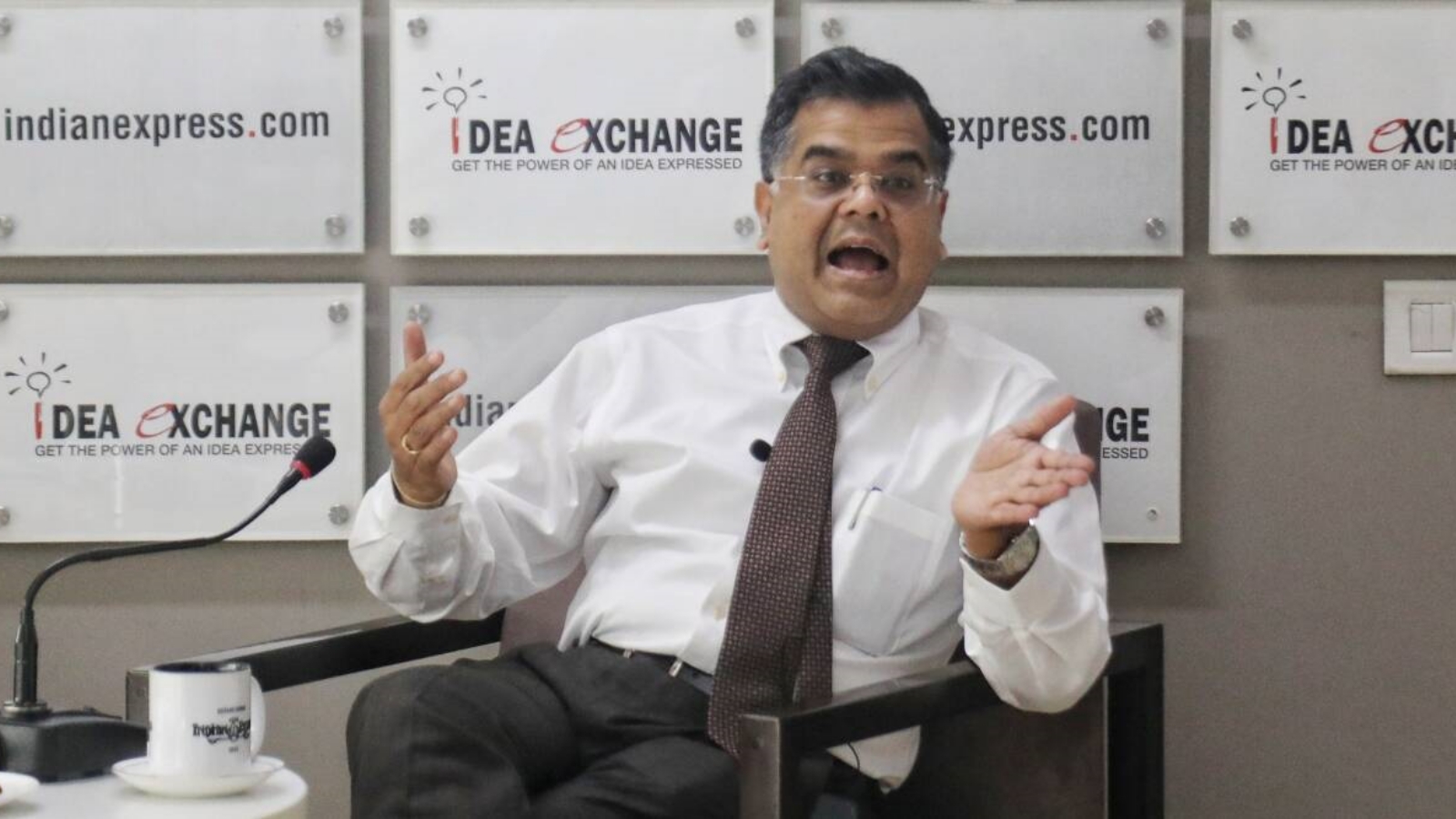
During the 'Chhatron Ki Goonj' event in Pune, Rahul Gandhi criticized the restrictive views on women found in the Manusmriti, advocating for their absolute independence and multifaceted identities.
- Rahul Gandhi addressed the 'Chhatron Ki Goonj' event in Pune.
- He highlighted how the Manusmriti restricts women's independence through various stages of life.
- Gandhi emphasized that India's true strength lies in the dreams and autonomy of its 700 million women.
- He called for recognizing women beyond the roles of daughter, wife, or mother.
In a powerful address at the 'Chhatron Ki Goonj' program held at the AISSMS College Ground in Pune, Leader of the Opposition in the Lok Sabha, Rahul Gandhi, sparked a significant debate on gender equality and social structures. Gandhi utilized the context of the Manusmriti to critique the historical subjugation of women.
Gandhi pointed out that according to the Manusmriti, a woman is never meant to be independent, being placed under the protection or control of a father in childhood, a husband in youth, and a son in later life. He argued that this framework denies women their fundamental agency and right to self-determination.
Why This Matters
BozokMedia analysis shows that Gandhi's remarks are a strategic attempt to position the Congress party as a champion of progressive social values. By targeting the Manusmriti, he is tapping into a deep-seated ideological divide in Indian society regarding tradition versus constitutional equality.
"A woman's identity cannot be confined to being a daughter, wife, or mother; she is a professional, an athlete, and an individual with her own dreams."
The Congress leader further observed that in male-dominated conversations, women are frequently reduced to their relationships with men. While he acknowledged the sanctity of being a mother or a wife, he insisted that these roles should not be the sole identifiers of a woman's existence in modern India.
Historical Background: The Manusmriti has long been a subject of intense academic and political scrutiny in India. While some view it as a cornerstone of ancient social law, reformers and social justice activists have frequently cited it as a tool for maintaining patriarchal and caste-based hierarchies.
Frequently Asked Questions
1. What was the main theme of Rahul Gandhi's speech in Pune?
The main theme was women's empowerment, their independence, and the need to move beyond traditional societal roles.
2. Why did Rahul Gandhi mention the Manusmriti?
He mentioned it to critique the historical and religious texts that advocate for the lack of autonomy for women.