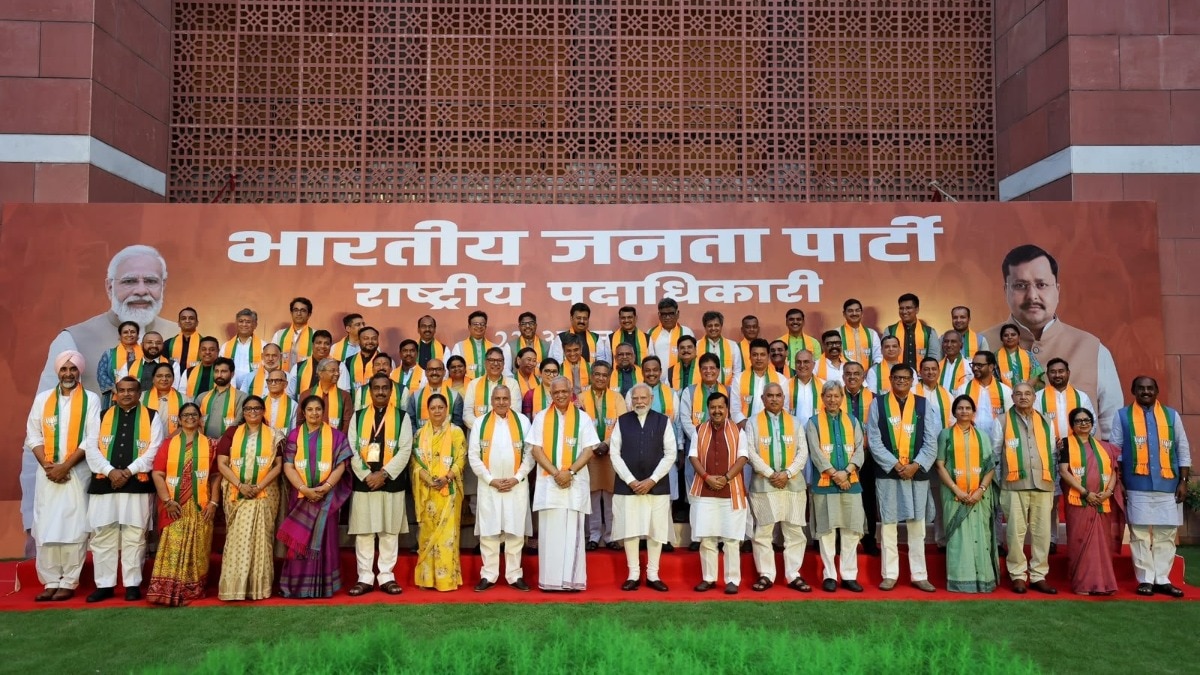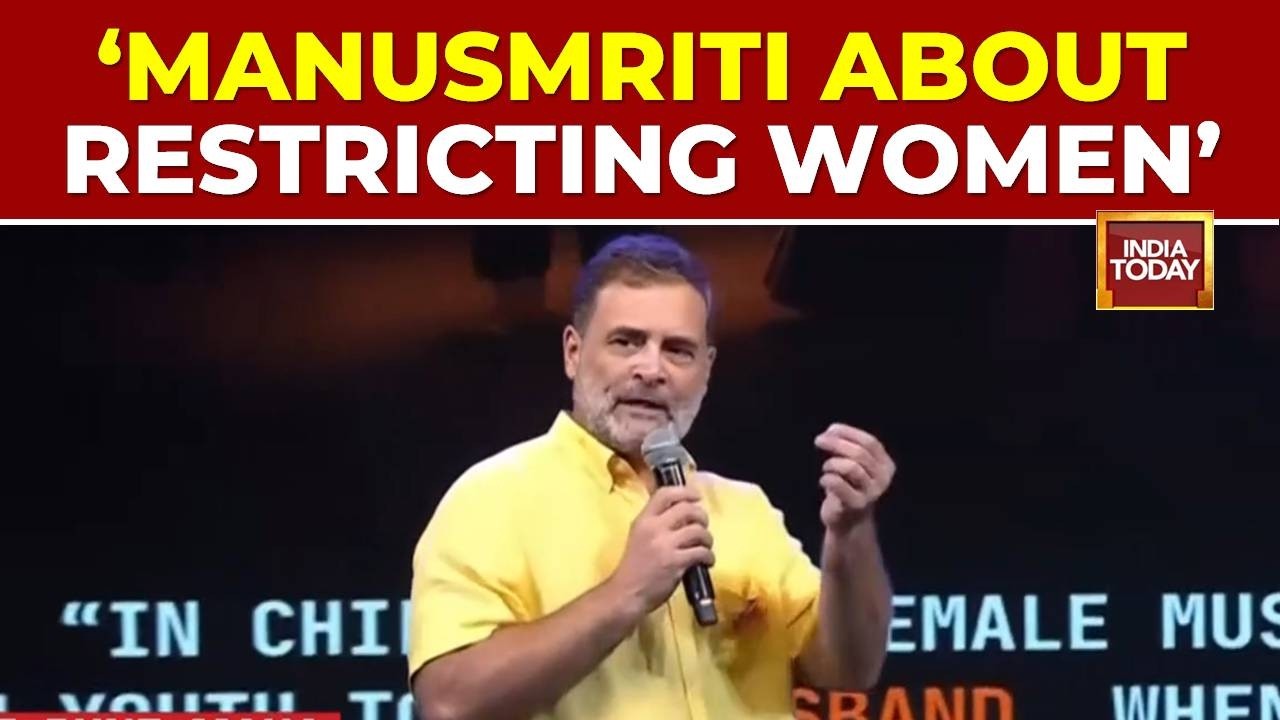
At the India Today Women's Summit 2026, Union Minister Anupriya Patel highlighted the massive disparity in female political representation and the reluctance of parties to nominate women leaders.
- India's female representation in Lok Sabha stands at 13.6%, significantly lower than the global average of 27.4%.
- Political parties show significant reluctance in nominating women candidates without established political lineages.
- The government is pivoting toward 'women-led development' through schemes like Lakhpati Didi and Mudra loans.
Speaking at the India Today Women's Summit 2026, Union Minister of State and President of Apna Dal (Soneylal), Anupriya Patel, delivered a profound critique of the socio-political landscape regarding gender equality. She addressed the subtle ways in which oppression is often disguised as concern, particularly regarding the systemic exclusion of women from core decision-making roles.
A central point of her address was the stark statistical reality of gender disparity in governance. Patel noted that while the global average for women in parliament is 27.4%, India's Lok Sabha currently holds only 13.6% female representation. She attributed this gap not just to a lack of interest, but to structural barriers within political parties that favor candidates with existing political pedigrees over grassroots female leaders.
Navigating the Reservation Debate
Addressing the Women's Reservation Bill, Patel touched upon the anxieties of male parliamentarians regarding potential seat losses in their constituencies. To resolve this tension, she advocated for a strategic expansion of total parliamentary seats. This approach would ensure that reservation quotas are met without diluting the representation of existing constituencies or failing to accommodate a growing electorate.
True political empowerment requires moving beyond tokenism toward genuine institutional inclusion.
BozokMedia analysis shows that the resistance to women in politics is often rooted in a perceived threat to traditional power dynamics. Patel’s call for expanding seats suggests a pragmatic approach to legislative reform that seeks to balance gender equity with political stability.
Economic Empowerment and Development
Beyond politics, the Minister detailed the government's multi-pronged strategy for economic autonomy. By leveraging initiatives such as Jan Dhan, Lakhpati Didi, and Mudra loans, the administration aims to transition from mere welfare to 'women-led development.' This shift is intended to turn women from passive beneficiaries into active drivers of the national economy.
Historical Background
The struggle for women's political agency in India has seen significant milestones, including the reservation of seats in local self-government bodies (Panchayats) via the 73rd and 74th Amendments. However, the leap from local governance to national legislative bodies has remained a significant hurdle, characterized by patriarchal gatekeeping within major political organizations.
Frequently Asked Questions
1. What is the current percentage of women in the Lok Sabha?
The current female representation in the Lok Sabha is approximately 13.6%.
2. How does Anupriya Patel's party support women?
Her party, Apna Dal (Soneylal), maintains an internal quota of 33% for women candidates.