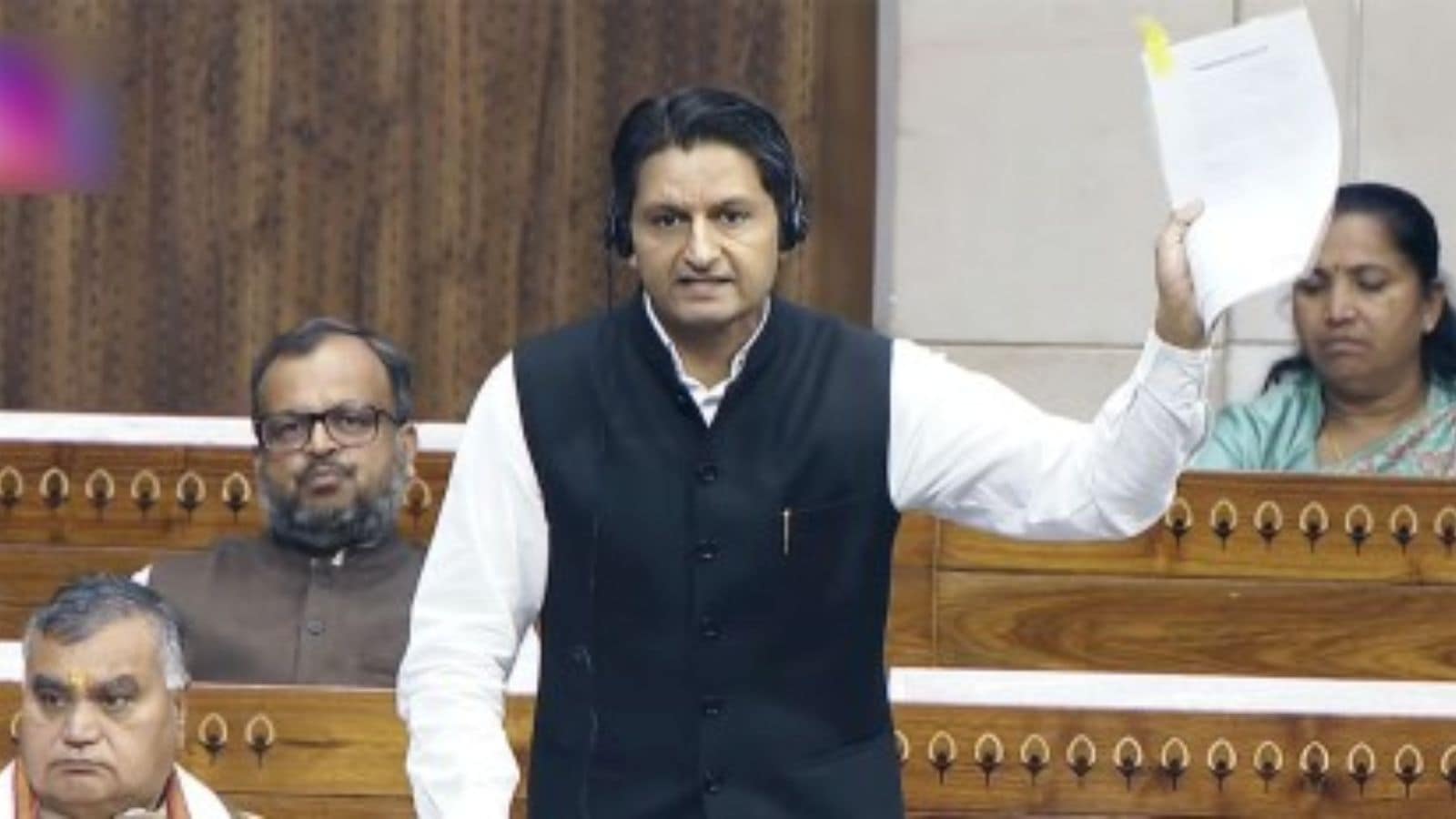
The Suvendu Adhikari-led BJP government in West Bengal has appointed party legislators and MPs as presidents of governing bodies in 247 state-aided colleges. Higher Education Minister Jagannath Chattopadhyay defended the move, citing educational qualifications.
- BJP has appointed its MLAs and MPs as presidents of governing bodies in 247 government-aided colleges across West Bengal.
- The move follows the dissolution of previous governing bodies previously led by Trinamool Congress members.
- Higher Education Minister Jagannath Chattopadhyay maintains the appointments meet educational criteria.
In a significant administrative shift following its ascent to power, the Bharatiya Janata Party (BJP) government in West Bengal has appointed several of its MLAs and MPs as presidents of governing bodies in more than 200 government-aided colleges. A formal notification from the West Bengal Higher Education Department confirmed that these appointments cover a total of 247 state-run institutions.
Political Reshuffle in Academic Institutions
Since taking office in early May, the Suvendu Adhikari administration has moved swiftly to dismantle the existing structures. The government had previously dissolved the governing bodies that were under the leadership of Trinamool Congress (TMC) representatives. The new list of appointees includes high-profile political figures such as Health Minister Sharadwat Mukherjee, who has been named president of the East Kolkata Girls College governing body.
Other notable appointments include Minister of State for Fire Services Kaushik Chowdhury at Raiganj B.Ed College, Union Minister of State and Balurghat MP Sukanta Majumdar at Balurghat College, and West Bengal Assembly Speaker Rathindra Bose at Coochbehar College. These appointments have sparked intense debate regarding the intersection of politics and pedagogy.
Why This Matters
BozokMedia analysis shows that while the government frames these appointments as administrative routine, they represent a strategic consolidation of political influence over educational infrastructure, which has historically been a flashpoint in Bengal politics.
The appointment of active politicians to academic governing bodies risks compromising the institutional autonomy essential for higher education.
Addressing the controversy, State Higher Education Minister Jagannath Chattopadhyay stated that there is nothing irregular about the decision. He clarified that local MLAs and MPs are ex officio members of these committees, and in this instance, only those holding a bachelor's degree have been elevated to the position of president. He emphasized that the government is committed to ensuring education does not become a "playground for politics."
Historical Background
The control of educational institutions by political entities is not new to West Bengal. This culture of political dominance was prevalent during the Left Front regime and continued through the tenure of the Trinamool Congress. While the BJP campaigned on a platform of making educational institutions "politics-free," critics argue that these recent appointments contradict that very promise.
Frequently Asked Questions
Question 1: What qualifications are required for these roles?
Answer: According to the Higher Education Minister, the appointees must possess at least a bachelor's degree.
Question 2: How many colleges are affected by this decision?
Answer: The official notification specifies that 247 state-run colleges are involved in these appointments.