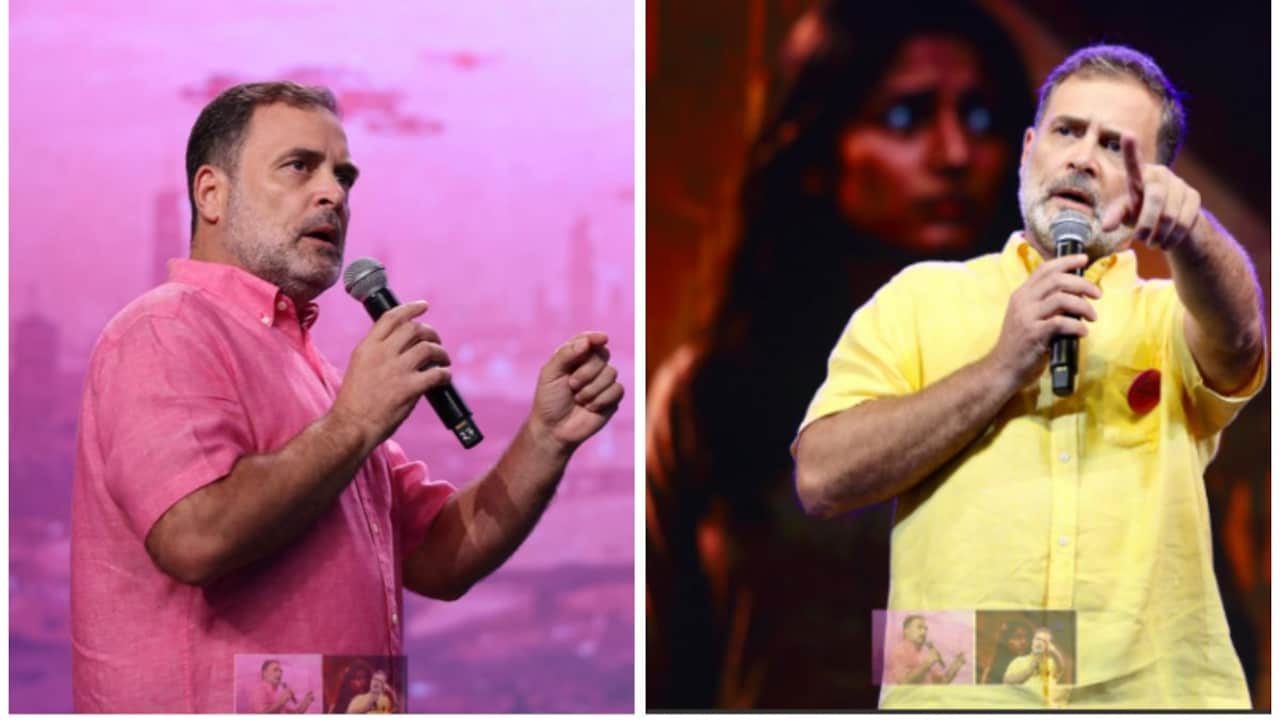
The BJP is recalibrating its political machinery for the 2027 elections, focusing heavily on Gen-Z voters through aggressive digital engagement and booth-level restructuring.
- BJP is pivoting its strategy to focus on Gen-Z voters for the upcoming 2027 elections.
- The plan includes leveraging Instagram Reels, influencers, and digital content to reach younger demographics.
- Critics have labeled the move as superficial, questioning the lack of engagement on core youth issues.
The Bharatiya Janata Party (BJP) has initiated a massive strategic overhaul aimed at the 2027 electoral cycle. Recognizing the shifting demographics of India, the party is moving beyond traditional rallies to target the Gen-Z demographic—a cohort that is digitally native and highly influential in shaping public opinion.
According to internal sources, the party's new blueprint involves a sophisticated blend of grassroots mobilization and high-tech digital warfare. This includes the deployment of 'digital warriors' at the booth level to ensure that the party's narrative reaches every smartphone screen in the constituency.
Why This Matters
BozokMedia analysis shows that the demographic dividend in India is heavily weighted toward younger voters. As political influence shifts from traditional media to social media algorithms, the ability to master 'viral content' becomes as crucial as managing ground-level logistics. Winning the Gen-Z vote is no longer an option; it is a mathematical necessity for long-term dominance.
Modern political warfare has moved from the streets to the screens, where attention is the most valuable currency.
However, this aggressive outreach has not gone without controversy. Critics and opposition leaders have raised concerns regarding the substance of this campaign. There are allegations that the party is prioritizing 'digital aesthetics' and short-form entertainment over meaningful dialogue regarding unemployment, education, and economic stability.
In states like Maharashtra, where youth participation is a decisive factor, the BJP is reportedly integrating social media influencers into its local organizational structure. This move aims to bridge the gap between formal political rhetoric and the informal language of the internet.
Historical Background
Historically, Indian elections were won through massive physical gatherings and localized patronage networks. However, the digital revolution in India has fundamentally altered this. Since 2014, the integration of data analytics and social media has become the cornerstone of Indian political strategy, a trend the BJP is now taking to its next evolutionary stage.
Frequently Asked Questions
Question 1: What is the core objective of BJP's Gen-Z outreach?
Answer: To capture the attention and loyalty of the younger demographic through digital-first communication strategies.
Question 2: Why is the opposition criticizing this strategy?
Answer: The opposition argues that the focus on digital trends distracts from addressing critical socio-economic issues facing the youth.