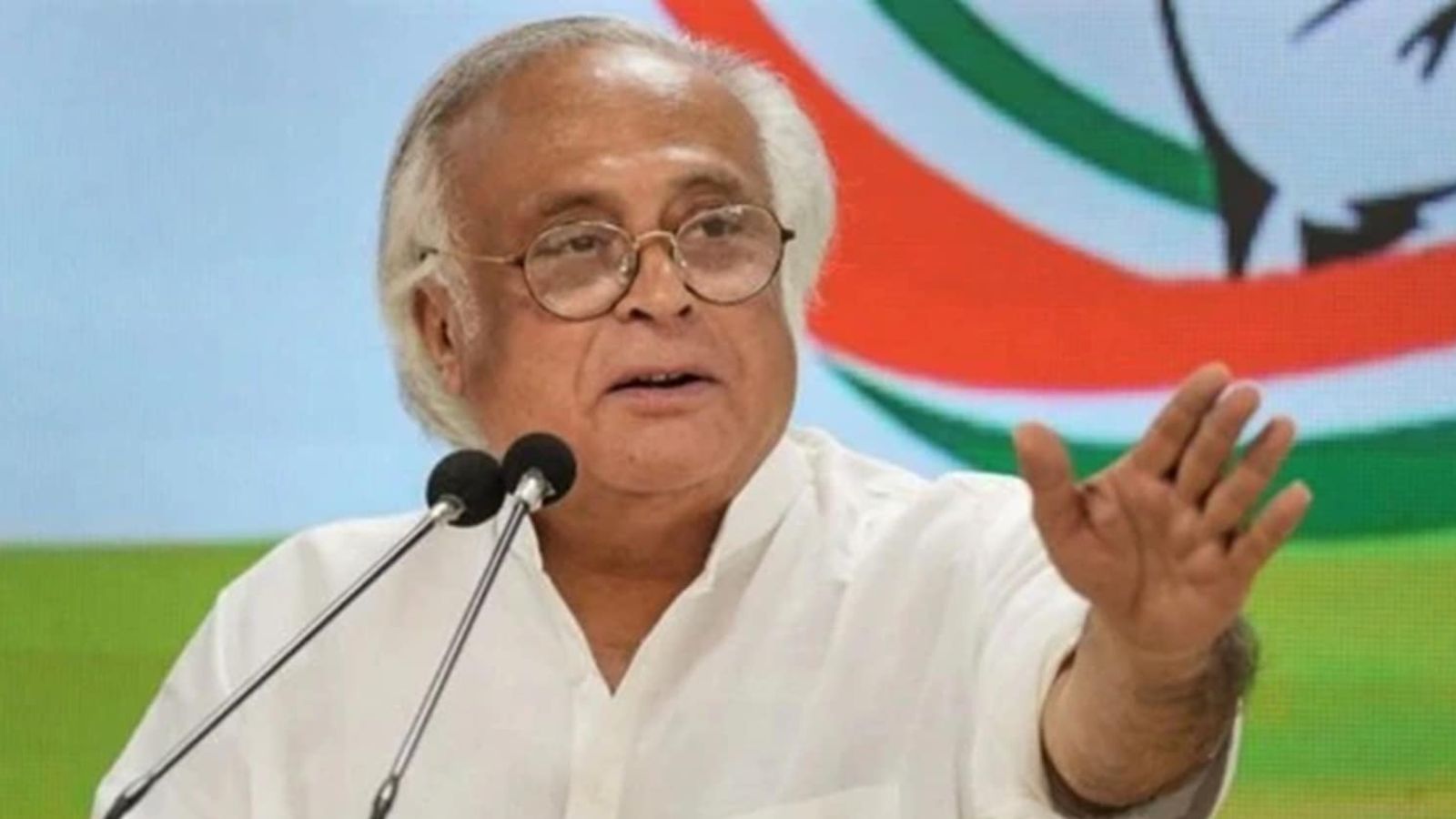
Senior Congress leader Jairam Ramesh has raised concerns over the delay in proroguing the Lok Sabha after its sine die adjournment. He suggested the government might be strategizing for a special session to pass a crucial Delimitation Bill.
- The Lok Sabha has remained adjourned sine die for 10 days without formal prorogation.
- Congress suspects the government is seeking a two-thirds majority for a Constitutional Amendment.
- The proposed Delimitation Bill could increase Lok Sabha strength to up to 850 seats.
- The government aims to increase state seats by 50% to maintain the 1971 census proportion.
Political tensions in New Delhi have escalated as the Congress party questioned the government's recent parliamentary maneuvers. Senior Congress leader Jairam Ramesh raised serious concerns on Sunday regarding the status of the Lok Sabha. He noted that while the House was adjourned sine die ten days ago, the formal process of prorogation has yet to occur.
Ramesh's remarks pointed directly toward Union Home Minister Amit Shah, questioning whether the delay is a strategic move to secure a two-thirds majority. The Congress leader suggested that the government might be preparing to convene a special session to pass a twin-package of bills: one to advance women's reservation to 2029 and another regarding the Delimitation Bill, which could expand the Lok Sabha to 850 seats.
Why This Matters
BozokMedia analysis shows that the stakes of this legislative maneuvering are exceptionally high. A massive expansion of the Lok Sabha through delimitation could fundamentally alter the political landscape of India, potentially shifting the balance of power between different regional blocks and states.
The gap between adjournment and prorogation is typically brief; a ten-day hiatus invites scrutiny regarding the government's legislative intent.
Addressing the mechanics of the bill, the government has maintained that all states would see a 50% increase in seats. This measure is designed to ensure that the proportion of seats allocated based on the 1971 census remains unchanged, preserving the status quo for states that successfully implemented population control measures.
Historical Background
Inter-state delimitation in India has been frozen since the 1971 census to prevent states with lower fertility rates from losing political representation. The upcoming delimitation exercise is one of the most significant constitutional challenges since independence, as it seeks to align parliamentary seats with current demographic realities.
Frequently Asked Questions
1. What is the difference between adjournment and prorogation?
Adjournment suspends the sitting of the House, whereas prorogation terminates a session of Parliament entirely.
2. Why is the Delimitation Bill controversial?
It is controversial because changing seat allocations based on new census data could significantly impact the political weight of various states.