The Cockroach Janta Party (CJP) has warned the Central Government that its decision to pause agitation was based on 'good faith' and should not be perceived as weakness. The party is now reviewing a potential fresh nationwide movement.
- CJP warned the Centre that their 'good faith' in ending protests should not be mistaken for weakness.
- The party alleges the government has failed to formally communicate steps to fulfill previous commitments.
- A National Working Committee meeting on Monday will decide if a fresh nationwide agitation is necessary.
In a high-stakes statement issued in New Delhi on Saturday, the Cockroach Janta Party (CJP) issued a blunt warning to the Central Government, asserting that their decision to end the previous nationwide agitation was an act of 'good faith' rather than a sign of vulnerability. The party stated they stepped back because the government had given its word to the youth of the nation.
The CJP has scheduled a crucial meeting of its National Working Committee for this coming Monday. The objective of this meeting is to scrutinize the Centre's response regarding the commitments made on July 25, when the party withdrew its massive protest movement. According to the CJP, the government has yet to provide any formal documentation or roadmap regarding the implementation of these assurances.
Why This Matters
BozokMedia analysis shows that this standoff represents a critical juncture in student-state relations. The failure to address the legal repercussions for protesters and the compensation for families affected by the NEET-UG crisis could trigger a massive resurgence of civil unrest, potentially destabilizing regional political landscapes.
Any attempt to dilute or delay the government's commitments will be viewed as a betrayal of the country's youth.
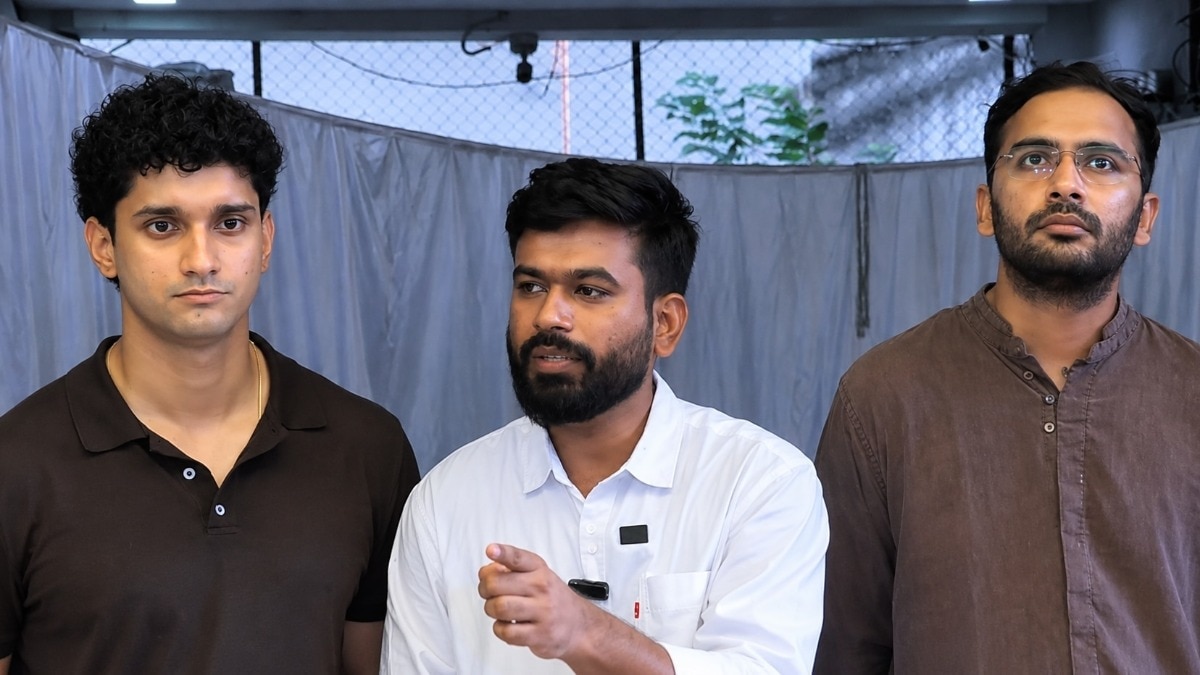
The party's leadership, including co-convener Saurav Das and legal affairs lead Ratna Singh, expressed deep concerns that the administration appeared to be 'cheating' the younger generation. They emphasized that any attempt to 'dilute, delay, reinterpret, or dishonour' the previous agreements would constitute 'vishwasghaat' (betrayal).
The core grievances of the CJP revolve around three primary pillars:
1. The withdrawal or quashing of FIRs registered against student protesters.
2. A formal guarantee against future punitive actions against peaceful demonstrators.
3. Comprehensive compensation for the families of NEET-UG candidates who lost their lives to suicide following the exam cancellation in May.
Adding to the tension, the CJP noted that despite the Supreme Court seeking a consolidated list of FIRs on August 18 to potentially exercise its powers under Article 142, the Union government has been hesitant to provide the requested data. This lack of transparency has further fueled the party's suspicion.
Historical Background: The agitation gained significant momentum following the NEET-UG paper leak controversy in May, which led to widespread student protests and the eventual resignation of Education Minister Dharmendra Pradhan. While a temporary truce was reached in July, the current impasse suggests that the underlying issues remain unresolved.
Frequently Asked Questions (FAQs)
Question 1: What are the main demands of the CJP?
Answer: The main demands include the quashing of FIRs against protesters, protection for future peaceful protests, and compensation for NEET-UG tragedy victims.
Question 2: When will the next decision be made?
Answer: The CJP's National Working Committee will meet on Monday to decide whether to launch a new nationwide agitation.