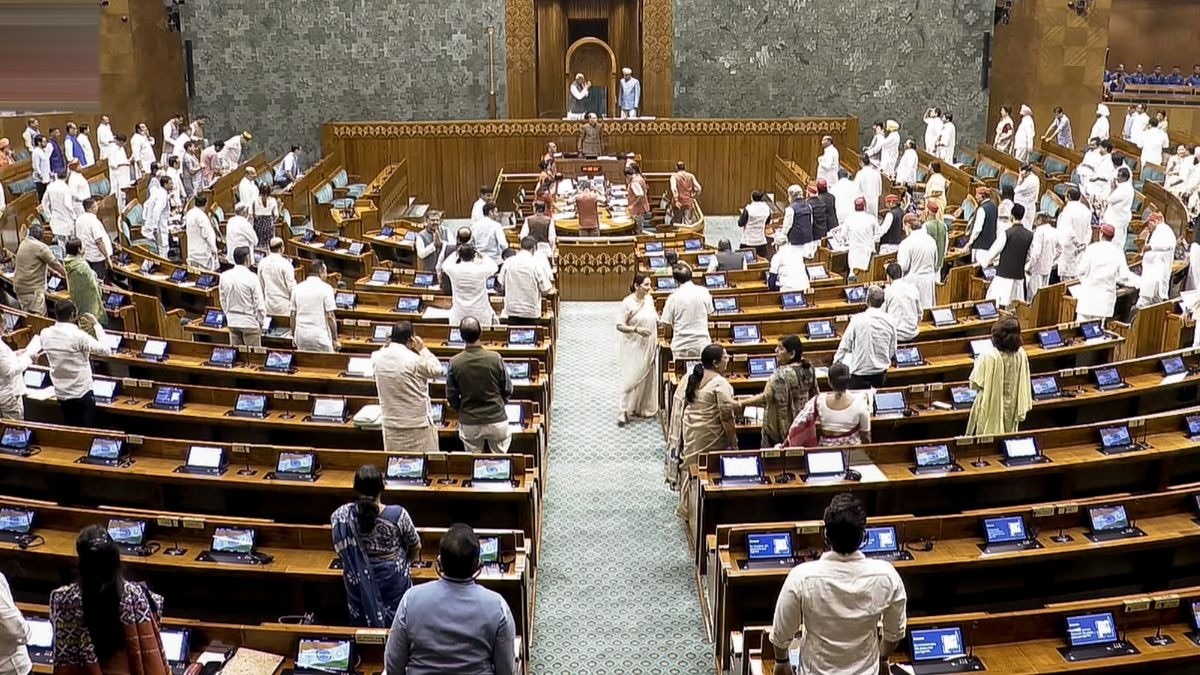
Kazakhstan heads to the polls for a pivotal parliamentary election that will shape the country's new unicameral legislature and President Tokayev's political future.
- Kazakhstan is conducting elections for 145 seats in the new 'Kurultai' legislature.
- The nation has transitioned from a bicameral to a unicameral (single-chamber) parliamentary system.
- Constitutional changes allow President Tokayev to potentially reset his term limits.
- The dominant Amanat party has dissolved into the new 'Adilet' (Justice) party.
Kazakhstan is embarking on a critical snap parliamentary election this week, an event widely expected to consolidate President Kassym-Jomart Tokayev's authority. This election follows significant constitutional shifts aimed at restructuring the nation's governance and asserting its role as a democratic force in Central Asia.
In a major overhaul, Kazakhstan has moved away from its traditional bicameral system—consisting of the Mazhilis and the Senate—to a new unicameral model known as the Kurultai. This new legislative body, comprising 145 seats, centralizes lawmaking processes before they are sent directly to the President. This structural change is seen as a cornerstone of Tokayev's 'New Kazakhstan' reform package.
Why This Matters
BozokMedia analysis shows that these elections are more than a routine democratic exercise; they represent a strategic pivot for a nation situated between the geopolitical giants of Russia and China. By streamlining the legislature, Tokayev is effectively consolidating power, even as he introduces reforms designed to distance the current administration from the controversial legacy of former President Nursultan Nazarbayev.
Political analyst Rustam Burnashev noted that while the election allows Tokayev to purge figures associated with his predecessor, major transformative reforms to the political system remain unlikely.
The political landscape has seen a massive realignment. The long-dominant Amanat party has officially dissolved itself into the newly formed Adilet (Justice) party. This move is strategically designed to shed the baggage of the Nazarbayev era. The Adilet party is campaigning on a platform of 'Just Kazakhstan,' promising improved economic stability and digitalization.
Historical Background: For nearly three decades, Kazakhstan was defined by the rule of Nursultan Nazarbayev (1991–2019). While he oversaw significant economic modernization, his tenure was frequently criticized for authoritarianism and corruption. President Tokayev's current mission is to navigate the transition from this old guard to a modernized, albeit highly centralized, political structure.
To ensure international legitimacy, the OSCE Parliamentary Assembly has deployed nearly 80 observers from approximately 30 countries to monitor the voting process and ensure adherence to democratic standards.
Frequently Asked Questions
Question 1: What is the minimum vote threshold for a party to enter parliament?
Answer: A political party must secure at least 5 percent of the total vote to gain representation in the Kurultai.
Question 2: How does the new system affect the President's term?
Answer: Under the new rules, presidents are limited to a single seven-year term, but the legislative reset allows Tokayev to potentially run for an additional term.