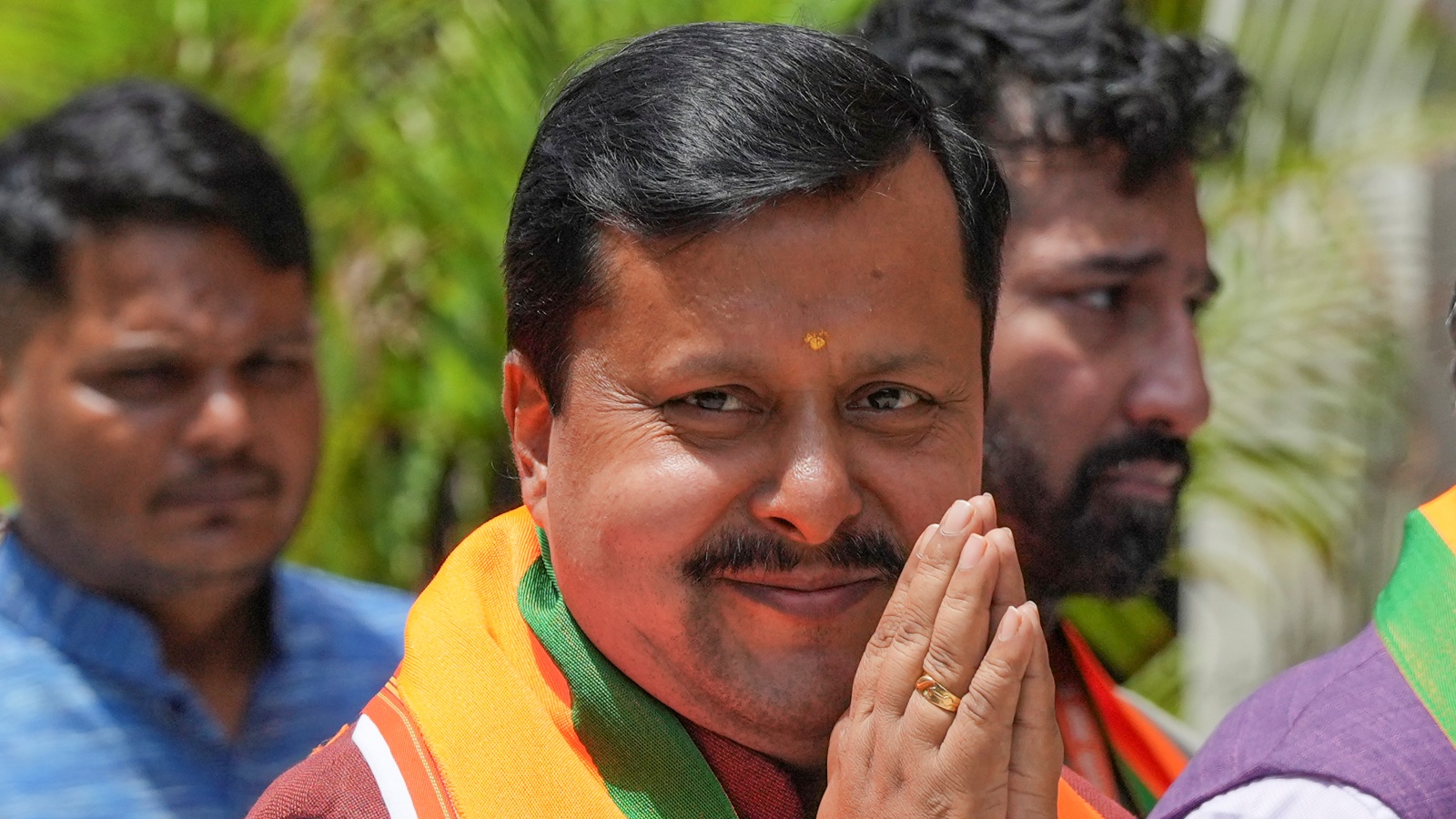
Following the 2024 Lok Sabha setback, the BJP has reshuffled its national leadership with a heavy emphasis on Uttar Pradesh faces. This strategic move aims to bridge the gap between the central command and CM Yogi Adityanath ahead of the 2027 Assembly polls.
- BJP has announced a new national team under Nitin Nabin with increased representation from Uttar Pradesh.
- The move follows a significant decline in BJP's UP seat tally and vote share during the 2024 Lok Sabha elections.
- Key leaders like Smriti Irani and Harish Dwivedi have been brought back to strengthen caste and youth outreach.
- The primary goal is to ensure synergy between the central unit and CM Yogi Adityanath for the 2027 UP elections.
In a decisive move to regain its dominance in Uttar Pradesh, the Bharatiya Janata Party (BJP) has overhauled its national organizational structure. The newly appointed team, led by National President Nitin Nabin, features a significant boost for leaders from UP. This restructuring is seen as a direct response to allegations by SP chief Akhilesh Yadav that the 'engines' of the BJP's double-engine government in the state were colliding.
The impetus for this change stems from the 2024 Lok Sabha election results, which were a wake-up call for the ruling party. In Uttar Pradesh, the BJP's seat count plummeted from 62 to 33, and its vote share dropped from nearly 50% to 41.37%. Internal reports suggested that worker dissatisfaction and a disconnect between the central leadership and the state administration played a critical role in this decline.
Why This Matters
BozokMedia analysis shows that this is not merely a routine reshuffle but a strategic recalibration. By integrating leaders who faced electoral defeats in 2024, the BJP is attempting to turn setbacks into organizational strength, ensuring that those with ground-level experience are directly involved in the party's national roadmap.
The elevation of diverse UP leaders suggests that the BJP is prioritizing organizational synergy over individual dominance to secure the 2027 mandate.
The new team includes eight faces from Uttar Pradesh. Notably, the return of Smriti Irani to the national leadership is a tactical move to appeal to women and youth voters. Additionally, the appointment of Harish Dwivedi—a Brahmin leader with an ABVP background—is viewed as an attempt to consolidate the upper-caste vote bank, which has shown signs of simmering discontent.
Social engineering remains at the heart of this reorganization. By retaining leaders like Rekha Verma (OBC) and Tariq Mansoor (Pasmanda Muslim), the party is working to maintain its delicate balance among various communities. Furthermore, the inclusion of Sangeeta Yadav is a clear signal of the party's intent to penetrate the Yadav vote bank, traditionally a stronghold of the Samajwadi Party.
Frequently Asked Questions
1. What was the main reason for the BJP's poor performance in UP in 2024?
Key factors included a decline in vote share and perceived neglect among party workers, alongside coordination issues between state and central units.
2. Does this new team signal a change in CM Yogi Adityanath's role?
No, insiders suggest the appointments are meant to support the government's agenda and create a more cohesive environment for the 2027 elections.