House Speaker Mike Johnson asserts that the Republican Party can 'absolutely' win the upcoming midterm elections despite the ongoing tensions and economic impact of the Iran war.
- Speaker Mike Johnson expressed full confidence in Republican dominance in the November midterms.
- The ongoing conflict with Iran has contributed to rising fuel prices and inflation in the US.
- The Trump administration justifies military action as a necessary step to prevent Iranian nuclearization.
- Global energy security remains at risk due to threats surrounding the Strait of Hormuz.
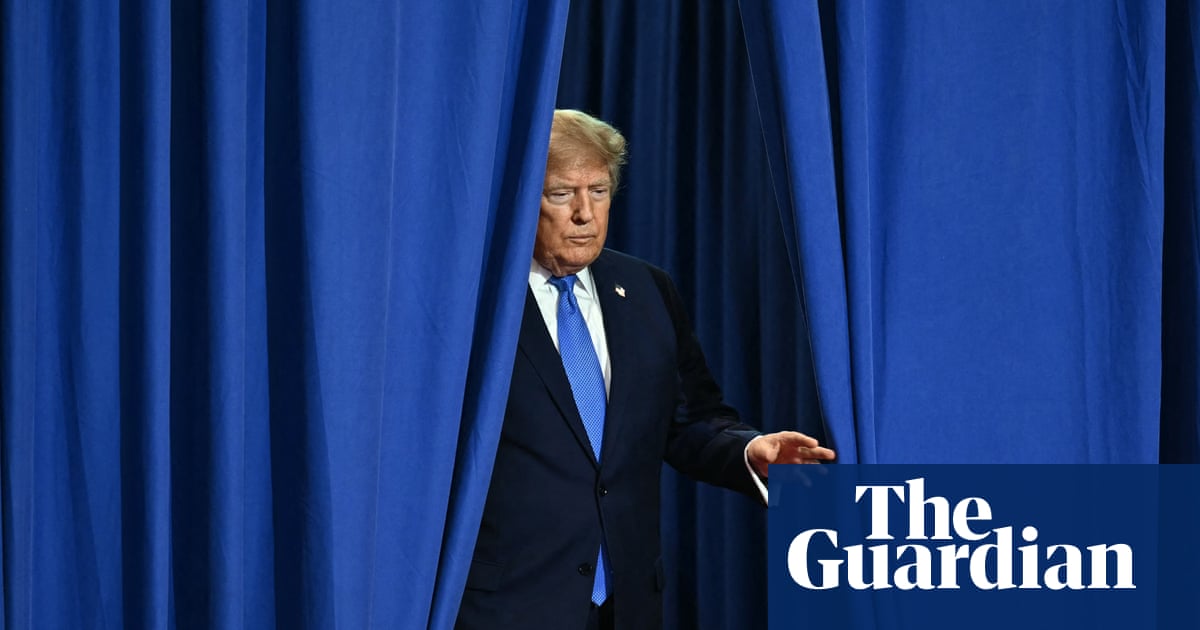
In a significant political assertion, US House Speaker Mike Johnson has declared that the Republican Party is well-positioned to retain control of the House of Representatives in the upcoming midterm elections. Speaking to Fox News, Johnson addressed concerns regarding how the ongoing conflict with Iran might influence voter behavior, stating that the party can "absolutely" win despite the geopolitical instability.
While projecting strength, Johnson did concede that resolving the conflict before the November 3rd vote would be "helpful" for the Republican campaign. This admission comes at a time when the American public is grappling with the economic fallout of the war, characterized by surging oil prices and a ballooning national debt.
Why This Matters
BozokMedia analysis shows that the intersection of foreign policy and domestic economics is the primary battlefield for the 2026 midterms. With gasoline prices in the US climbing above $4 per gallon, the administration's military strategy is being directly weighed against the wallets of American voters, creating a high-stakes environment for the Republican party.
The ability of the GOP to decouple military necessity from economic hardship will define their electoral success.
The conflict escalated significantly following attacks by US and Israeli forces on February 28, which resulted in the death of Supreme Leader Ali Khamenei. The geopolitical repercussions were immediate, with Iran responding through asymmetric warfare and threats to the Strait of Hormuz, a vital artery for the global energy supply. This has forced the US to explore alternative energy corridors to mitigate the impact of potential blockades.
The Trump administration maintains that the intervention was a preemptive strike to ensure Iran does not acquire nuclear capabilities. However, this narrative faces internal scrutiny, as intelligence reports have previously suggested a lack of definitive evidence regarding an active Iranian nuclear weapons program. This discrepancy remains a central point of contention in Congressional debates.
| Factor | Pre-War Status | Current Status (Post-Conflict) |
|---|---|---|
| US Petrol Price (Avg) | <$3.00/gallon | >$4.00/gallon |
| Geopolitical Climate | Tense | Active Conflict/Sanctions |
| Iran Leadership | Stable | High-level leadership casualties |
Frequently Asked Questions
1. What is the Republican stance on the Iran war?
Republicans, led by figures like Mike Johnson, argue that decisive action was necessary to neutralize Iran's status as a state sponsor of terrorism and prevent nuclear proliferation.
2. How has the war affected US inflation?
The conflict has caused volatility in global oil markets, leading to higher energy costs which contribute to overall inflationary pressures in the US economy.