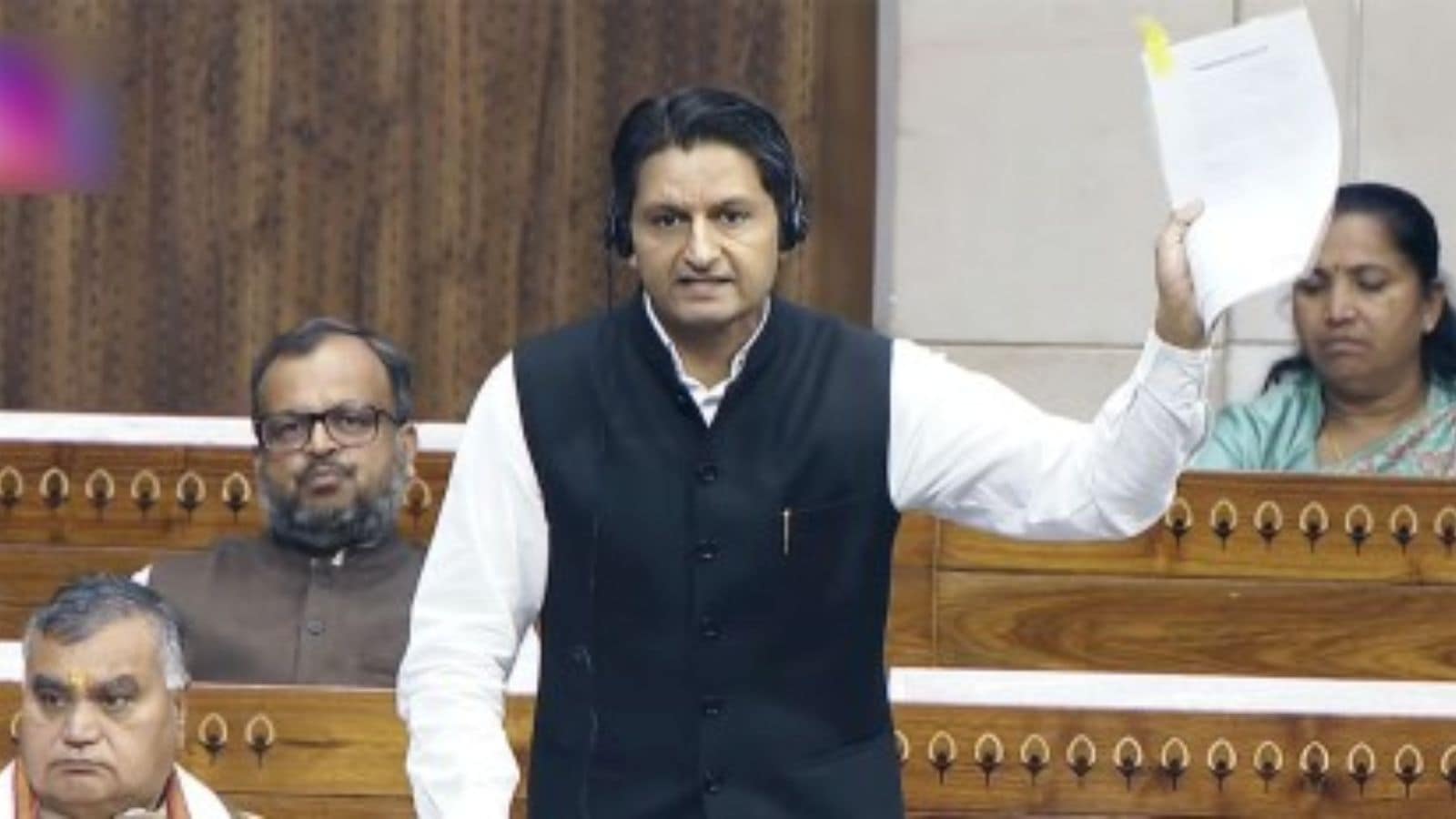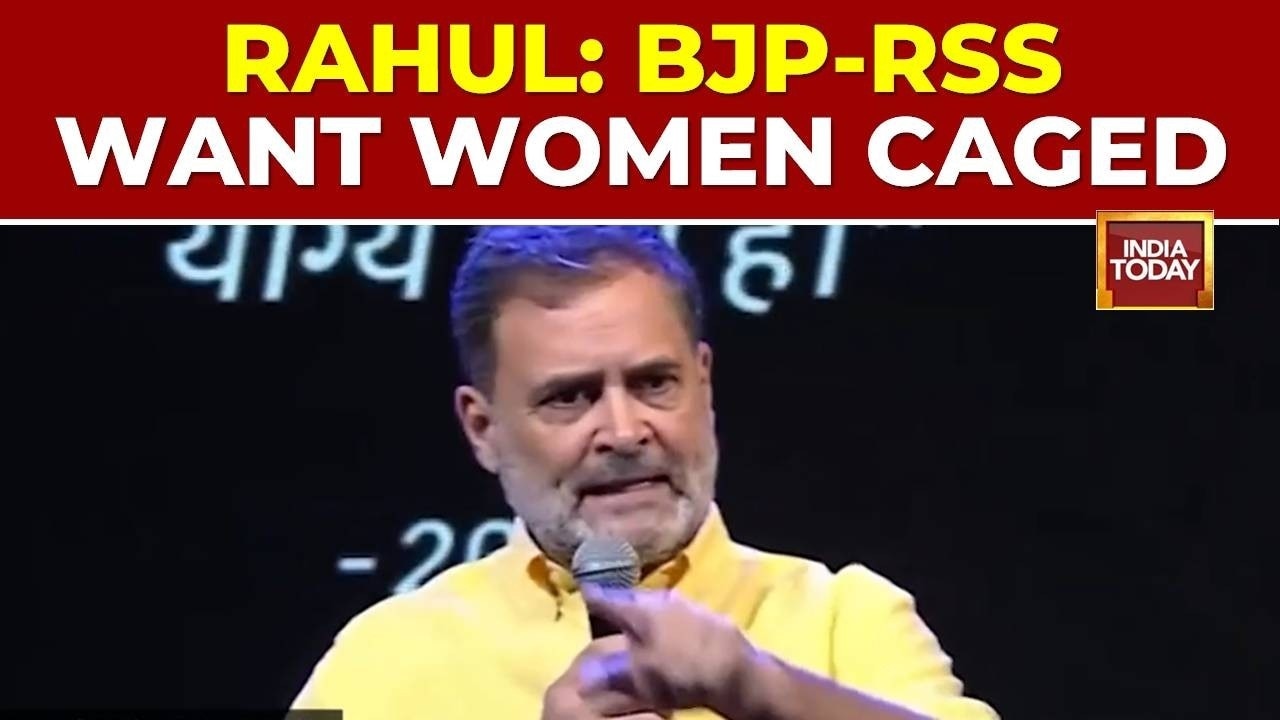
BJP leader Smriti Irani has escalated her attack on Rahul Gandhi, questioning Congress's stance on Vande Mataram stanzas and recent remarks on Manusmriti.
- Smriti Irani questioned the omission of Goddess Durga stanzas during Congress events.
- The BJP accused Rahul Gandhi of hypocrisy regarding women's empowerment and religious remarks.
- The controversy centers on the cultural and religious significance of Vande Mataram.
In a significant political escalation, Bharatiya Janata Party (BJP) leader Smriti Irani has launched a scathing counterattack against Rahul Gandhi. The confrontation stems from the intensifying 'Vande Mataram' controversy and recent remarks made by the Congress leader regarding the Manusmriti.
Irani specifically targeted the conduct of Independence Day celebrations at the Congress headquarters, noting that stanzas dedicated to Goddess Durga were allegedly muted. She challenged the Congress party's commitment to women's empowerment, asking why they would skip verses that praise the feminine divine if their support for women was genuine. The BJP maintains that all six stanzas of Vande Mataram have been officially approved by Parliament.
Why This Matters
BozokMedia analysis shows that this clash highlights the growing ideological rift in Indian politics, where national symbols and religious sentiments are frequently at the center of electoral narratives. Such disputes often shape the perception of a party's nationalistic credentials among the electorate.
The weaponization of cultural symbols serves as a potent tool for defining political identity in modern India.
Furthermore, Irani addressed Rahul Gandhi's 'Chhatro Ki Goonj' event, accusing him of selective religious invocation. She alleged that while he attempts to use religious sentiment to connect with audiences, he simultaneously ignores the core religious stanzas that define the nation's cultural fabric.
Historical Background
Vande Mataram, composed by Bankim Chandra Chattopadhyay, served as a rallying cry during the Indian independence movement. While it is the National Song of India, the specific verses and their religious connotations have remained a point of intense debate between secularists and proponents of cultural nationalism for decades.
Frequently Asked Questions
1. What is the core of the Vande Mataram controversy?
The controversy involves the alleged omission of certain religious stanzas by Congress leaders during national celebrations.
2. How has Smriti Irani linked this to women's empowerment?
She argues that skipping stanzas praising Goddess Durga contradicts the Congress party's claims of supporting women.