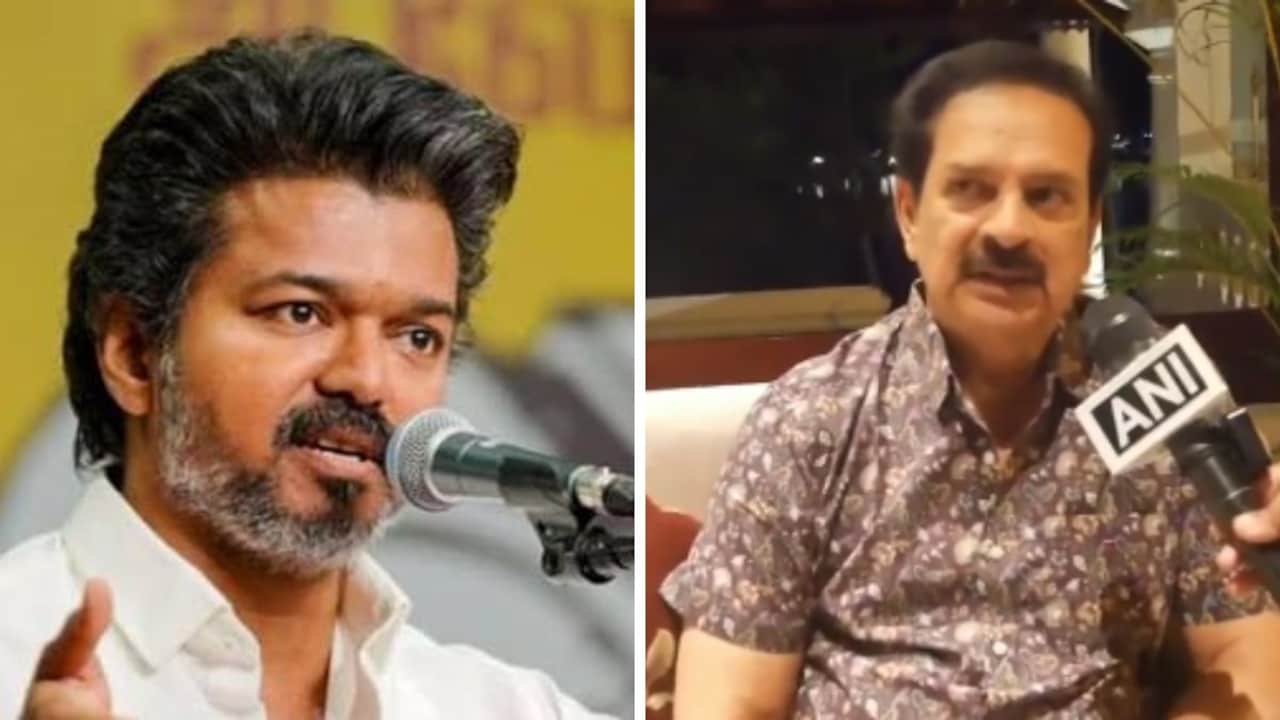
In the Karnataka Legislative Assembly, the BJP alleged that the Congress government gave preferential treatment to the Adani Group. Opposition leader R. Ashok claimed the new amendment allowing 5% of park land to be sold benefits the 17.1‑km twin‑tunnel project linked to Adani.
- BJP claims the state rolled out a red carpet for Adani
- Karnataka law now permits sale of up to 5% of park land
- Adani Enterprises emerged as the lowest bidder for the twin‑tunnel project
R. Ashok, the Leader of the Opposition, argued that the Karnataka Government Parks (Preservation) (Amendment) Bill, 2026 effectively hands over valuable green space to private interests, specifically the Adani Group. The amendment allows up to 5% of park and garden land to be sold, leased, gifted, exchanged, or mortgaged for public‑utility projects.
The BJP framed the move as "laying a red carpet for Adani," while Delhi‑based Congress leaders have publicly labeled the tycoon a "BJP agent." This apparent double‑standard has intensified partisan friction across state and national lines.
Ashok contended that the amendment is tailored to facilitate the 17.1‑km Bengaluru North‑South Twin Tunnel Road, connecting Hebbal with the Central Silk Board Junction. He further alleged that the Adani Group is slated to execute the project, turning a "garden city" into a "garbage city" due to rising pollution.
Adani Enterprises submitted the lowest bid—₹22,267 crore—for the tunnel, surpassing the state’s original cost estimate and sparking controversy over both pricing and the government's corporate ties. A recent meeting between Chief Minister D.K. Shivakumar and Gautam Adani at the latter’s Sadashivanagar residence added fuel to the BJP’s criticism.
Nationally, Rahul Gandhi has repeatedly targeted the Adani Group, accusing it of close links with Prime Minister Narendra Modi. The Karnataka dispute therefore reverberates beyond state politics, feeding into a broader narrative of corporate influence on public policy.
Why This Matters
BozokMedia analysis shows that the controversy highlights the growing entanglement of corporate interests with regional infrastructure policies, potentially reshaping voter sentiment ahead of the next state elections.
"When governments monetize public green spaces for private developers, democratic accountability erodes," notes political analyst Dr. Priya Menon.
Frequently Asked Questions
Q1: Can the twin‑tunnel project be halted?
A: Opposition parties argue that sustained public protests and a successful court challenge could suspend or cancel the project.
Q2: Will this amendment affect other infrastructure initiatives?
A: Experts warn that similar land‑release provisions could impact future projects such as airport expansions and water‑conservation schemes.