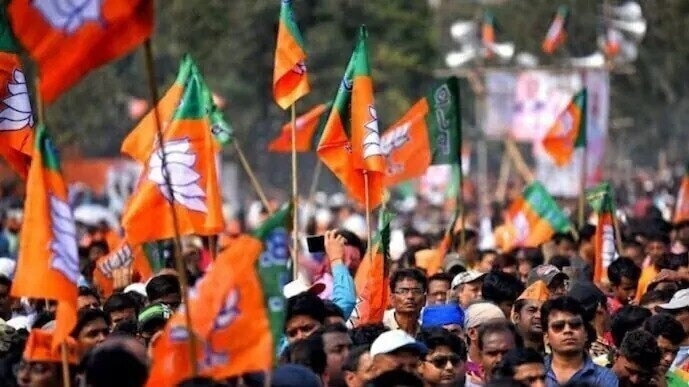
National General Secretary (Organisation) B. L. Santosh declared that the BJP will contest every one of Punjab’s 117 assembly seats in the 2027 elections, signalling a full‑scale bid for power in the state.
- B. L. Santosh announced BJP will contest all 117 seats
- Two‑day organisational tour launched across Punjab
- Focus on strengthening booth‑level party network
Party Strategy
B. L. Santosh, the BJP’s National General Secretary (Organisation), told attendees in Patiala and Bathinda that the party will field candidates in every constituency and aims to form the government after the 2027 Punjab Assembly elections. The move follows the collapse of earlier coalition talks with regional parties.
Ground Campaign Preparations
Santosh emphasized the need to fortify the party’s grassroots machinery. He outlined a plan to mobilise local workers, youth volunteers and women’s cells to communicate Prime Minister Narendra Modi’s policies to Punjabi voters.
Historical Background
The BJP’s foothold in Punjab has been uneven since the late 1990s. After a brief stint in power in 1998, the party spent most of the last two decades in opposition to the Congress‑SAD alliance. Contesting all seats marks a strategic shift aimed at overcoming past electoral weaknesses.
Why This Matters
BozokMedia analysis shows that a full‑scale BJP contest could reshape Punjab’s political landscape, potentially eroding the entrenched Congress‑SAD stronghold and influencing the broader national electoral calculus.
"A clean sweep in Punjab would significantly boost the Modi government’s mandate at the centre," said political analyst Dr. Ajay Singh.
Frequently Asked Questions
Q1: Has the BJP ruled out any post‑election alliances?
A: While the current stance is to contest all seats independently, strategic alliances may still be explored after the results.
Q2: What impact could this have on Punjab’s political dynamics?
A: The move could pressure regional rivals, force a realignment of voter bases, and potentially shift the balance of power in the state.