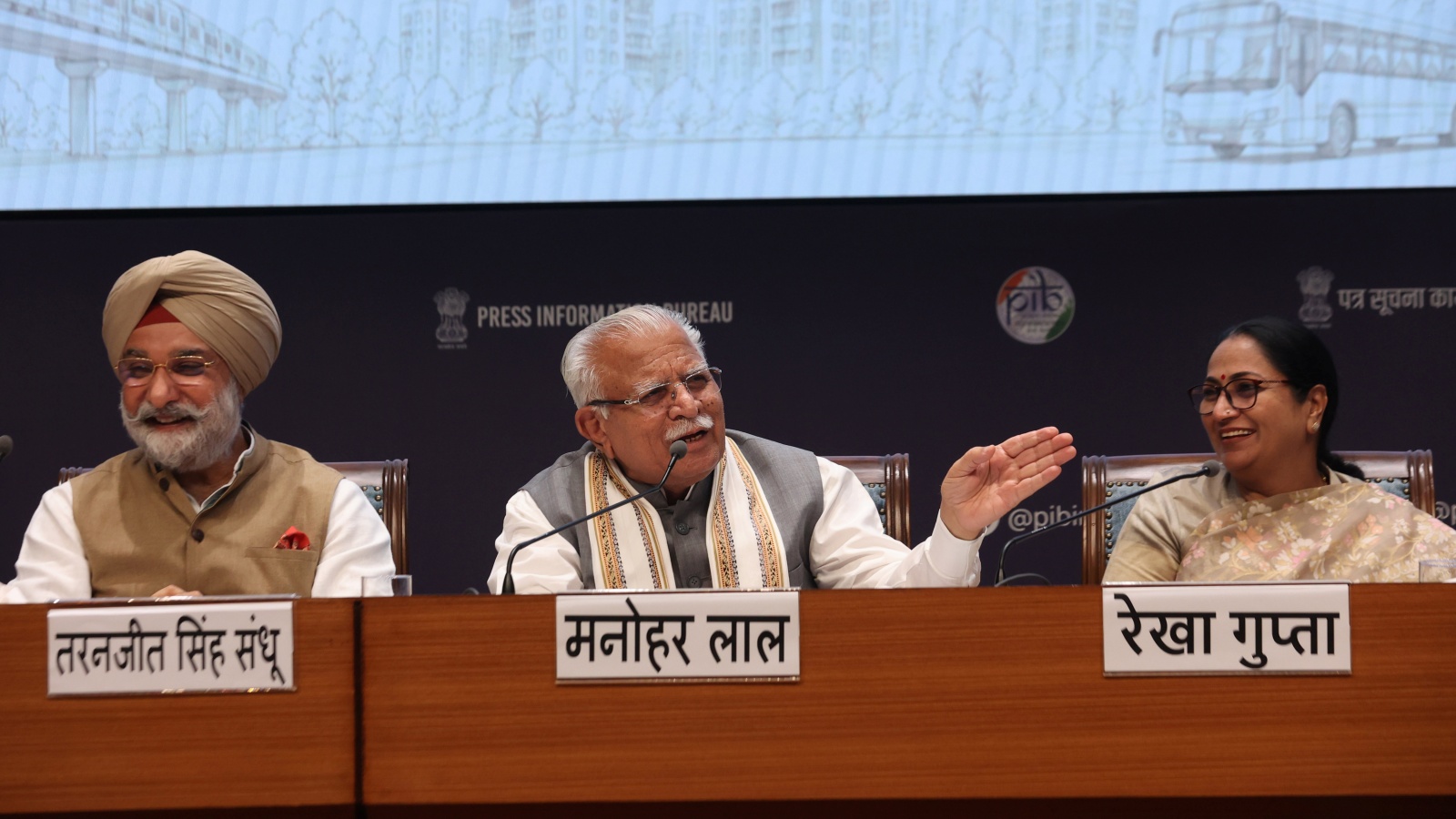
Delhi’s ambitious Master Plan 2047 promises new infrastructure and economic corridors, but the real question is whether low‑income residents will benefit. The plan’s technical veneer hides deep social inequities that could shape the city’s future.
- Massive infrastructure yet affordable housing remains scarce
- Plan overlooks needs of gig and informal workers
- Land value gains favor high‑income owners
Introduction
The Delhi Master Plan 2047 aims to make the capital globally competitive with fresh housing, transit‑oriented development, and expanded economic corridors. Beneath these lofty targets lies a fundamental query: who will actually belong to the new Delhi?
The Double‑Edged Sword of Urban Planning
Planning is often portrayed as a technical exercise—land use, density, roads, and infrastructure. In practice, it decides who gains access to housing, jobs, and public space, and who reaps the benefits of soaring land values.
Invisible Informal Economy
During the 2023 G20 Summit, Delhi cleared roadside vendors and hid informal settlements while hosting world leaders. The episode revealed a paradox: the city needs its informal economy, yet it prefers its workers stay out of sight. Delivery riders, sanitation staff, domestic workers, and small traders are essential, but conventional planning rarely recognises them as a constituency.
Housing Inequities
The coexistence of peripheral formal housing and informal dwellings near employment highlights the limits of a numbers‑based approach. For low‑income households, housing cost includes rent, transport, commute time, childcare, and job access. A formally affordable unit can become unaffordable if commuting consumes a large share of income.
Social Factors and Basic Services
Caste, occupation, and gender continue to shape access to land, dignity, and services. Women’s inclusion cannot be achieved merely by adding toilets or childcare centres. The location of affordable housing influences commuting, unpaid care work, and job opportunities; therefore, housing, transport, and care infrastructure must be planned together.
Public Investment vs. Private Gain
New metro lines and commercial corridors raise surrounding land values. If these gains accrue primarily to property owners while poorer residents are priced out, public investment turns into private wealth, deepening displacement.
Why This Matters
BozokMedia analysis shows that the success of Delhi’s 2047 vision hinges not merely on skyscrapers and metros, but on inclusive policies that keep the city’s essential workers—delivery riders, sanitation staff, and low‑income families—affordably rooted in the urban fabric.
“Without a clear framework for affordable housing and worker amenities, the 2047 plan risks becoming a city for the rich, not the residents who build it.” – Urban policy expert Dr. Ritu Sharma
Frequently Asked Questions
Q1: What specific provisions does the Master Plan have for low‑cost housing?
A: The plan lists housing targets but lacks detailed mechanisms to control land price spikes, transport costs, and integrated service delivery.
Q2: How will community participation be ensured during implementation?
A: No concrete consultation framework has been announced, raising concerns about the visibility of grassroots voices.