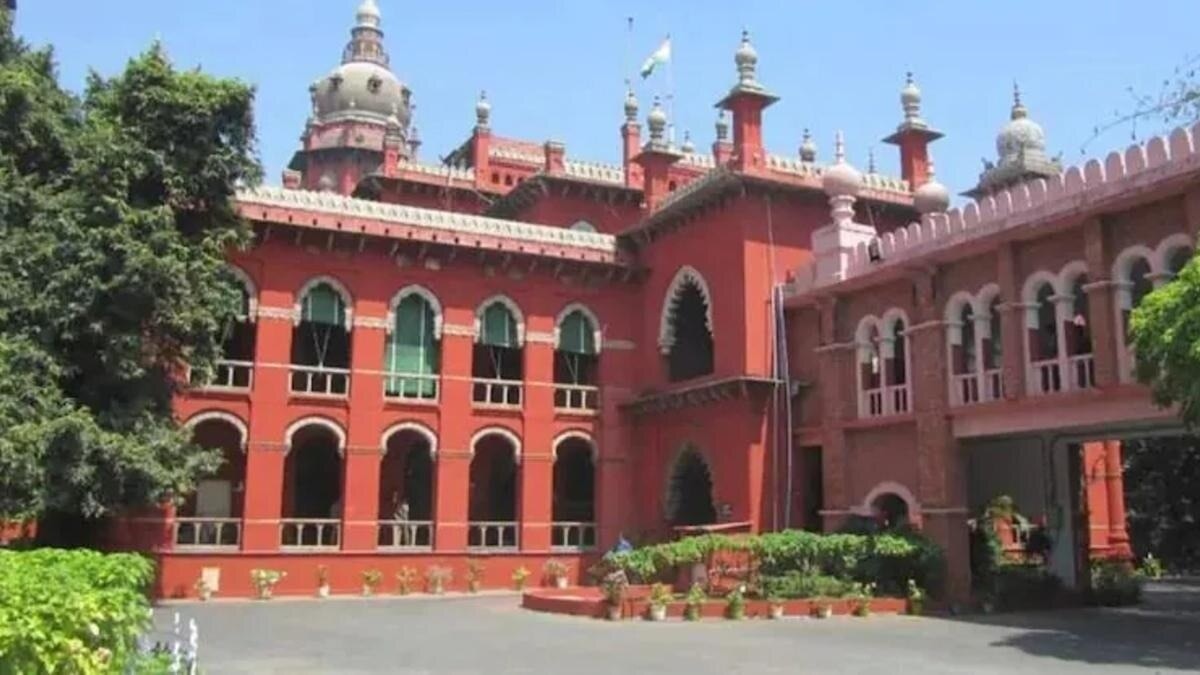
The Election Commission of India, following a Madras High Court order, will not announce by‑elections for five vacant Tamil Nadu Assembly seats until pending election petitions are adjudicated. The stay remains in effect until September 8.
- ECI has postponed by‑polls for five vacant Tamil Nadu seats.
- The High Court extended the stay until September 8.
- New elections will commence only after petition outcomes.
Background
In May 2026, elections were held for five Tamil Nadu Assembly constituencies – Tiruchi East, Perundurai, Ambasamudram, Viralimalai and Karur. Chief Minister C Vijay won from Perambur and Tiruchi East, resigning from the latter. The remaining four seats were won by AIADMK candidates who later defected to the Tamilaga Vettri Kazhagam (TVK) party.
Judicial Intervention
Resident K Venkatachalapathy filed a petition arguing that, under Section 151A of the Representation of the People Act, 1951, these seats cannot be treated as “clear vacancies” while election petitions are pending. The Madras High Court consequently extended its interim order restraining the Election Commission from notifying the by‑polls until September 8, rejecting the state government's plea to lift the stay.
State Government's Response
The TVK‑led government sought an early hearing, urging the court to remove the restriction so that the electoral process could proceed. The bench declined, maintaining the status quo and scheduling a final hearing on September 8.
Why This Matters
BozokMedia analysis shows that delaying the by‑polls could shift the power balance in Tamil Nadu, especially with the ruling coalition relying on these seats to solidify its majority. The postponement also raises questions about the enforcement of the Representation of the People Act and may set a precedent for future contested elections across India.
"This is less about a legal tussle and more about determining the political trajectory of Tamil Nadu," said political analyst Dr. Anjali Shortley.
Historical Context
In the past decade, Tamil Nadu has witnessed several by‑poll controversies, notably in 2015 and 2019, where pending election petitions delayed the scheduling of fresh polls. Such legal battles often impact the state's political stability and set important judicial precedents.
Frequently Asked Questions
Q1: When can the by‑polls be held?
A: The court has extended the stay until September 8; the final schedule will depend on the outcome of the pending petitions.
Q2: Could this ruling affect other states?
A: Potentially, as it underscores the importance of resolving election petitions before declaring vacancies, prompting other state governments to anticipate similar legal challenges.