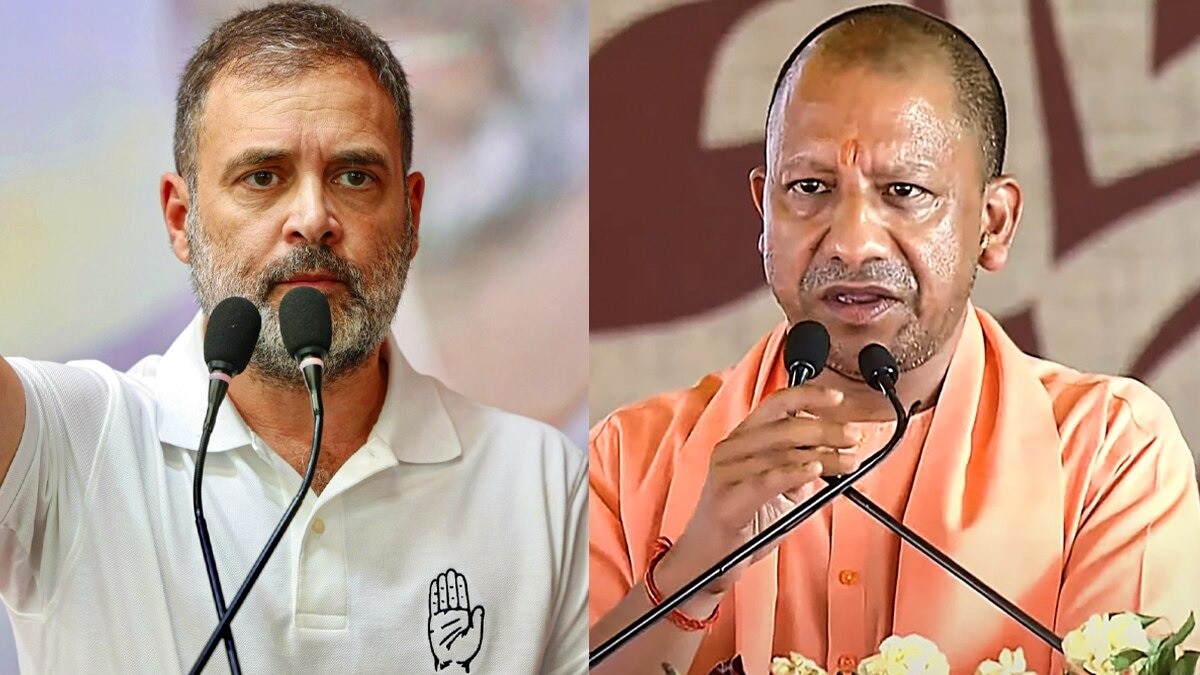
Senior Pakistani leaders Khawaja Asif and Mohsin Naqvi have delivered a scathing critique of the Shehbaz Sharif administration, contrasting India's rapid ascent with Pakistan's systemic struggles.
- Khawaja Asif identified the bureaucracy as Pakistan's 'real and permanent ruler.'
- A stark contrast was drawn between India's economic rise and Pakistan's instability.
- Internal criticism highlights a massive disconnect within the ruling political structure.
The political landscape in Pakistan is witnessing a period of intense internal scrutiny. Senior figures Khawaja Asif and Mohsin Naqvi have launched a direct critique against the Shehbaz Sharif administration, highlighting a grim reality: while India is making significant strides as a global economic powerhouse, Pakistan remains mired in systemic instability and economic hardship.
In a particularly stinging remark, Khawaja Asif pointed toward the deep-seated structural issues within the state. He asserted that the country's bureaucracy acts as the 'real and permanent ruler' of Pakistan. This suggests that regardless of which political party holds office, the administrative machinery maintains a grip on power that often bypasses democratic mandates and impedes meaningful reform.
Why This Matters
BozokMedia analysis shows that these internal fractures are symptomatic of a deeper institutional crisis. When top-tier leaders publicly question the efficacy of their own government, it signals a breakdown in political cohesion, which can further deter foreign direct investment and complicate negotiations with international lenders like the IMF.
The dominance of the bureaucracy in Pakistan creates a policy paralysis that prevents long-term economic planning.
The comparison with India serves as a painful metric for the Pakistani leadership. While India has leveraged technological advancements and infrastructure development to boost its GDP, Pakistan continues to struggle with high inflation, debt servicing, and political volatility. The bluntness of Naqvi and Asif's comments reflects a growing desperation among the political class to address these widening gaps.
Historical Background
Since its inception, Pakistan has struggled to establish a stable democratic rhythm, often seeing its civilian governments overshadowed by the military and the civil bureaucracy. This power struggle has historically led to inconsistent economic policies, leaving the nation vulnerable to global market fluctuations and internal unrest.
Frequently Asked Questions
1. What was the main criticism regarding the bureaucracy?
Khawaja Asif claimed that the bureaucracy is the true, permanent ruler of the country, overshadowing elected officials.
2. How did the leaders compare Pakistan to India?
They highlighted that India is experiencing significant economic growth and rising influence, while Pakistan is struggling to maintain stability.