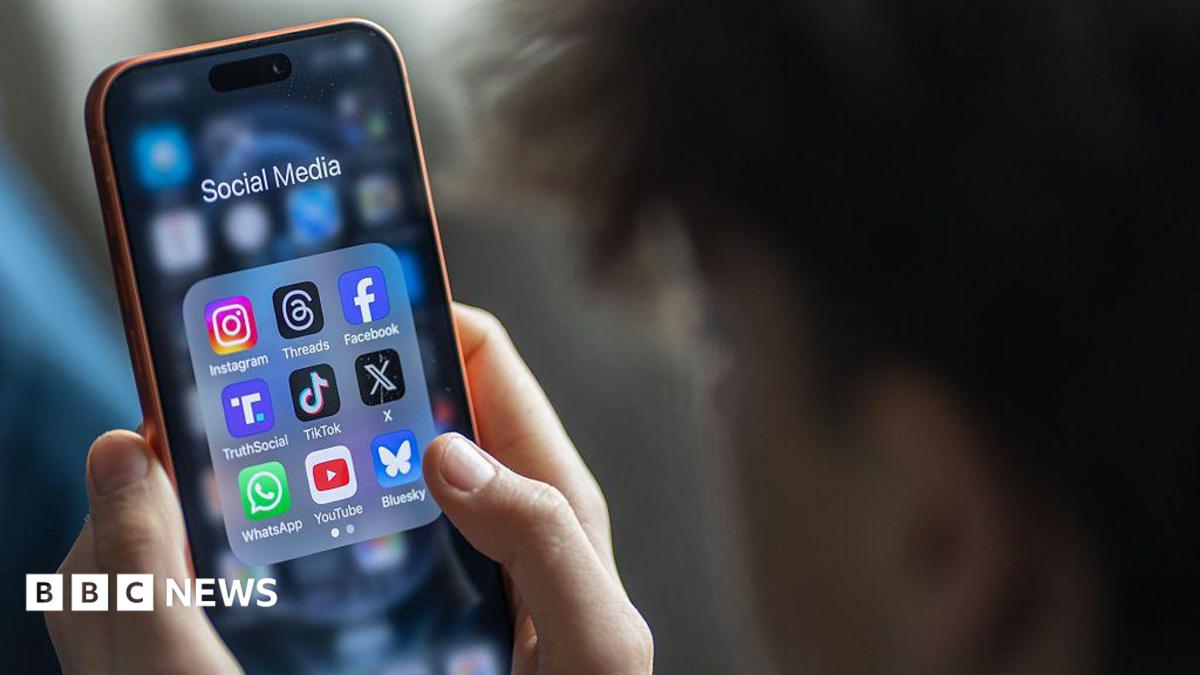
New Zealand is set to introduce a landmark bill to ban children under 16 from social media platforms. While aimed at protecting mental health, the proposal faces fierce political opposition.
- New Zealand will introduce the Online Safety Bill to ban social media for under-16s.
- Platforms like TikTok and Instagram face fines up to 10% of global revenue for non-compliance.
- Age verification methods will include facial estimation and digital ID checks.
- Coalition partners within the government are actively opposing the bill.
The New Zealand government is preparing to introduce a significant legislative measure, the Online Safety Bill, which seeks to prohibit children under the age of 16 from accessing social media platforms. The proposed law would target major giants such as TikTok, Instagram, Snapchat, and Facebook, mandating them to implement rigorous age-verification protocols.
Prime Minister Christopher Luxon defended the initiative, stating that social media exposes minors to "harmful content, addictive technology, and pressures they are not equipped to deal with." Luxon emphasized that just as children are protected in the physical world, they must be equally safeguarded in the virtual realm to protect their mental health, sleep, and education.
Why This Matters
BozokMedia analysis shows that this move represents a paradigm shift in how governments regulate Big Tech. Unlike previous attempts, this bill proposes massive financial consequences: companies that fail to verify users could be fined up to 10% of their global annual revenue. This level of penalty is significantly higher than the maximum fine of $99 million seen in Australia, making New Zealand one of the strictest regulators in the digital space.
The battle for digital safety is moving from mere guidance to heavy-handed regulation and massive financial accountability.
Despite the government's intent, the bill faces a rocky parliamentary path. In a surprising twist, coalition partners including the New Zealand First (NZF) party and the Act Party have signaled they will vote against it. Deputy Prime Minister David Seymour argued that a ban would be ineffective, while Foreign Affairs Minister Winston Peters warned of a "slippery slope" for the country's legislative direction.
Global Context and Comparisons
New Zealand is following a trend set by Australia, though enforcement remains a massive hurdle. In contrast, France's top court recently struck down a similar ban, ruling that it infringed upon the fundamental right to freedom of expression. This highlights the delicate balance between child safety and digital rights.
| Country | Status | Key Feature |
|---|---|---|
| New Zealand | Proposed | Up to 10% Global Revenue Fine |
| Australia | Implemented | Significant enforcement challenges |
| France | Rejected | Struck down for Free Speech issues |
To comply, platforms will be required to use advanced methods such as facial age estimation and digital identity checks. They must also conduct regular risk assessments and report back to regulators on how they are identifying and mitigating risks to minors.
Frequently Asked Questions (FAQ)
1. Will parents be fined if their child uses social media?
No, the bill specifically targets social media companies. No penalties are proposed for children, parents, or caregivers.
2. How will platforms verify age?
Companies must take "reasonable steps," which may include using existing account data, facial age estimation technology, or digital identity verification.


