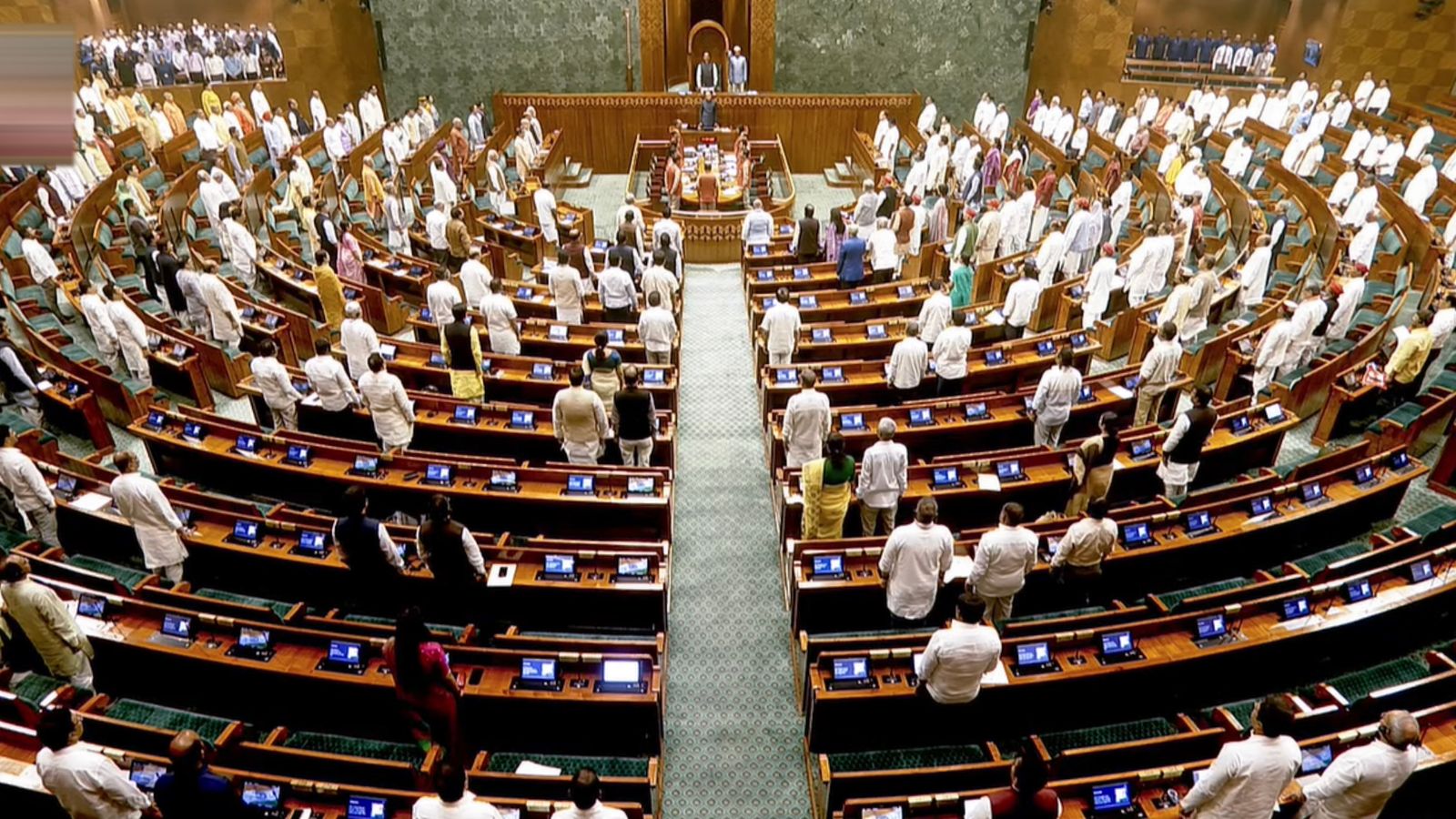
The opposition is repeatedly sabotaging parliamentary sessions to push its political agenda, undermining democratic debate. This column examines the tactics, their impact, and why genuine dialogue is essential for India’s democracy.
- The opposition consistently disrupts parliamentary sittings.
- Reducing parliamentary time is used as a political weapon.
- Constructive debate is vital to safeguard democracy.
Parliament belongs neither to the government nor to the opposition; it belongs to the people of India. The current conduct of the opposition demonstrates that they treat Parliament as a tool for protest rather than a forum for democratic deliberation.
During the Monsoon Session, the Lok Sabha functioned for only 15 % of its scheduled time and the Rajya Sabha for 33 %. Question Hour ran for a mere 1 % in the Lok Sabha and 12 % in the Rajya Sabha – figures that are inseparable from repeated disruptions and adjournments.
The opposition’s cynical arithmetic is simple: first incapacitate Parliament, then brand the lost time as evidence of governmental failure. This strategy erodes the very foundations of parliamentary democracy.
When Home Minister Amit Shah offered a 24‑hour, detailed debate after the Jantar Mantar protests, Opposition leader Rahul Gandhi dismissed it as a “lecture.” Refusing a full debate while later decrying parliamentary silence is a stark contradiction.
Rahul Gandhi’s own parliamentary record underscores the irony: in the 17th Lok Sabha he attended only 51 % of sessions, asked 99 questions (the average is 210), and introduced no Private Member’s Bill. Yet he accuses the government of “destroying our democracy.”
The government’s handling of the Foreign Contribution (Regulation) Amendment Bill—referring it to a Joint Parliamentary Committee—was opposed by sections of the opposition, who demanded its outright withdrawal. For some parties, consultation now means that the government must concede entirely, not merely listen.
Why This Matters
BozokMedia analysis shows that when a party physically blocks Parliament, it not only stalls legislation but also weakens citizens’ democratic rights, fueling electoral disillusionment.
"The strength of a parliamentary democracy lies in debate, not disruption," notes political scientist Dr. Anjali Singh.
Frequently Asked Questions
Q1: Does the opposition have legitimate grounds to disrupt Parliament?
A: The Constitution grants the opposition the right to question and protest, but it does not permit shutting down parliamentary proceedings.
Q2: How do such disruptions affect the government's ability to govern?
A: Delays in legislative work slow policy implementation, ultimately impacting the public negatively.