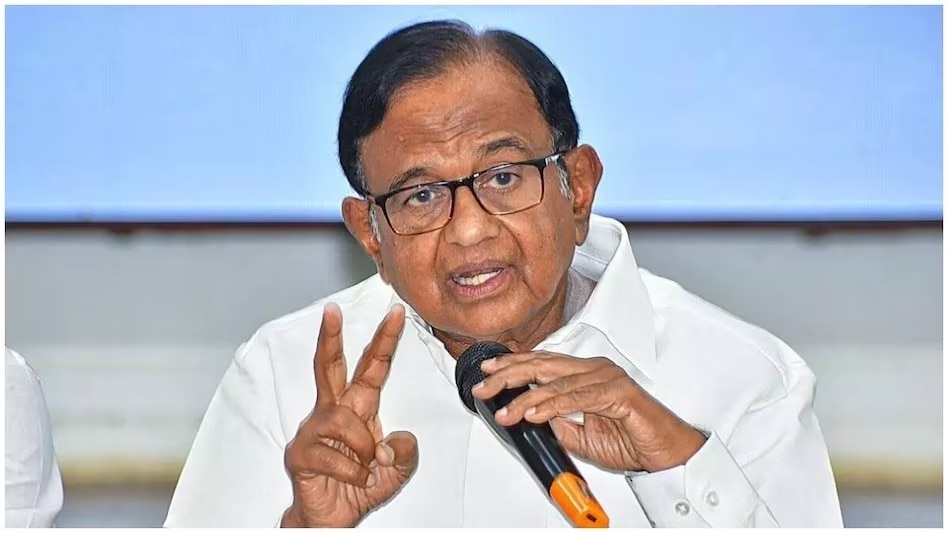
Congress veteran P. Chidambaram vehemently opposed the One Nation, One Election Bill before the Joint Parliamentary Committee, calling it unconstitutional and a threat to democracy. He argued that the proposal violates the core structure of the Constitution and that the government lacks the necessary majority to pass it.
- One Nation One Election Bill declared unconstitutional
- Chidambaram urges protection of constitutional fundamentals
- Government does not have a two‑thirds majority to pass the bill
Background
During a hearing of the Joint Parliamentary Committee (JPC), senior Congress leader P. Chidambaram launched a sharp rebuttal against the proposed One Nation, One Election legislation. He described the bill as “Monstrous” and “unconstitutional,” warning that it would erode India’s federal framework.
Bill Objectives
The legislation, comprising the Constitution (Amendment) Bill, 2024 and the Centre‑Controlled Territory Law (Amendment) Bill, 2024, aims to synchronize Lok Sabha and all state assembly elections. Proponents claim it will cut administrative costs and ensure continuous governance.
Chidambaram’s Core Arguments
Chidambaram asserted that each legislative body is elected for a five‑year term; truncating this term mid‑cycle directly contravenes the Constitution’s basic structure. He also highlighted that the ruling coalition lacks a two‑thirds majority, making the bill’s passage constitutionally and politically untenable.
Historical Context
From 1951 to 1967, India conducted simultaneous elections for the Lok Sabha and all state assemblies. The practice ended after premature dissolutions in 1968‑69, leading to staggered elections that continue to this day.
Why This Matters
BozokMedia analysis shows that a forced synchronization of national and state elections could reshape power dynamics between the centre and states, potentially eroding federal autonomy and triggering legal challenges that may reach the Supreme Court.
"Combining Lok Sabha and state elections undermines federalism and could set a dangerous precedent for future governance," says constitutional expert Dr. Ananya Rao.
Frequently Asked Questions
Q1: What is the main purpose of the One Nation One Election Bill?
A: The bill seeks to hold national and state elections together to reduce costs and improve administrative efficiency.
Q2: Why do opponents claim the bill is unconstitutional?
A: Critics argue that shortening the fixed five‑year terms of elected bodies violates the Constitution’s federal principles and democratic stability.