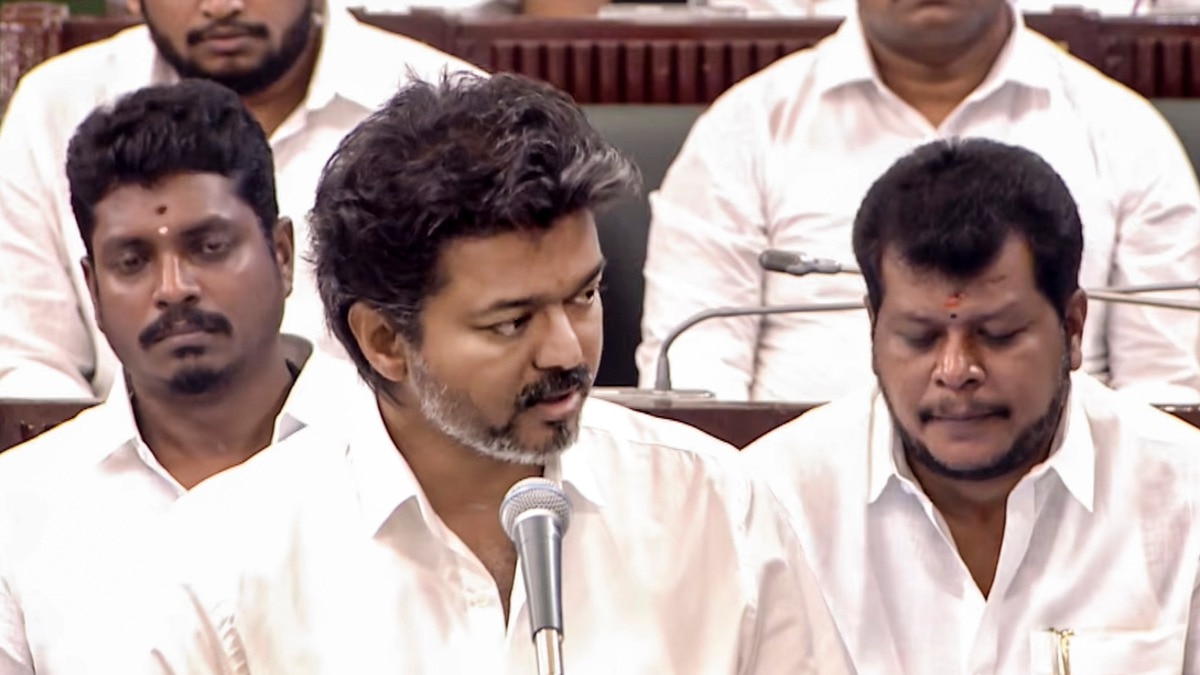
Congress leader Rahul Gandhi's provocative call for women to 'smash the patriarchy' during a Pune event has triggered a fierce ideological battle between the Congress and the BJP.
- Rahul Gandhi urged women to challenge and dismantle patriarchal structures during a public event in Pune.
- The BJP dismissed the event as a 'political comedy show,' while Congress defended the discourse as essential gender reform.
- The event gained viral traction after a student gave Gandhi a surprise kiss while he was exiting the stage.
In a high-energy gathering in Pune, senior Congress leader Rahul Gandhi delivered a stirring address focusing on gender equality and the systemic oppression of women. His explicit call to "smash the patriarchy" has since become the epicenter of a heated political debate, reflecting the deep ideological divide between India's two largest political parties.
During the event, Gandhi engaged closely with the female attendees, emphasizing that the liberation of women is not merely a social goal but a political necessity. He argued that patriarchal norms stifle the potential of half the population and hinder national progress. The atmosphere grew electric as Gandhi complimented several women on their courage and presence, including a moment where he called one attendee 'very beautiful,' which has since been highlighted in various media reports.
Why This Matters
BozokMedia analysis shows that Rahul Gandhi is consciously shifting his rhetoric toward identity politics and social justice to build a more inclusive coalition. By targeting the 'patriarchy,' he is attempting to mobilize the female electorate—a demographic that has historically been a decisive factor in Indian elections. This strategy aims to frame the Congress party as the champion of progressive social change against a conservative establishment.
The shift toward explicitly naming 'patriarchy' marks a transition from general empowerment slogans to a more confrontational, structural critique of Indian society.
The Bharatiya Janata Party (BJP) was quick to react, labeling the entire Pune event as a "political comedy show." BJP spokespersons argued that Gandhi's approach is superficial and lacks a concrete policy framework, suggesting that his comments are designed for viral clips rather than meaningful reform. In response, the Congress party hit back, stating that the BJP's dismissal of the issue proves their own inability to address gender-based systemic inequality.
Adding to the viral nature of the event, a video surfaced showing a student giving Rahul Gandhi a surprise kiss as he left the stage. While some viewed this as a sign of genuine affection and connection with the youth, critics used it to further characterize the event as lacking seriousness.
Historical Background
The discourse on patriarchy in Indian politics has evolved from the early feminist movements of the 1970s to the current era of 'Women's Reservations' and legislative quotas. While the BJP often focuses on 'Nari Shakti' (Women's Power) through welfare schemes like Ujjwala, the Congress is now attempting to pivot toward a rights-based, structural approach to gender equality.
Frequently Asked Questions
Q1: What does 'Smash the Patriarchy' mean in this context?
It refers to the act of dismantling social systems where men hold primary power and predominate in roles of political leadership, moral authority, and social privilege.
Q2: How did the BJP respond to the Pune event?
The BJP characterized the event as a 'political comedy show,' suggesting that the rhetoric was performative rather than substantive.