Once hailed as the disruptor who would break Nepal's political cycle, Prime Minister Balendra 'Balen' Shah is facing a massive backlash due to governance lapses and growing isolation from his own party.
- Balen Shah rode a historic Gen Z wave to defeat veteran KP Sharma Oli in March.
- Governance failures, including customs disputes with India, have eroded public trust.
- Growing distance from Parliament and the RSP party has created an internal political crisis.
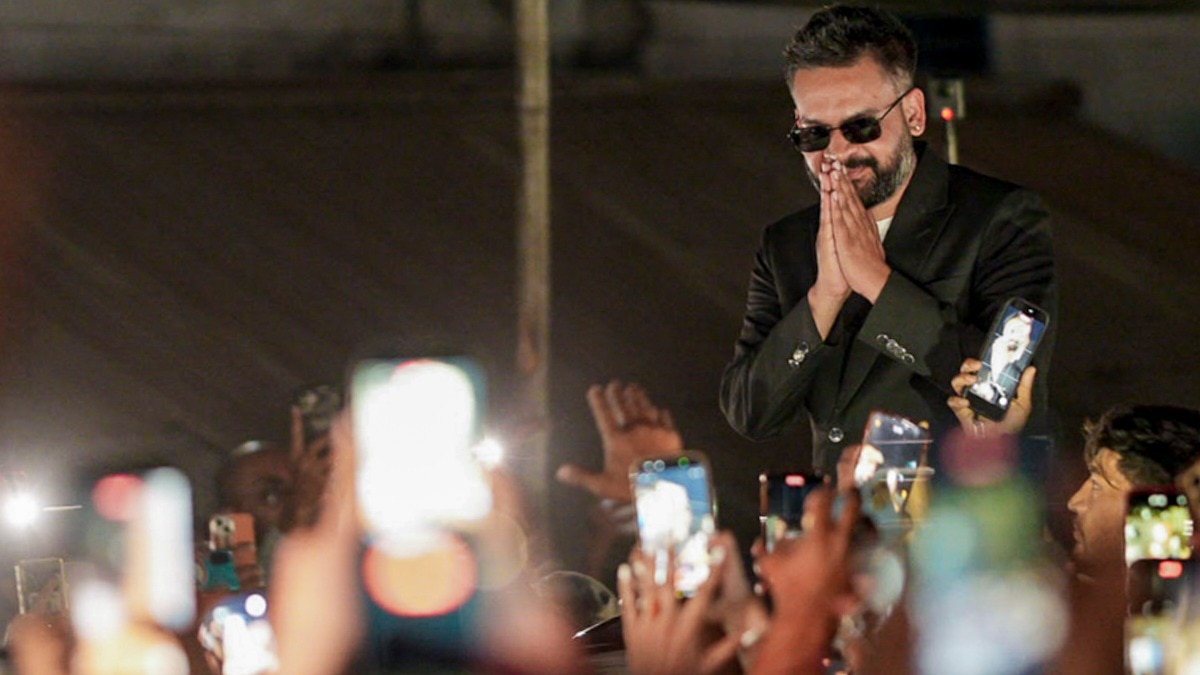
Just five months ago, Balendra 'Balen' Shah appeared to be the savior of Nepalese democracy. The former underground rapper and structural engineer didn't just win an election; he led a 'Gen Z revolution' that toppled the old guard. By defeating four-time Prime Minister KP Sharma Oli on his own turf, Shah signaled a seismic shift in the country's political landscape.
However, the honeymoon period has ended abruptly. Within 150 days of taking office on March 27, the aura of the youth leader has begun to dim. The very generation that propelled him to power is now back on the streets of Kathmandu, demanding his resignation. A series of policy missteps and diplomatic friction points have turned his momentum into a liability.
Why This Matters
BozokMedia analysis shows that the transition from a charismatic protest leader to a functional head of state is the most perilous phase for any political outsider. Shah's struggle highlights the friction between populist energy and the rigid requirements of institutional governance and international diplomacy.
One of the most significant triggers was the customs controversy in April. Shah's attempt to enforce strict duties on goods from Indian markets—essential for everyday Nepalese citizens—led to immediate public outrage, forcing a humiliating government backtrack. This was compounded by awkward diplomatic episodes involving his party chairman, Rabi Lamichhane, and a perceived lack of engagement with foreign envoys.
Confrontation serves a rebel well in opposition, but governing requires the nuanced art of compromise and relationship management.
Beyond policy, Shah is facing an internal rebellion. Reports indicate a widening rift between the Prime Minister and his own party, the Rastriya Swatantra Party (RSP). By skipping critical party meetings in favor of personal travel, Shah has raised questions about whether he still aligns with the very organization that secured his mandate.
The situation reached a breaking point in July following communal clashes in southern districts and public protests over land evictions. These crises have shattered the image of Shah as an untouchable outsider capable of bypassing traditional political friction, revealing instead a leader struggling to navigate the complexities of statecraft.
Frequently Asked Questions
1. What caused the backlash against Balen Shah's government?
The backlash was driven by strict customs rules affecting Indian imports, communal violence, and perceived detachment from parliamentary duties.
2. Is there tension within the Rastriya Swatantra Party?
Yes, there are growing concerns regarding Shah's lack of engagement with the party leadership and central committee meetings.