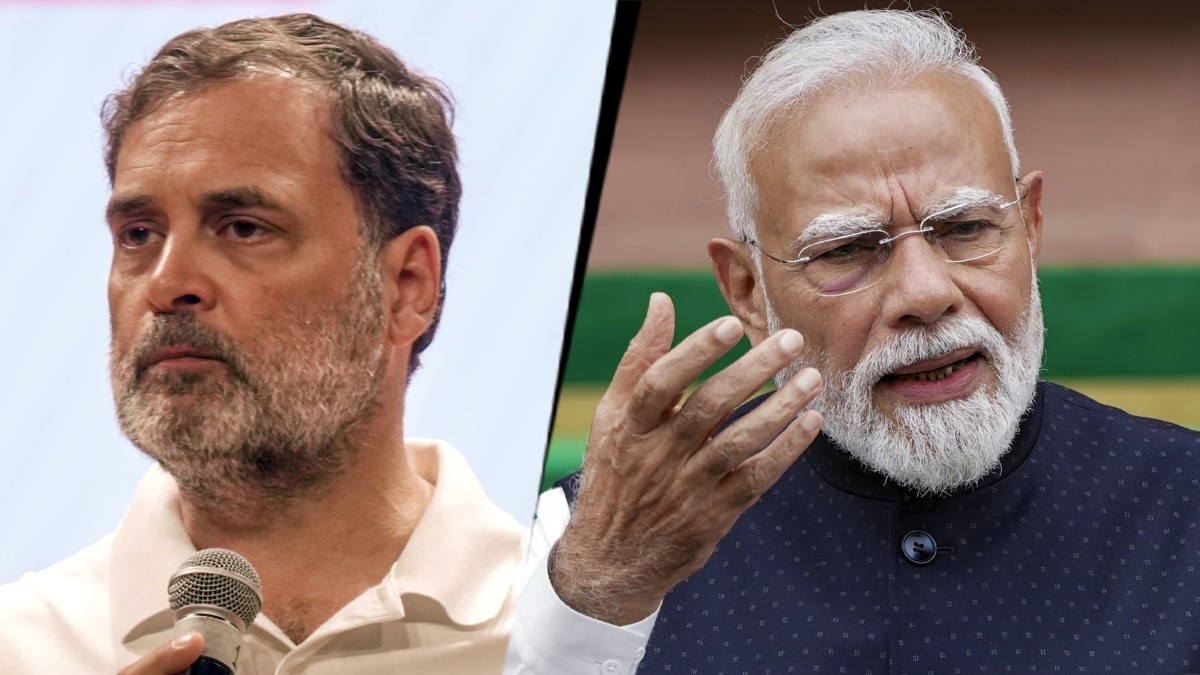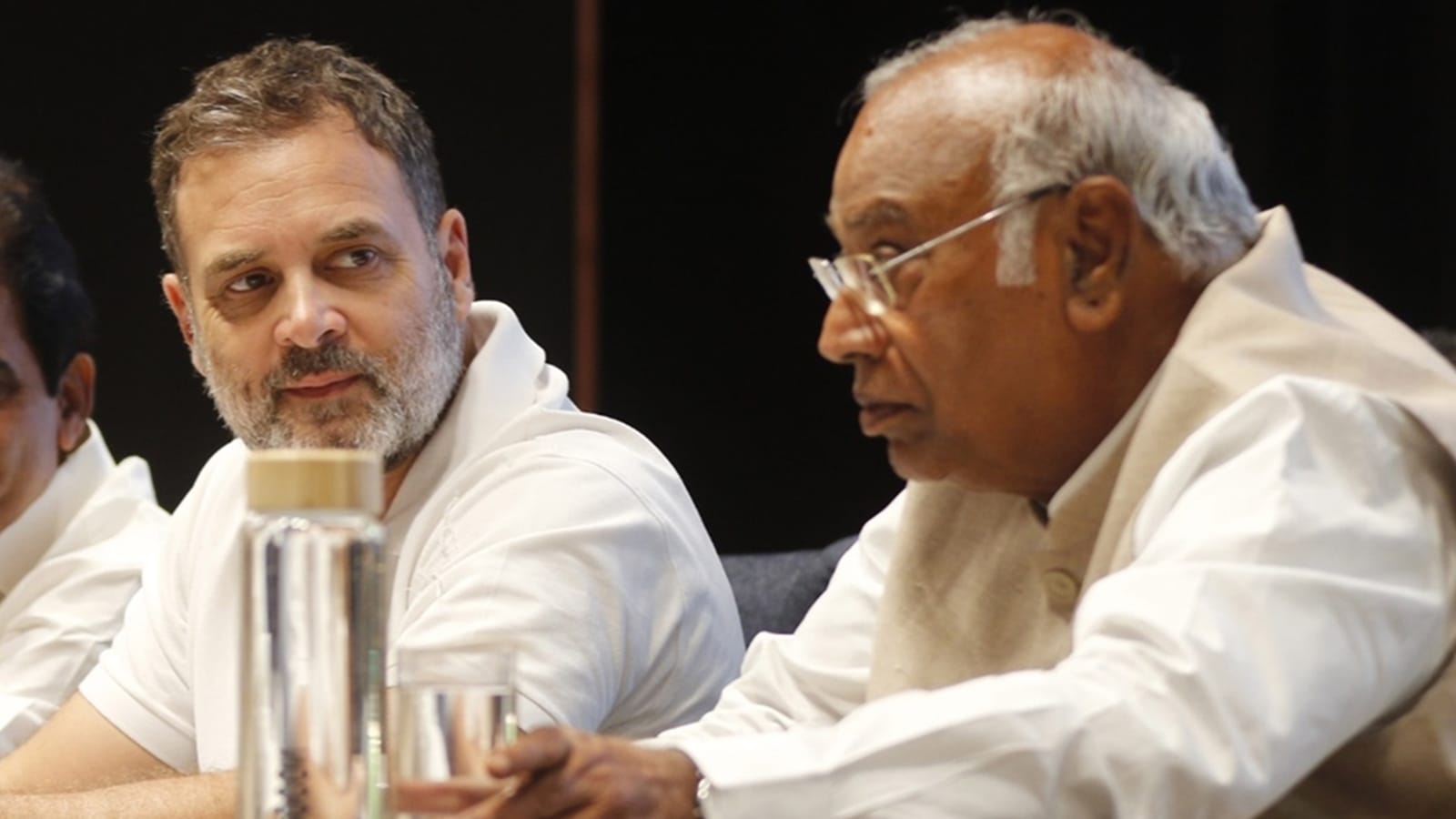
Opposition leaders Mallikarjun Kharge and Rahul Gandhi have urged PM Narendra Modi to scrap the current caste census questionnaire, calling it misleading and prone to data fragmentation.
In a significant political escalation, Leaders of the Opposition in both Houses of Parliament, Mallikarjun Kharge (Rajya Sabha) and Rahul Gandhi (Lok Sabha), have submitted a joint letter to Prime Minister Narendra Modi. The letter demands a complete overhaul of the upcoming caste census questionnaire, which the leaders describe as 'misleading'.
The core of the opposition's grievance lies in the methodology of caste enumeration. Kharge and Gandhi argued that the government's decision to use an open-ended question format—where individuals record their caste names themselves—will lead to massive data inaccuracies. Due to linguistic variations and regional sub-castes, a single community could be fragmented into thousands of distinct entries, rendering the entire dataset statistically useless.
Why This Matters
BozokMedia analysis shows that the accuracy of this census is not merely a statistical concern but a cornerstone of India's socio-political landscape. Accurate caste data is the foundation upon which policies for education, employment, and welfare schemes are built. Flawed data could systematically disadvantage marginalized communities by obscuring their true numerical strength.
'Without precise socio-economic data, the promise of social justice remains an unfulfilled constitutional mandate.'
Congress General Secretary Jairam Ramesh further criticized the government's approach, labeling the current efforts as a mere "whitewash". He noted that this marks the third time the Congress leadership has written to the Prime Minister on this critical issue, yet the administration has remained silent.
To rectify the potential flaws, the leaders proposed a practical alternative: implementing a pre-defined 'drop-down list' of castes. They pointed out that such lists could be compiled using existing government records and data from the Anthropological Survey of India, mirroring the successful methods used in the Telangana (2024) and Bihar (2022) caste surveys.
Frequently Asked Questions
1. Why is the 'open-ended' format criticized?
Because it allows for various spellings and regional names for the same caste, making it impossible to aggregate accurate totals.
2. What is the Congress's proposed solution?
They suggest using a standardized drop-down list of castes, similar to the process used for Scheduled Castes and Scheduled Tribes.