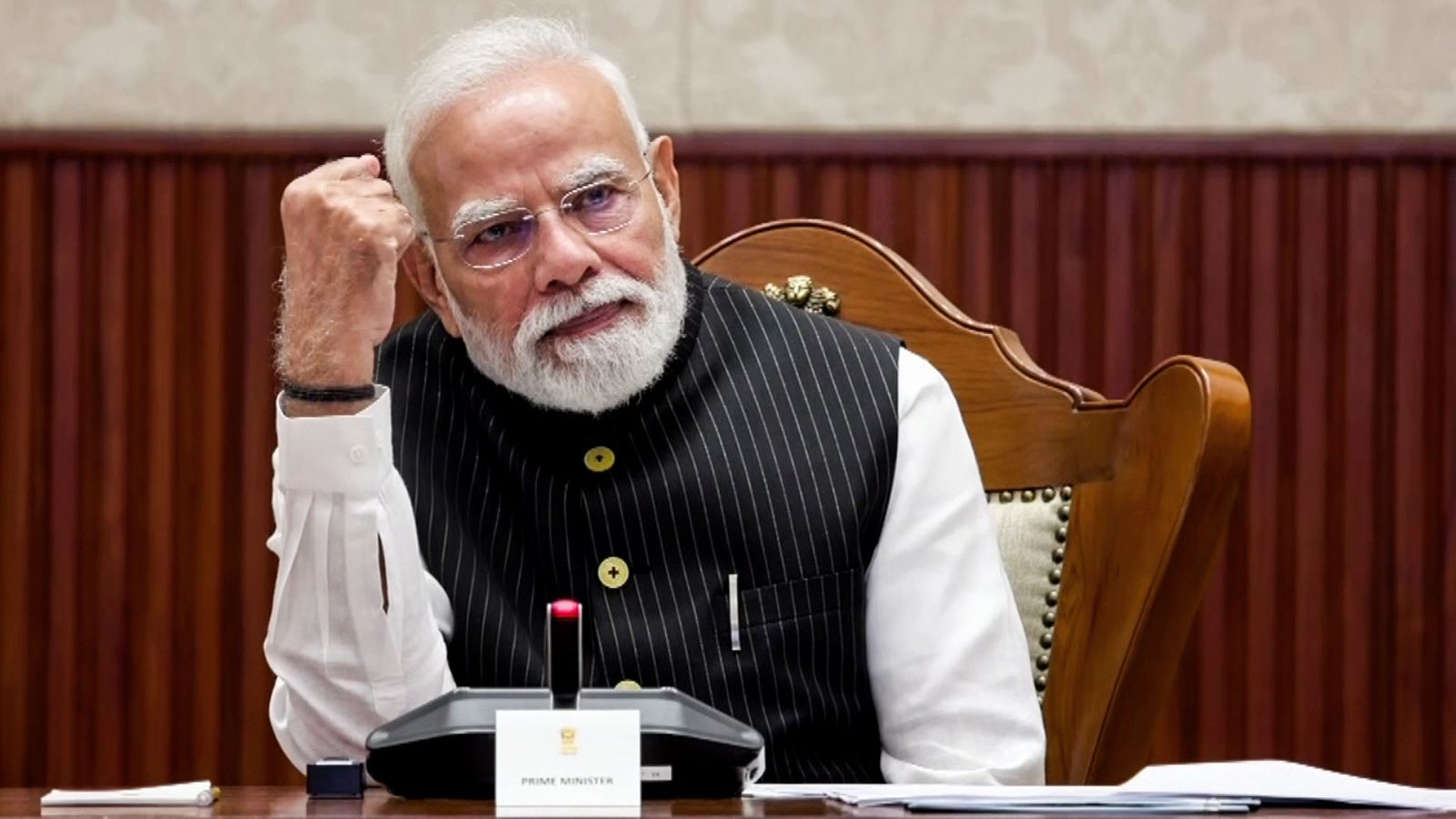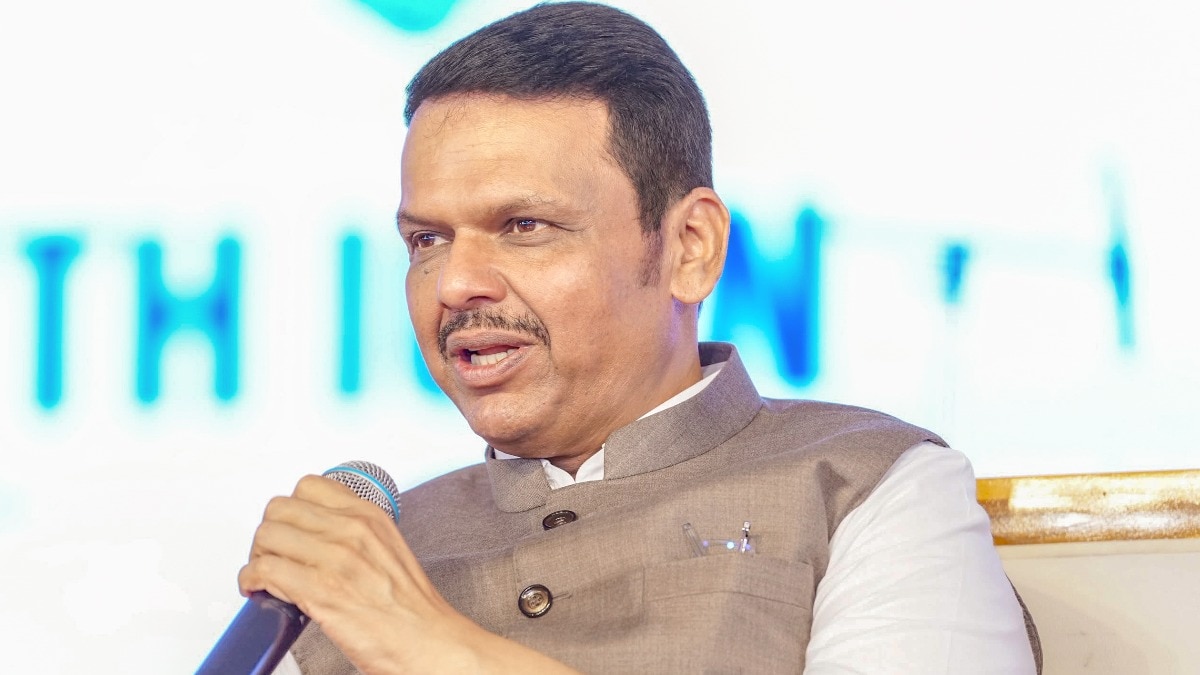
Chief Minister Devendra Fadnavis has successfully resolved the deadlock over government corporation appointments within the Mahayuti alliance. A new power-sharing formula based on the number of MLAs has been established, putting an end to leadership change speculations.
- Power-sharing in government corporations will now be based on the number of MLAs.
- Corporations are categorized into A, B, and C tiers for systematic allocation.
- A 60-30-10 ratio established for DPDC fund control and appointments.
- All rumors regarding a change in leadership were officially dismissed.
In a strategic move to stabilize the Mahayuti government in Maharashtra, Chief Minister Devendra Fadnavis convened a high-level meeting at his official residence, 'Varsha'. The late-night session, conducted over dinner, brought together top leaders from the Bharatiya Janata Party (BJP), Eknath Shinde's Shiv Sena, and the Nationalist Congress Party (NCP) to resolve a simmering dispute over appointments in state-run corporations.
The core of the conflict lay in the distribution of influential posts within various government bodies. To eliminate ambiguity, the leadership agreed upon a formula where the allocation of corporations will be proportional to the number of MLAs each party holds in the assembly. As the BJP is the largest entity in the alliance, it will command the highest share, followed by the Shiv Sena and NCP.
To streamline the process, the government will classify these corporations into three categories: A, B, and C. Category 'A' will comprise the most critical and high-impact corporations. The administration has set a strict deadline of one month to resolve all pending disputes and finalize appointments, with mandatory review meetings scheduled every Tuesday.
Why This Matters
BozokMedia analysis shows that this 'dinner diplomacy' is a calculated effort to prevent internal fragmentation. In coalition politics, the distribution of board memberships and corporation chairmanships serves as a primary currency for maintaining loyalty. By introducing a mathematical formula based on legislative strength, Fadnavis has replaced political intuition with a transparent system, thereby reducing the scope for future friction.
"Tying corporate appointments to legislative strength is a pragmatic approach that ensures stability while maintaining the hierarchy of the coalition."
The meeting also addressed the District Planning Development Committee (DPDC) issues. Under the new agreement, ruling party MLAs will maintain 60% control over appointments and funds in their respective areas, while the guardian minister will hold 30%, and smaller allies will receive 10%.
Following the meeting, BJP leader Chandrashekhar Bawankule strongly refuted rumors of a leadership change, accusing the opposition of spreading misinformation. He emphasized that the Mahayuti government enjoys the support of 235 MLAs, rendering any talk of a leadership shuffle baseless. The meeting saw the presence of heavyweights including Girish Mahajan, Eknath Shinde, and Chhagan Bhujbal.
Frequently Asked Questions
1. What is the basis for the new corporation allocation?
The allocation is based on the proportional strength (number of MLAs) of the respective parties within the Mahayuti alliance.
2. How is the DPDC fund now distributed?
The local MLA gets 60% control, the Guardian Minister gets 30%, and smaller allies get 10%.