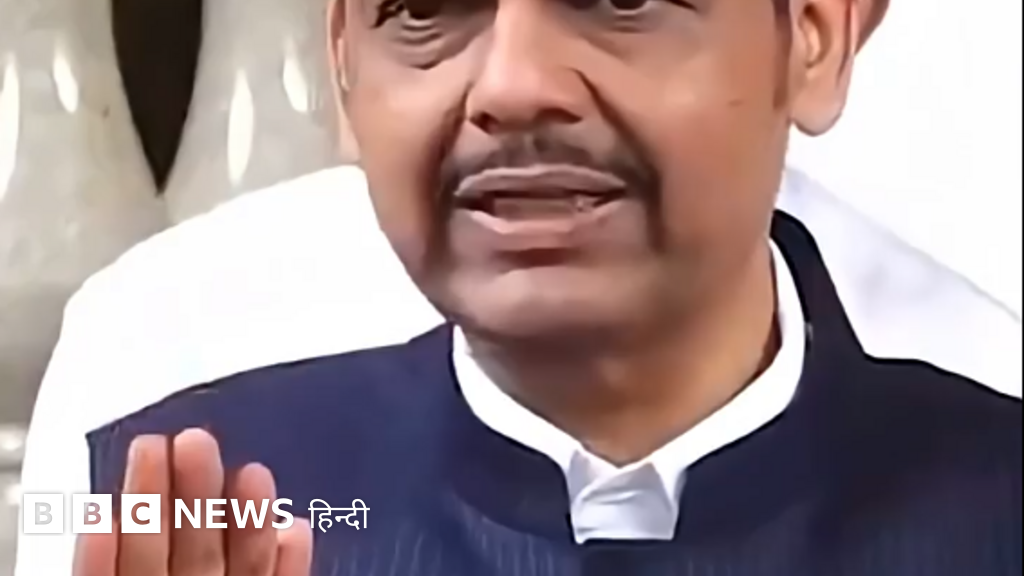
A new political debate has erupted in Maharashtra regarding the proposal to mandate Marathi language proficiency for auto and taxi drivers. Deputy CM Devendra Fadnavis has weighed in on the matter.
- New debate over linguistic identity in Maharashtra.
- Proposal to mandate Marathi for auto and taxi operators.
- Deputy CM Devendra Fadnavis provides critical clarification.
The political landscape of Maharashtra is witnessing a fresh wave of debate surrounding linguistic identity. A proposal has recently gained traction suggesting that all auto and taxi drivers operating within the state should be proficient in the Marathi language. This move has prompted a significant response from Deputy Chief Minister Devendra Fadnavis, sparking discussions across the political spectrum.
The crux of the matter lies in major urban hubs like Mumbai, where a significant portion of the transport workforce consists of migrants from various parts of India. Proponents argue that this move will strengthen the local culture and linguistic heritage, while critics fear it could create barriers to employment for non-Marathi speaking drivers.
Why This Matters
BozokMedia analysis shows that linguistic politics in Maharashtra is a deeply entrenched and sensitive issue. Mandating Marathi for the transport sector is not just a cultural statement; it has direct implications for the urban economy, labor mobility, and the integration of migrant workers into the local social fabric.
Balancing linguistic preservation with the right to livelihood remains the ultimate challenge for the state administration.
Devendra Fadnavis has attempted to navigate this sensitive issue by striking a balance. While acknowledging the importance of the Marathi language, he emphasized that any such initiative should not infringe upon the fundamental right to earn a living. His stance is being viewed as an attempt to maintain communal and linguistic harmony in the state.
Historical Background
The history of language-based politics in Maharashtra is profound. During the movement for the reorganization of states on linguistic lines in the 1950s and 60s, the Marathi identity became a powerful catalyst for political mobilization. Today, the struggle for 'Marathi Manus' identity and control over urban resources continues to be a pivotal theme in Maharashtra's electoral politics.
Frequently Asked Questions
1. What was Fadnavis's stance on the proposal?
Fadnavis acknowledged the importance of the language but stressed that it should not become a hurdle for people's livelihoods.
2. Why is there opposition to this mandate?
Opponents argue that it may marginalize migrant drivers who are not fluent in Marathi, potentially affecting their income.


