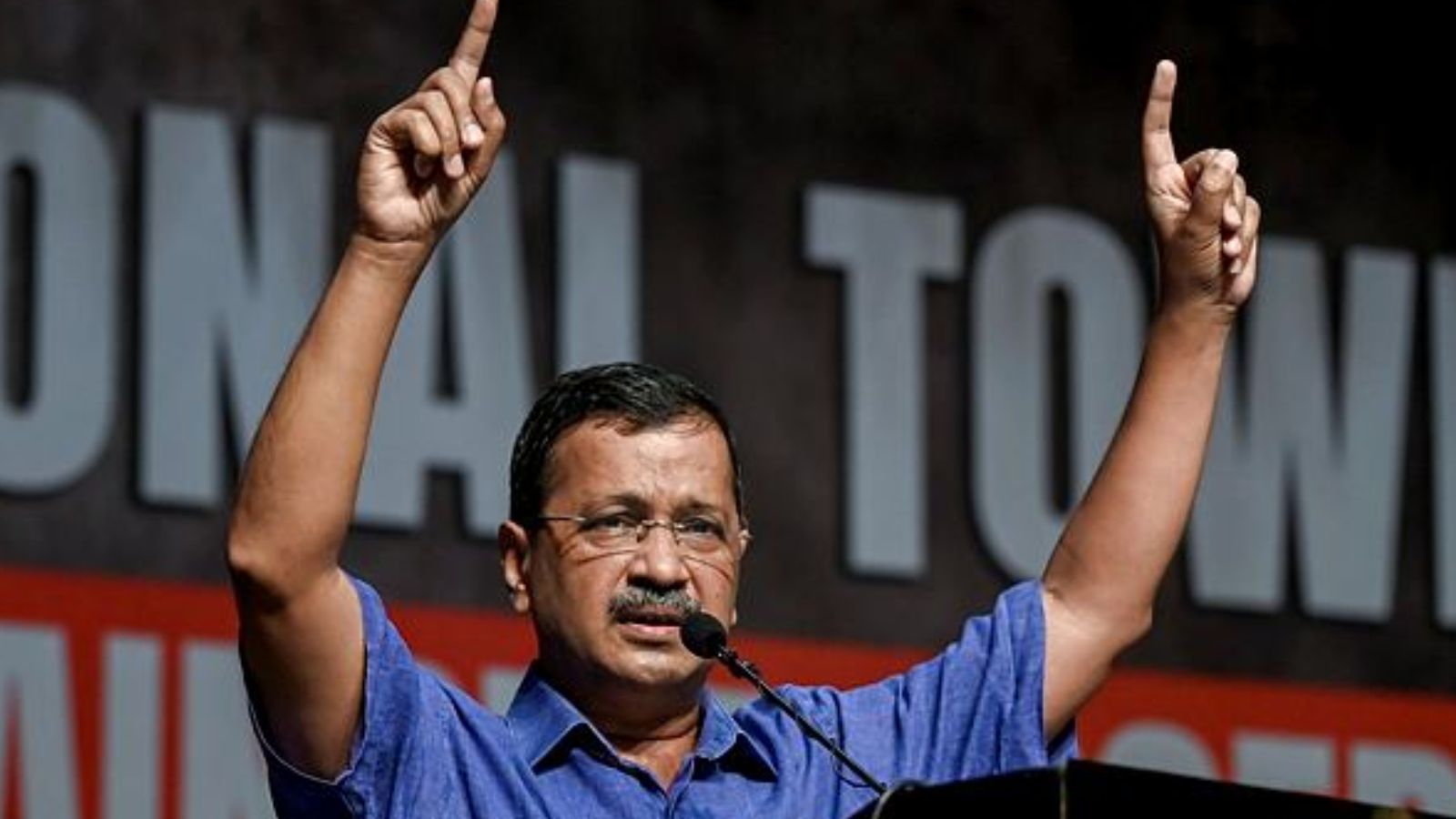
AAP National Convenor Arvind Kejriwal has raised alarms over the central government's E20 ethanol-blending policy, citing massive drops in vehicle mileage and significant engine damage.
- Reported 30% to 40% reduction in vehicle mileage due to E20 fuel.
- Mechanical issues including damage to throttle bodies, injectors, and rubber O-rings.
- Concerns over rising sugar prices due to sugarcane diversion for ethanol.
- Allegations of pressure on automobile manufacturers to remain silent.
During a recent Aam Aadmi Party (AAP) town hall in Goa, National Convenor Arvind Kejriwal took center stage to voice the grievances of citizens affected by the Center's E20 ethanol-blending mandate. The event highlighted a growing crisis where the push for greener fuel is allegedly clashing with vehicle longevity and consumer costs.
Adding technical weight to the political argument, Arif Ahmed, a mechanical engineer and superbike workshop owner, demonstrated how E20 petrol impacts critical engine components. He showcased a damaged 'throttle body,' explaining that the ethanol blend leads to the degradation of rubber O-rings and injectors, often resulting in a problematic white powder accumulation within the system.
Why This Matters
BozokMedia analysis shows that the implications of this policy extend far beyond mechanical failure. In states like Goa, where vehicle density is significantly higher than the national average—with 87% of families owning two-wheelers—the economic impact is magnified. For workers like delivery agents, a 30-40% drop in mileage translates directly into a reduction in daily savings and increased labor hours.
The transition to higher ethanol blends without widespread engine compatibility poses a systemic risk to the automotive ecosystem and consumer finances.
Kejriwal further alleged a culture of fear within the automotive industry. He claimed that while he reached out to 29 manufacturers regarding the E20 compliance of pre-2023 vehicles, many companies only provided "off the record" warnings. He suggested that manufacturers fear investigations from agencies like the ED or CBI if they openly admit to the risks posed by the current fuel mandate.
The Sugar and Macroeconomic Link
The controversy is not limited to the automotive sector. Kejriwal pointed out a troubling correlation between ethanol production and food security. By diverting sugarcane towards ethanol, the government has inadvertently caused a spike in sugar prices, which increased by ₹30 per kg in just one month. This shift could lead to increased sugar imports, putting unnecessary pressure on India's foreign exchange reserves.
| Feature | Standard Petrol | E20 Ethanol Blend |
|---|---|---|
| Mileage Efficiency | High | Reduced (30-40% drop claimed) |
| Engine Compatibility | Universal | Requires specific E20-compliant parts |
| Impact on Rubber Parts | Minimal | Potential degradation/damage |
Frequently Asked Questions (FAQs)
1. What is E20 fuel?
It is a blend of 20% ethanol and 80% petrol intended to reduce carbon emissions.
2. How does it affect my vehicle?
If your vehicle was manufactured before 2023, the ethanol might damage certain rubber components and reduce overall fuel efficiency.