Torrential monsoon rains have once again submerged large parts of Delhi, causing massive traffic delays and hardship for commuters. PWD Minister Parvesh Sahib Singh has defended the administration's efforts, labeling the flooding as 'temporary accumulation.'
- Heavy monsoon rains lashed Delhi for the second consecutive day, causing severe waterlogging.
- PWD Minister claims sensitive waterlogging points were reduced from 194 to 65 pre-monsoon.
- Major areas including Connaught Place, ITO, and Mahipalpur reported waist-deep water.
- Multiple agencies (PWD, MCD, NDMC, DJB) are involved in managing the city's drainage.
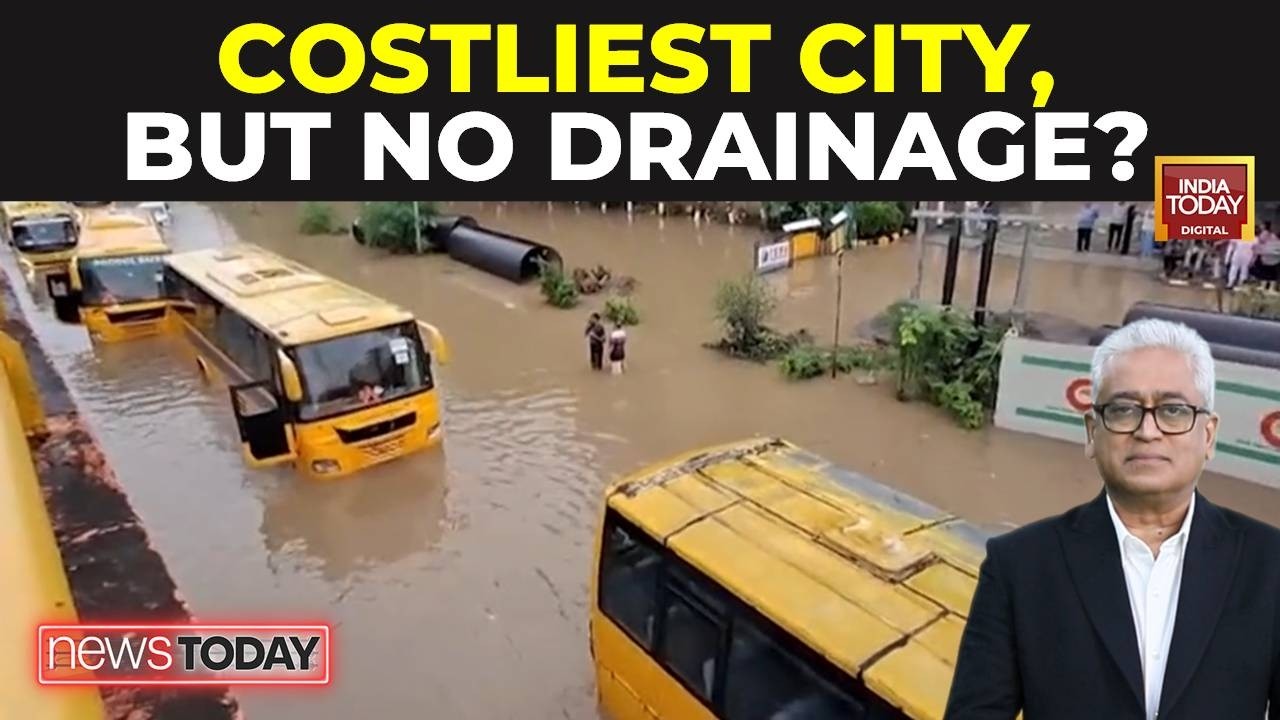
The national capital, New Delhi, faced a massive disruption on Tuesday as heavy monsoon rains continued for a second straight day. The downpour left several arterial roads submerged, forcing commuters, students, and motorists to navigate through knee-to-waist-deep water, highlighting the city's perennial struggle with urban flooding.
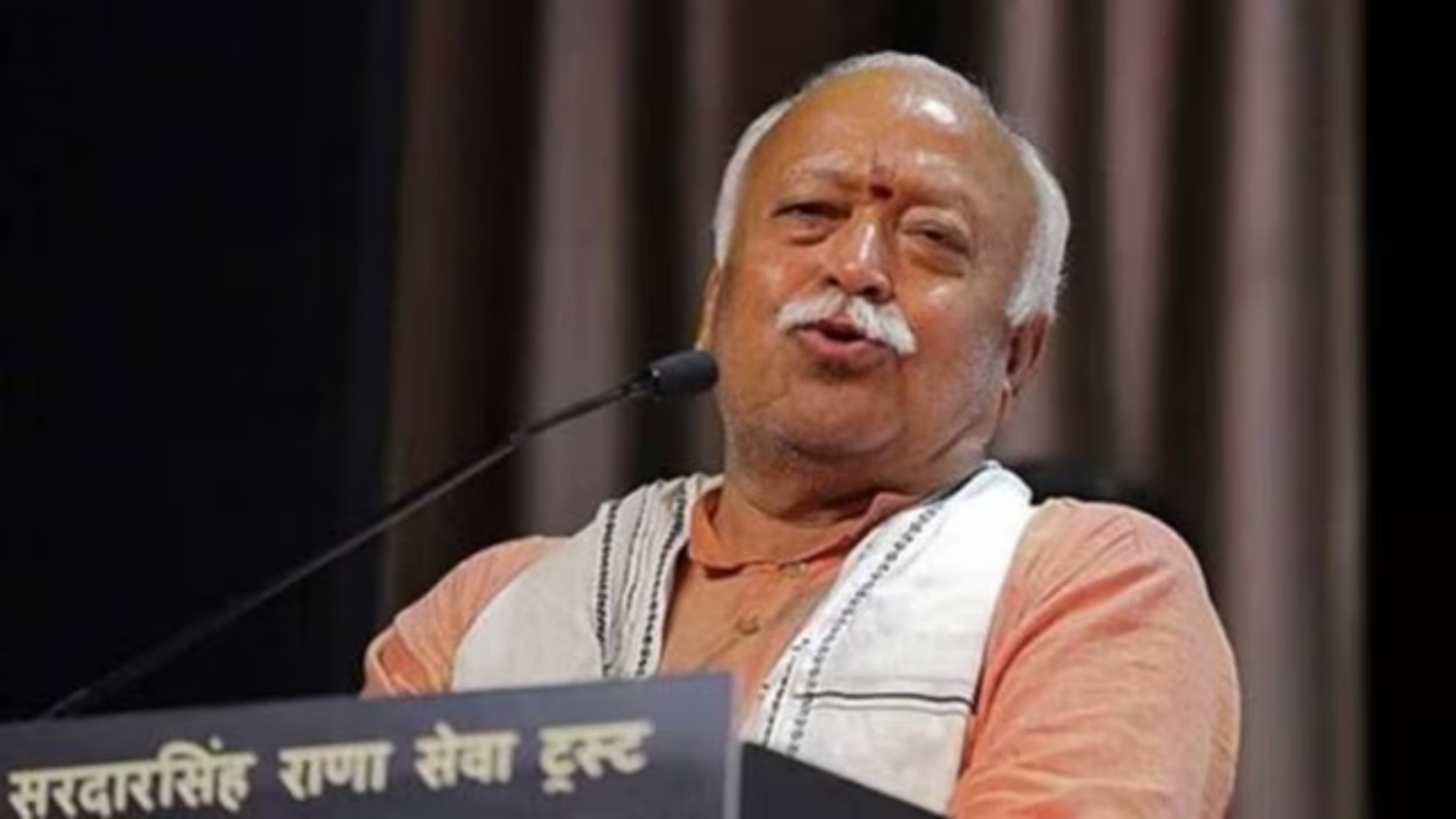
Addressing the crisis, Public Works Department (PWD) Minister Parvesh Sahib Singh characterized the situation as "temporary water accumulation" at vulnerable locations. He emphasized that pre-monsoon interventions had successfully reduced the number of identified waterlogging points from 194 to 65, and recurring hotspots from 53 to 20. The Minister stated that field teams are working on priority through pumping and drain cleaning to restore normalcy.
Why This Matters
BozokMedia analysis shows that Delhi's drainage infrastructure is uniquely complex and fragmented. The responsibility for water management is split across several bodies, including the PWD, Municipal Corporation of Delhi (MCD), NDMC, and the Delhi Jal Board. This fragmentation often leads to accountability gaps and delayed responses during extreme weather events, making the city highly vulnerable to even moderate rainfall.
The recurring nature of Delhi's flooding suggests that incremental fixes are no longer sufficient; a systemic overhaul of the inter-agency drainage coordination is required.
Visuals from across the city depicted a grim scene. In Mahipalpur, students were seen wading through deep water, while at Safdarjung Hospital, medical staff had to maneuver a patient on a stretcher through flooded stretches. Major commercial and residential hubs such as Connaught Place, Azad Market, Mandi House, and Kamla Nagar were significantly impacted, leading to massive traffic snarls on the Ring Road and other key corridors.
Deployment of Resources at Critical Points
| Location | Permanent Pumps | Personnel/Special Equipment |
|---|---|---|
| Minto Bridge | 15 | 06 Personnel |
| Zakhira Underpass | 15 | 10 Personnel + 3 PTO Pumps |
| ITO | 14 | 15 Personnel + 6 PTO Pumps |
| Azadpur Underpass | 12 | - |
According to data shared by the PWD, specialized Power Take-Off (PTO) pumps and large teams of personnel have been deployed at high-risk zones like the Zakhira underpass and ITO to expedite water removal. The department also noted that desilting work was carried out in areas that had been neglected for years due to inter-agency access disputes.
Historical Background
Delhi's drainage network is a patchwork of colonial-era systems and modern additions. As the city has expanded rapidly with concrete surfaces replacing natural soakaways, the ability of the ground to absorb rainwater has diminished significantly, leading to the increased frequency of surface runoff and urban flooding seen today.
Frequently Asked Questions
Question 1: Which areas in Delhi are most affected by waterlogging?
Answer: Major affected areas include Connaught Place, Mahipalpur, ITO, Minto Bridge, and various underpasses like Zakhira and Azadpur.
Question 2: What is the government doing to clear the water?
Answer: The PWD is deploying permanent and PTO pumps, cleaning drains, and coordinating with other agencies like the MCD and NDMC to clear the accumulation.