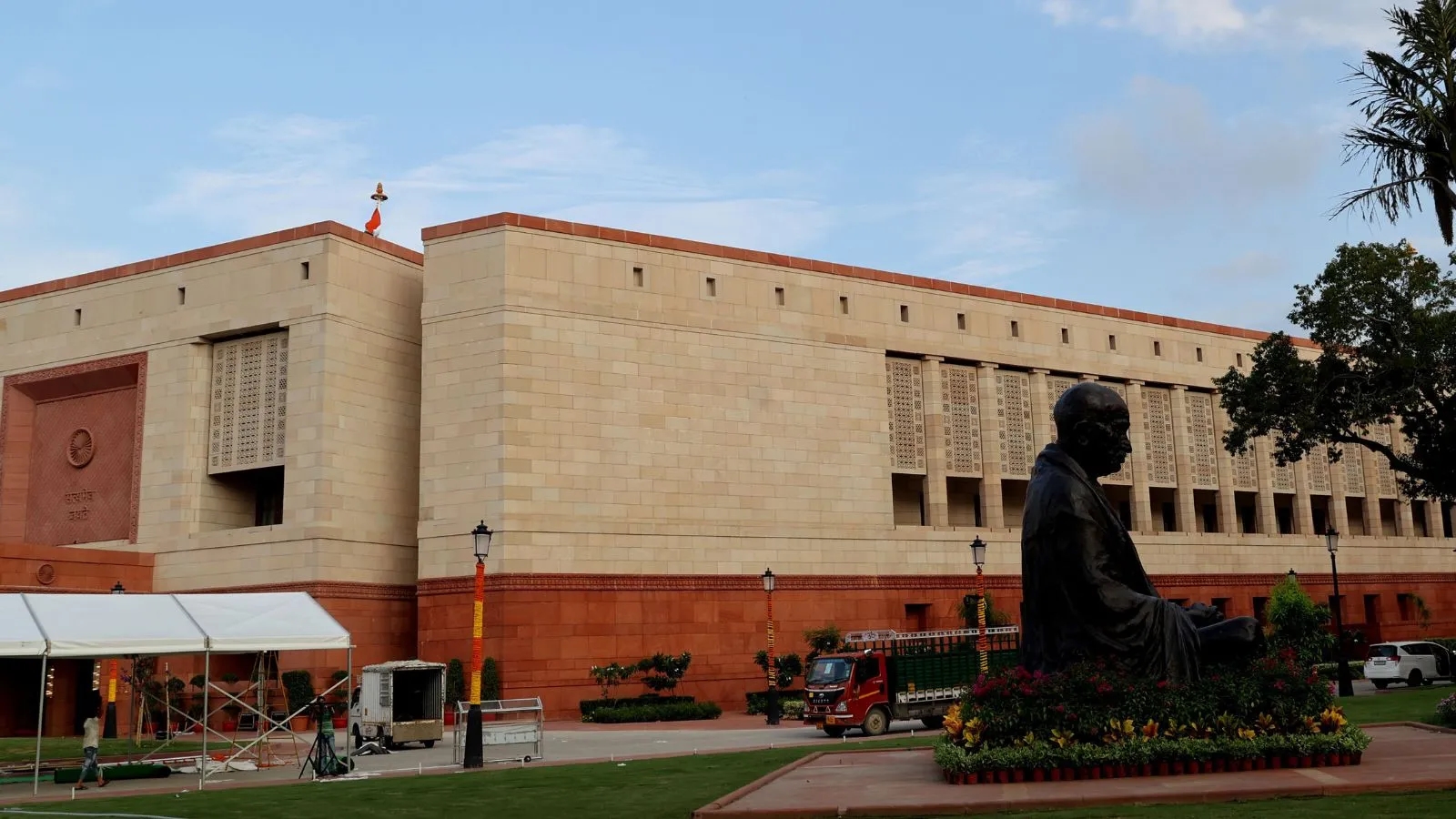
A meeting of the Standing Committee on Home Affairs descended into chaos as BJP and Congress members engaged in a heated war of words. The dispute centered on police action against students in Delhi and the sensitive history of the 1984 anti-Sikh riots.
- A heated exchange occurred between BJP and Congress MPs during a Home Affairs Standing Committee meeting.
- The conflict arose over discussions regarding police action against protesting students and the 1984 riots.
- The Committee Chairman excluded the verbal altercation and a Congress MP's letter from the official proceedings.
The meeting of the Parliamentary Standing Committee on Home Affairs, intended to discuss "crime against children," turned into a battlefield of political rhetoric. What was meant to be a substantive policy discussion involving various ministries devolved into a bitter confrontation between members of the Bharatiya Janata Party (BJP) and the Indian National Congress.
The Spark: Student Protests and Legal Constraints
The friction began when Congress members insisted on discussing the police action taken against students at Jantar Mantar on July 20, during protests related to the NEET paper leak row. Congress MPs argued that such police conduct falls directly under the purview of "crime against children." However, the committee chairman, Radha Mohan Das Agrawal, ruled that since the matter is currently sub-judice before the Supreme Court, it cannot be deliberated upon within the parliamentary committee per standard procedures.
The intersection of legal sub-judice matters and parliamentary oversight often creates a friction point that tests the limits of legislative procedure.
The situation escalated rapidly when a BJP member accused the Congress party of glorifying the late Sajjan Kumar, who was convicted for his role in the 1984 anti-Sikh riots. In a retaliatory strike, Congress members targeted the BJP over allegations of "fake encounters" in Haryana, leading to a direct verbal altercation between BJP MP Tarun Chugh and Congress MP Jai Prakash.
BozokMedia Analysis: The Erosion of Committee Decorum
BozokMedia analysis shows that the increasing trend of bringing historical grievances into modern legislative sessions is undermining the efficacy of parliamentary committees. When members prioritize political grandstanding over the scheduled agenda, the opportunity to address critical issues—such as child safety and police SOPs—is significantly diminished. The decision to strike the heated exchange from the record highlights a systemic attempt to mask institutional dysfunction.
Historical Background: The 1984 Legacy
The 1984 anti-Sikh riots remain one of the most contentious periods in modern Indian history. The political fallout from these events continues to shape the discourse between the two major political parties, often serving as a weapon in legislative debates rather than a subject for historical reflection or justice-seeking.
Frequently Asked Questions
1. Why couldn't the committee discuss the July 20 police action?
The Chairman ruled that because the matter is pending before the Supreme Court, parliamentary rules prohibit the committee from discussing it.
2. What was the official agenda of the meeting?
The primary agenda was to hear views from various ministries regarding the subject of "crime against children."

