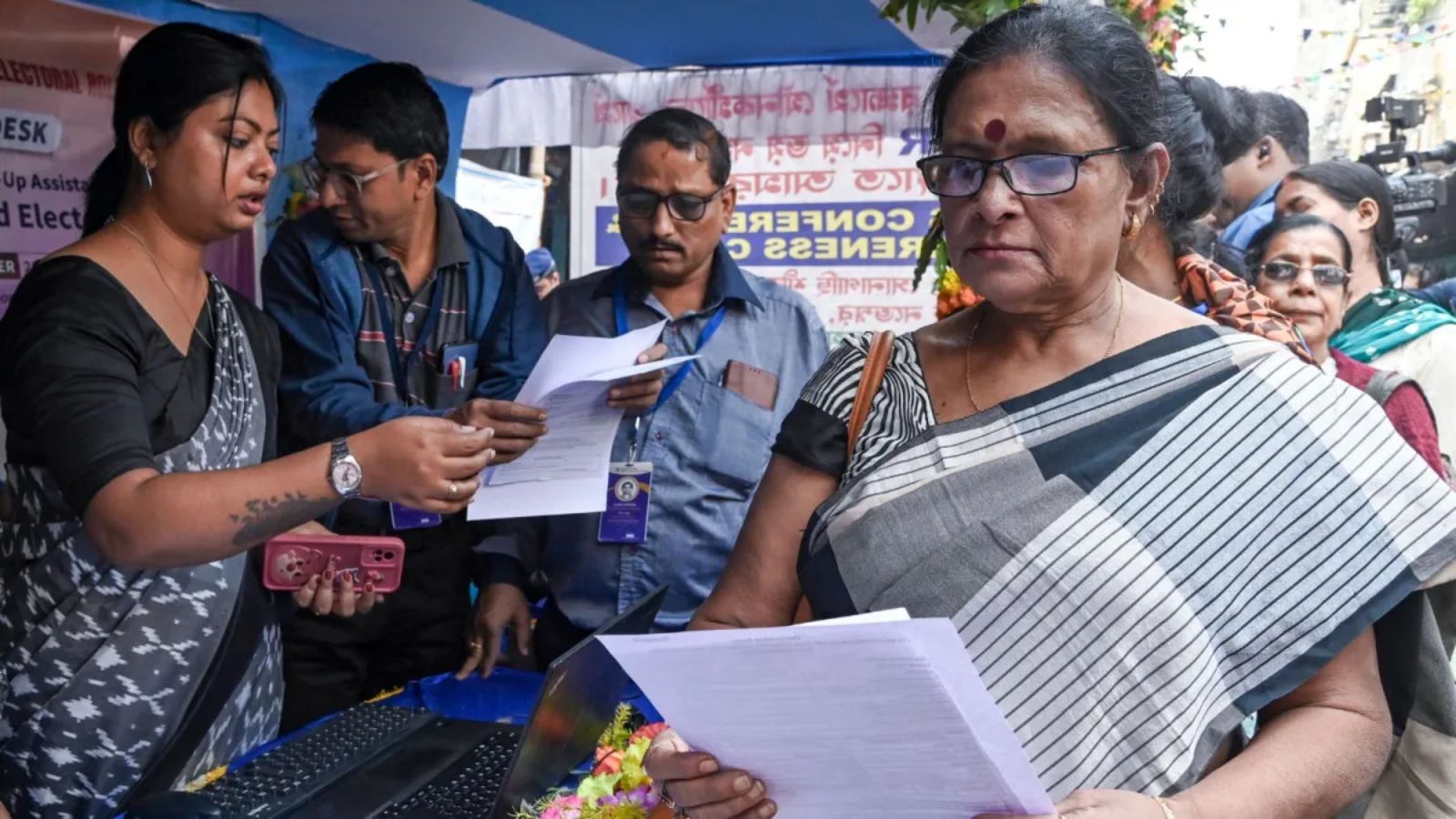
The SIR appellate tribunals in West Bengal have restored 91% of the names that were previously excluded from the electoral rolls. Congress MP Isha Khan Chowdhury has demanded an explanation for massive discrepancies in the voter data.
- Out of 82,782 appeals disposed of by SIR tribunals, 75,443 names (91%) have been reinstated.
- Congress MP Isha Khan Chowdhury highlighted a discrepancy of over 10 lakh appeals compared to 'ineligible' voters.
- South 24 Parganas and Hooghly recorded the highest numbers of name restorations.
The electoral integrity of West Bengal has come under intense scrutiny following revelations from the Election Commission (EC). According to data obtained through an RTI, the SIR appellate tribunals have successfully restored 91 percent (75,443) of the names from the appeals they have processed so far. Only 8.86 percent (7,339) of the contested names have remained excluded.
This massive restoration rate has sparked political outrage. Congress MP Isha Khan Chowdhury pointed out a staggering mathematical discrepancy: while 27,28,500 voters were marked as 'Not Eligible,' a total of 38,10,620 appeals were filed. This suggests that over 10 lakh appeals were filed by the Election Commission itself for deletions, rather than just by individual citizens contesting their exclusion.
Why This Matters
BozokMedia analysis shows that such a high percentage of restorations suggests a systemic failure in the initial adjudication process used to purge the voter rolls. When 9 out of 10 people who appeal are found to be eligible, it implies that the original exclusion criteria were either flawed or applied incorrectly, potentially disenfranchising thousands of legitimate citizens.
The high rate of restoration raises a serious question: were eligible citizens intentionally or erroneously denied their fundamental right to vote?
The impact extends beyond politics. As noted by Chowdhury, many affected citizens face real-world consequences, including difficulty accessing government benefits and fears regarding travel and employment due to identity uncertainties. The legal battle is now moving toward the Supreme Court, with leaders like Prasenjit Bose arguing that the tribunals were intended to aid inclusion, not to facilitate bulk deletions by the EC.
Regional Breakdown of Appeals
| District | Total Appeals Filed | Names Included | Names Excluded |
|---|---|---|---|
| South 24 Parganas | 3,21,332 | 20,107 | 24 |
| Hooghly | - | 19,528 | - |
| Murshidabad | 7,47,305 | 434 | 53 |
| Malda | 5,31,149 | 1,471 | 0 |
In border districts like Malda and North 24 Parganas, the restoration rate has been near perfect, with 100% of disposed cases resulting in name inclusion. However, the sheer volume of appeals in Murshidabad remains a point of concern for election observers.
Frequently Asked Questions
1. What is the significance of the 91% restoration rate?
It indicates that the vast majority of people removed from the voter list were actually eligible to vote, suggesting errors in the initial deletion process.
2. What are the political implications?
Opposition leaders argue this could be an attempt to manipulate voter demographics, especially ahead of upcoming municipal elections.