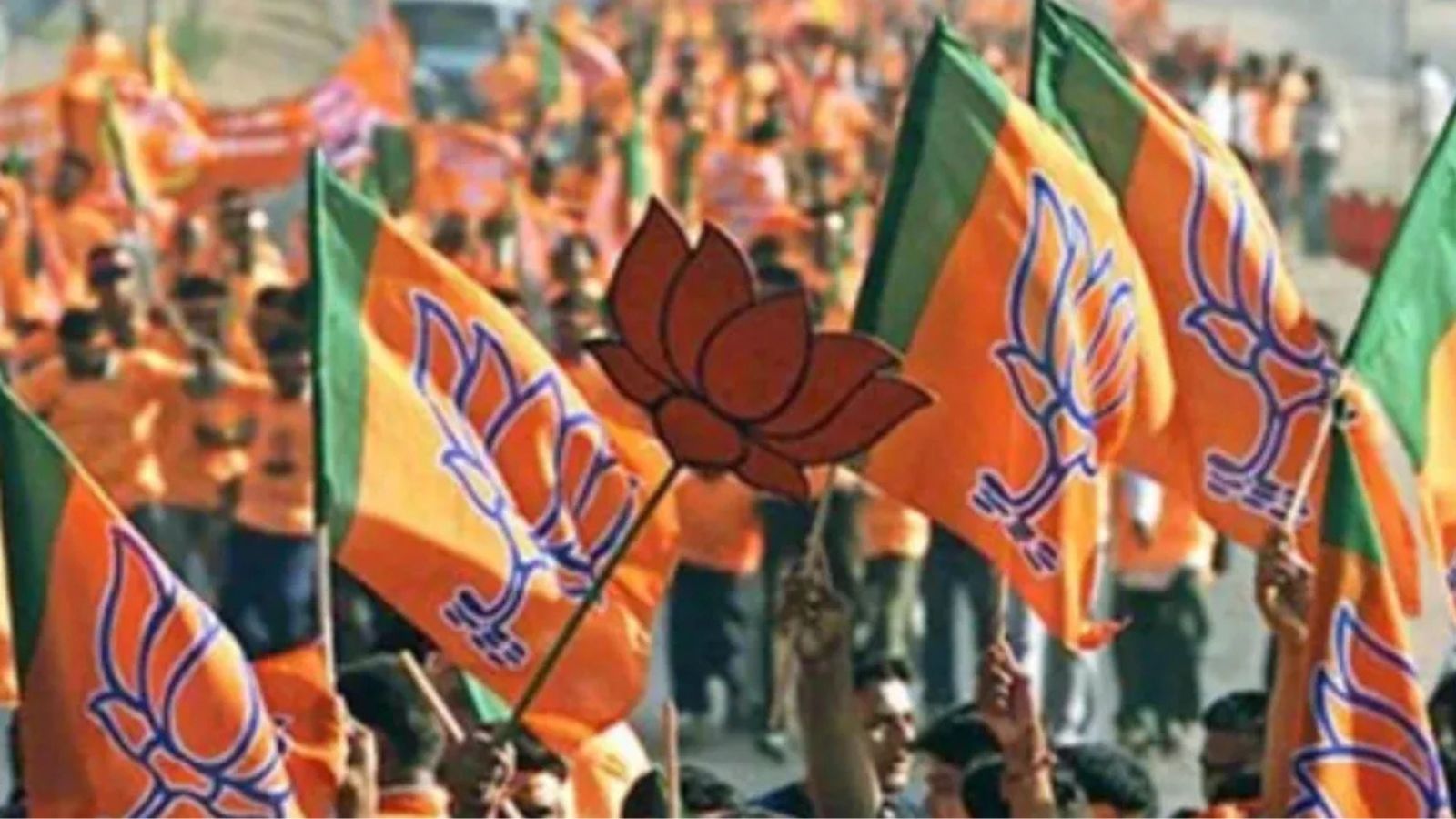
Ahead of the Chandigarh civic elections, the BJP has initiated an internal survey to assess the electoral prospects of its aspirants, shifting focus from local loyalty to direct voter feedback.
- BJP has launched an internal survey to evaluate the 'winnability' of potential candidates for Chandigarh civic polls.
- The AAP is now perceived as a more significant electoral threat than the Congress.
- Sitting BJP councillors face the risk of losing tickets if the survey shows weak ground support.
- The Delhi leadership aims to bypass local factionalism by prioritizing direct feedback.
Chandigarh: As the Chandigarh civic elections approach, the political landscape is heating up. The Bharatiya Janata Party (BJP) has launched a comprehensive internal survey to gauge the electoral strength of its potential candidates. The party high command in Delhi is reportedly seeking direct ground-level feedback to ensure that the candidates selected are those with the highest chance of winning.
This strategic move comes at a time of increasing factionalism within the local Chandigarh BJP unit. While various groups are lobbying for their preferred candidates, the central leadership has signaled that local loyalties will take a backseat to actual winnability. This could lead to significant shake-ups, as several sitting councillors may find themselves replaced if the survey reveals a lack of public support.
Why This Matters
BozokMedia analysis shows that this survey is a direct response to the BJP's underwhelming performance in the previous municipal elections. In 2021, the party underestimated the rise of the Aam Aadmi Party (AAP), which emerged as the single largest party with 14 seats, while the BJP managed only 12. By conducting this assessment, the BJP aims to prevent a repeat of such a strategic oversight.
The party's calculus is shifting from rewarding internal loyalty to prioritizing pure electoral viability.
The internal assessment also highlights a shift in the opposition landscape. The BJP now views the AAP as a more potent threat than the traditional rival, Congress, due to the AAP's growing organizational presence in densely populated colonies like Khuda Ali Sher. This heightened awareness is driving the party to closely monitor grassroots networks.
Historical Context: The 2021 Wake-up Call
The 2021 Chandigarh Municipal Corporation elections served as a major turning point. The BJP's dominance was dented when AAP successfully penetrated urban pockets that were previously considered BJP strongholds. This loss served as a 'wake-up call' for the organization, emphasizing that the urban electorate is increasingly volatile and responsive to grassroots connectivity.
| Feature | 2021 Election Result | 2026 Strategy |
|---|---|---|
| Leading Party | AAP (14 Seats) | BJP (Focus on Winnability) |
| Primary Rival | BJP (12 Seats) | AAP (High Alert) |
| Selection Criteria | Local Influence | Direct Voter Feedback |
Frequently Asked Questions (FAQ)
1. What is the main goal of the BJP's internal survey?
The goal is to identify candidates with high 'winnability' to counter the growing threat of the AAP and manage internal factionalism.
2. Will sitting councillors be replaced?
Yes, if the internal survey indicates that their electoral prospects are weak, the high command may opt for new faces.