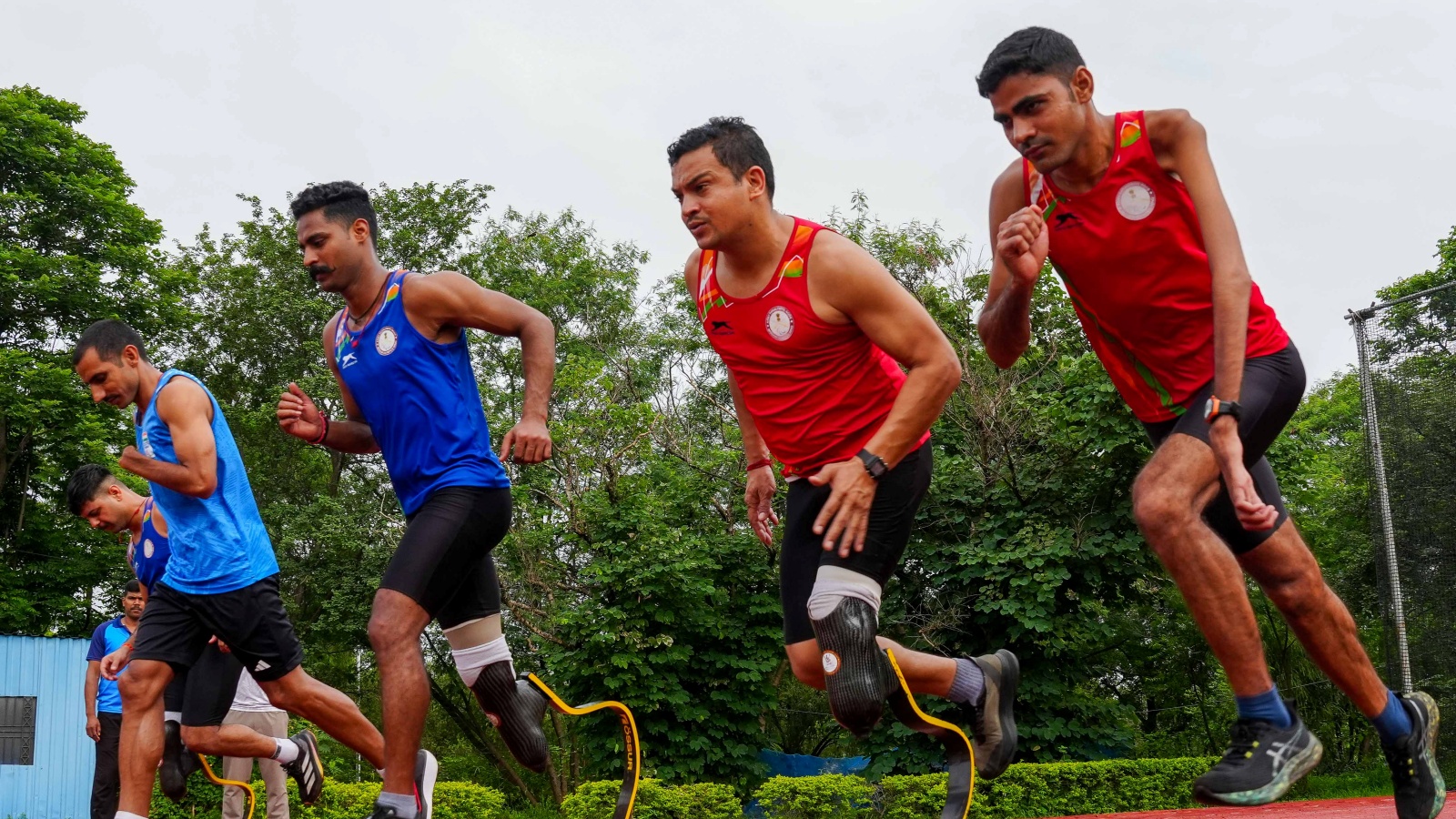
Located in Pune, the Army Paralympic Node transforms severely injured soldiers into world‑class athletes, earning medals at the Paris 2024 Paralympics and Commonwealth Games. Its success stems from targeted scouting, elite coaching, and holistic rehabilitation.
- The Node secured a bronze medal at the 2024 Paris Paralympics.
- Its core mission is to give amputees and severely injured soldiers a new purpose through sport.
- Lieutenant Colonel Daljit Singh leads the initiative with a veteran‑focused approach.
Overview
Established in 2017 within the Army Sports Institute, Pune, the Army Paralympic Node (APN) identifies soldiers with permanent, life‑altering injuries and trains them for elite competition. The program has already produced international medalists, most notably Hakato Sema, who won bronze in the men’s F57 shot put at the Paris 2024 Paralympics.
Historical Background
The Node was the brainchild of Colonel (Retd) Gaurav Dutta, who lost his left leg to a land‑mine in 2001. While competing in triathlons with a prosthetic limb, Dutta realized sport’s power to rebuild confidence and purpose for wounded soldiers, prompting the creation of the APN.
Selection and Training Model
Talent scouting occurs primarily at two Pune facilities: the Army’s Artificial Limb Centre (ALC) and the Spinal Cord Injury Centre (SCIC) at Military Hospital Kirkee. Every week, Officer‑in‑Charge Lieutenant Colonel Daljit Singh and a team of coaches visit these centres to identify candidates. Once selected, athletes are distributed across four cities for sport‑specific training: track‑and‑field, archery, swimming and triathlon in Pune; shooting at the Army Marksmanship Unit in Mhow; taekwondo in Bengaluru; and canoe/kayak in Bhopal.
Key Achievements
Beyond Sema’s bronze, the Node produced Commonwealth Games champion Soman Rana (gold) and silver‑medalist Shubham Juyal in the same F57 shot put category at Glasgow 2022. These performances earned the Node the 2025 Rashtriya Khel Protsahan Puraskar, presented by President Droupadi Murmu on 29 August 2026.
Why This Matters
BozokMedia analysis shows that the Army Paralympic Node not only rehabilitates wounded soldiers but also projects India’s soft power on global sporting platforms. The model demonstrates how institutional support can turn personal tragedy into national pride.
"Sport is the arena where physical limitations are rewritten into confidence," says sports psychologist Dr. Rita Singh.
Future Outlook
The Node aims to increase its medal tally at the 2028 Asian Paralympics and expand its athlete pool. Plans include enhanced funding, cutting‑edge prosthetic technology, and partnerships with international coaching experts.
Frequently Asked Questions
Question 1: Can any army personnel join the Paralympic Node?
Answer: Only soldiers with permanent, service‑related injuries who meet minimum physical standards are considered for selection.
Question 2: What facilities are provided to the athletes?
Answer: Athletes receive world‑class training venues, prosthetic support, psychological counseling, and financial assistance for international competitions.