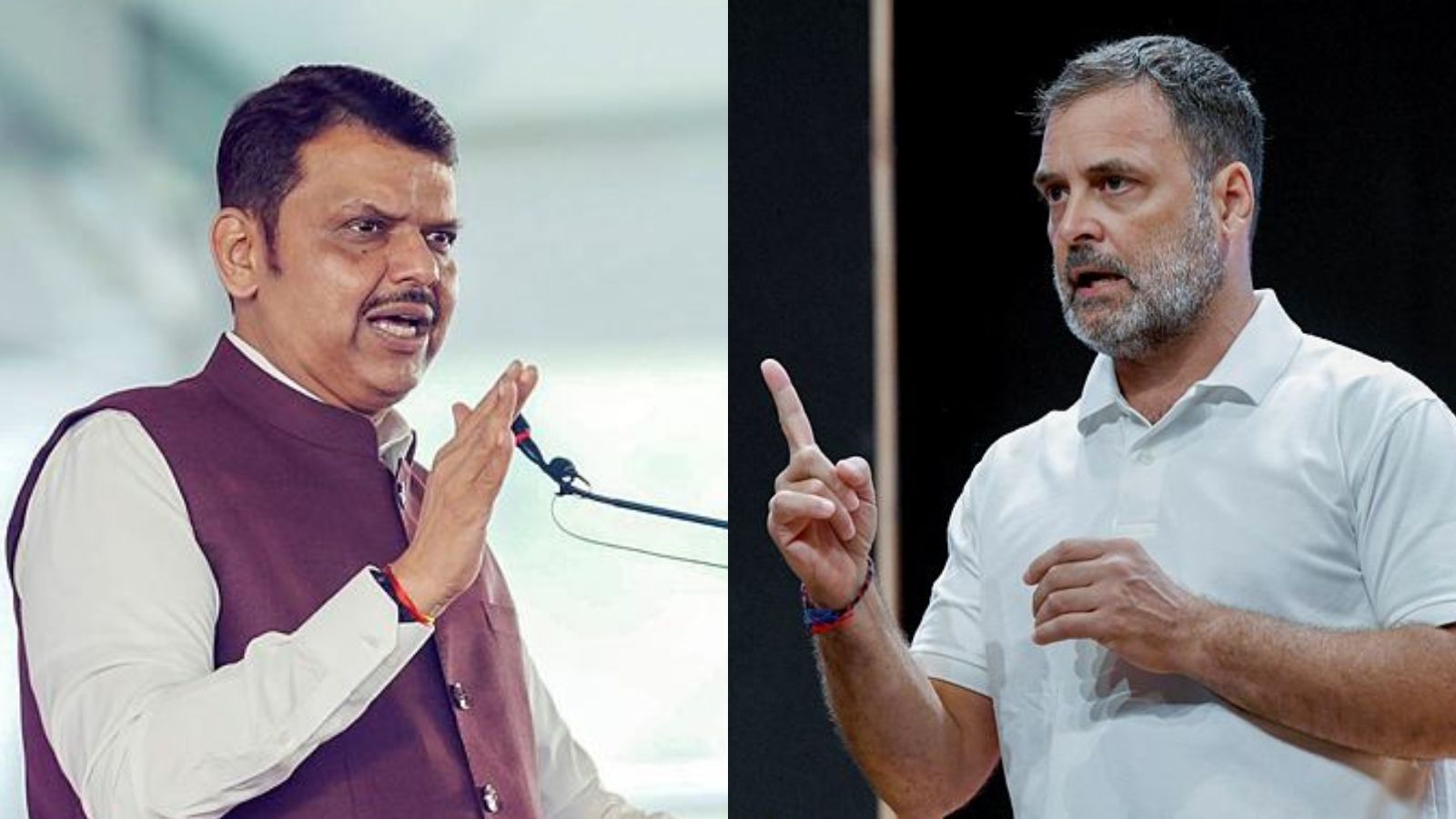
Facing increased pressure from the Congress and the growing popularity of Rahul Gandhi among youth, the BJP in Maharashtra is making urgent moves to strengthen its Mahayuti alliance with Shiv Sena and NCP.
- Rahul Gandhi's 'Chhatron Ki Goonj' in Pune has triggered a strategic reassessment within the ruling alliance.
- CM Devendra Fadnavis convened a high-level coordination meeting to rebuild trust with allies.
- A 50:30:20 ratio has been proposed for appointments in 171 state-run corporations.
- All Mahayuti partners have agreed to contest local body elections jointly.
The political landscape in Maharashtra is undergoing a rapid transformation. Following the massive response to Congress leader Rahul Gandhi's 'Chhatron Ki Goonj' program in Pune, the BJP has recognized a significant shift in the political tide, particularly among the younger demographic. This has prompted the ruling Mahayuti alliance to move swiftly to prevent any cracks in its coalition structure.
Chief Minister Devendra Fadnavis hosted a critical coordination committee meeting at his official residence, 'Varsha'. The meeting saw the participation of Deputy Chief Ministers Eknath Shinde and Sunetra Pawar. The primary objective was to address growing friction regarding power-sharing and administrative decision-making within the alliance.
Why This Matters
BozokMedia analysis shows that the BJP's decision to move from a 'solo contest' mindset to a 'cohesive coalition' strategy is a direct response to the revitalized opposition. While the BJP holds a strong 132 seats in the 288-member Assembly, the need for a united front is crucial to counter the combined strength of the Congress and regional players.
Coalition stability in Maharashtra is no longer just about numbers; it is about managing the aspirations of diverse ideological partners.
A major breakthrough in the meeting was the decision regarding state-run corporations. To resolve long-standing disputes, the alliance has proposed a distribution ratio of 50:30:20 for the 171 state corporations, with the BJP retaining the largest share, followed by Shiv Sena and the NCP. This move aims to accommodate party workers and ensure political stability.
However, challenges remain. The NCP has expressed a desire for a more significant role, specifically requesting the Finance Portfolio, which was previously held by the late Ajit Pawar. The NCP argues that in the face of intense political attacks from the opposition, they require more influence in governance to protect their interests.
Frequently Asked Questions
1. Why is the BJP reaching out to its allies now?
The BJP is responding to the growing popularity of Rahul Gandhi and the need to present a united front against the opposition.
2. What is the proposed ratio for corporation appointments?
The proposed ratio is 50% for BJP, 30% for Shiv Sena, and 20% for NCP.
| Party | Proposed Share (Corporations) | Key Demand/Stance |
|---|---|---|
| BJP | 50% | Maintain Leadership |
| Shiv Sena | 30% | Equal Representation |
| NCP | 20% | Finance Ministry Portfolio |