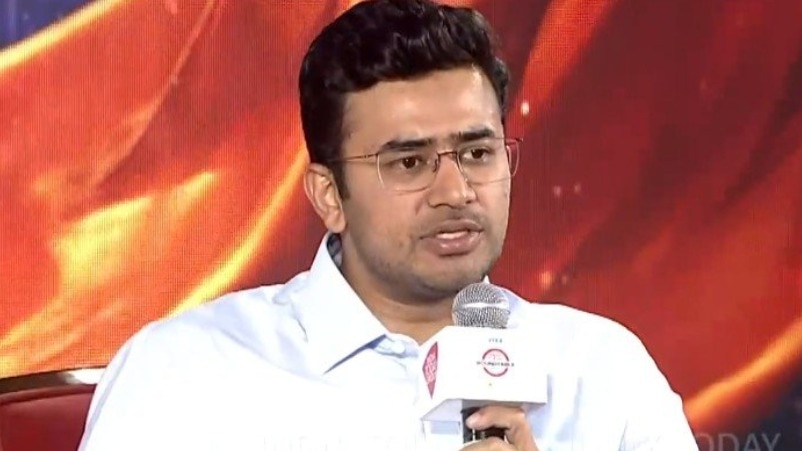
Madhya Pradesh Cabinet Minister Kailash Vijayvargiya has faced intense criticism after suggesting that rising sugar prices are beneficial as people should consume less sugar.
- Minister Kailash Vijayvargiya defended rising sugar prices in Indore.
- He suggested sugar should be expensive to discourage consumption.
- Congress leaders labeled the remarks an 'insult' to the middle class.
- Opposition links price hikes to the central government's ethanol policy.
Senior Bharatiya Janata Party (BJP) leader and Madhya Pradesh Cabinet Minister Kailash Vijayvargiya has landed in hot water following controversial remarks regarding the surge in sugar prices. Speaking to the media in Indore, the minister appeared to defend the price hike, suggesting that higher costs could serve as a deterrent for consumption.
During a lighthearted exchange, Vijayvargiya remarked, "I guess it was ₹70/kg yesterday, and today it is ₹60. It will reduce further. Anyway, 90% of people don’t like sweets these days... I would say that it should become very expensive. Sugar should only be available at cheap rates at government fair-price shops for children... The elderly should not be given sugar at all."
Why This Matters
BozokMedia analysis shows that these remarks come at a highly sensitive time. With the festive season approaching, sugar is a staple commodity, and price volatility directly impacts the household budgets of millions. For a high-ranking official to advocate for higher prices rather than addressing supply-side issues can be perceived as a disconnect from the economic realities of the common man.
Suggesting that consumers should simply 'eat less' in response to inflation is a political misstep that ignores the systemic causes of price volatility.
The reaction from the opposition was swift. Madhya Pradesh Congress President Jitu Patwari slammed the remarks, calling them an insult to the poor and the middle class. Patwari pointed out the irony of the situation, noting that the BJP rose to power on promises of controlling inflation, yet is now advising citizens to reduce their consumption to cope with rising costs.
Historical Context and Policy Implications
The debate over sugar prices in India is often intertwined with the government's Ethanol Blending Program. Critics argue that diverting sugarcane towards ethanol production for fuel blending reduces the availability of sugar in the domestic market, thereby driving up prices. While the Union Government maintains that weather patterns and global supply chains are the primary drivers, the tension between food security and energy security remains a critical policy challenge.
The government has officially stated it is monitoring the situation, citing lower domestic production and increased demand ahead of festivals as the main culprits for the current market instability.
Frequently Asked Questions
1. What was the core of Kailash Vijayvargiya's controversy?
He suggested that sugar should become expensive to discourage people from eating sweets, especially those over 40.
2. Why are sugar prices rising in India?
Factors include lower domestic production, festive demand, weather damage to crops, and the diversion of sugarcane for ethanol production.