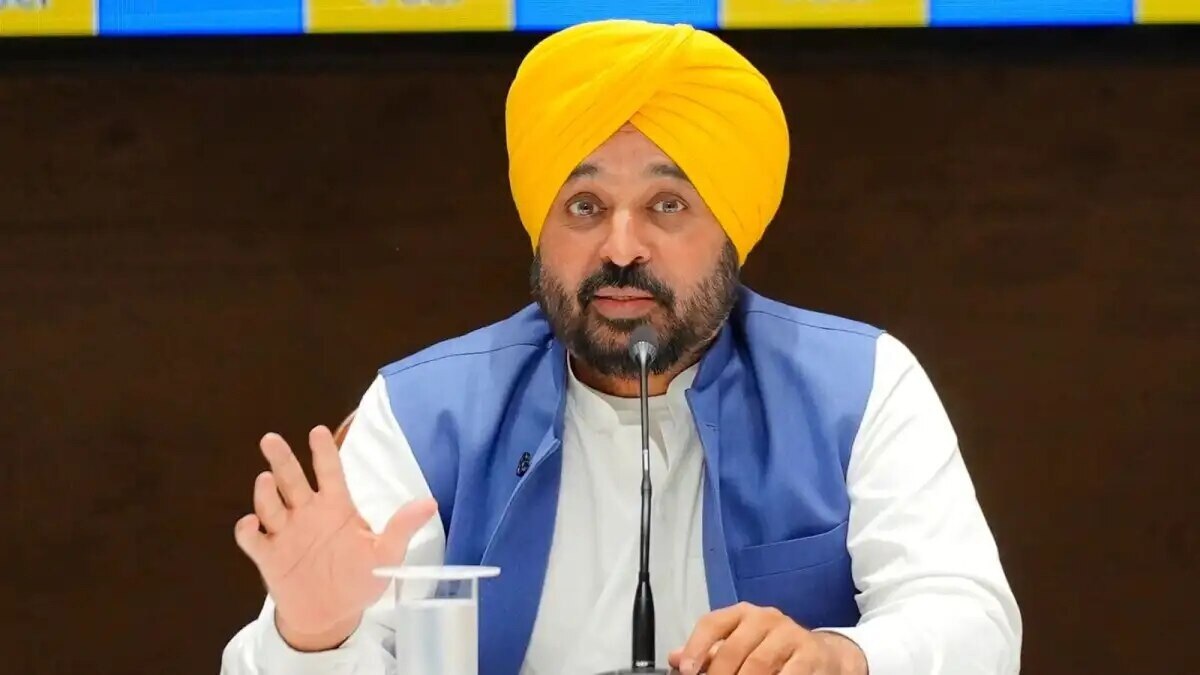
More than 15 politicians have joined the AI Pact, pledging to enforce mandatory safety reviews for AI and curb the unchecked expansion of energy-hungry data centers. The movement aims to prioritize human welfare over corporate tech dominance.
- Over 15 politicians have signed the AI Pact to regulate AI models and data center expansion.
- The pact advocates for mandatory safety reviews and an 'AI dividend' for workers.
- It seeks to end tax breaks and excessive energy usage by data center corporations.
As the rapid expansion of Artificial Intelligence and massive data centers reshapes the global landscape, a new political movement is taking shape. Dan Osborn, an independent candidate for the US Senate in Nebraska, is among more than 15 politicians nationwide who have signed the 'AI Pact'. This initiative seeks to establish a baseline for a "humanity-first future" by addressing the environmental and social impacts of the tech boom.
The Battle Over Data and Energy
The AI Pact, an offshoot of the Political Integrity Project, is built on five core promises. These include advocating for mandatory safety reviews of AI models, supporting policies that create an AI dividend for workers, and ensuring legal recourse for harms caused by AI. Unlike a total moratorium, the pact focuses on stopping "backroom deals," tax breaks, and the excessive energy consumption that characterizes modern data center construction.
The movement has gained traction as voters express growing concerns over the secrecy of data center construction and its impact on local resources. For instance, Representative Justin Pearson in Tennessee has been a vocal opponent of pollution from data centers, mirroring the concerns of the pact's signers.
Why This Matters
BozokMedia analysis shows that the political landscape is shifting from viewing AI as a purely economic opportunity to seeing it as a significant regulatory challenge. Even traditionally pro-development leaders, such as Texas Governor Greg Abbott, have acknowledged the strain on resources, with Abbott recently initiating a temporary moratorium on data center construction in his state.
AI can be a useful tool, but it has to be used responsibly; we should not be replacing teachers or nurses with AI.
The pact's supporters argue that current government actions are merely "lip service." While the White House explores voluntary safety reviews, pact signers like Gina Hinojosa demand mandatory, legally binding guardrails to protect jobs, health, and safety from unregulated corporate power.
Frequently Asked Questions
1. What are the primary goals of the AI Pact?
The pact aims to ensure AI safety through mandatory reviews and to regulate data centers to prevent environmental and economic exploitation.
2. Does the pact propose a total ban on data centers?
No, it calls for ending unfair advantages like tax breaks and excessive energy use rather than an outright ban.