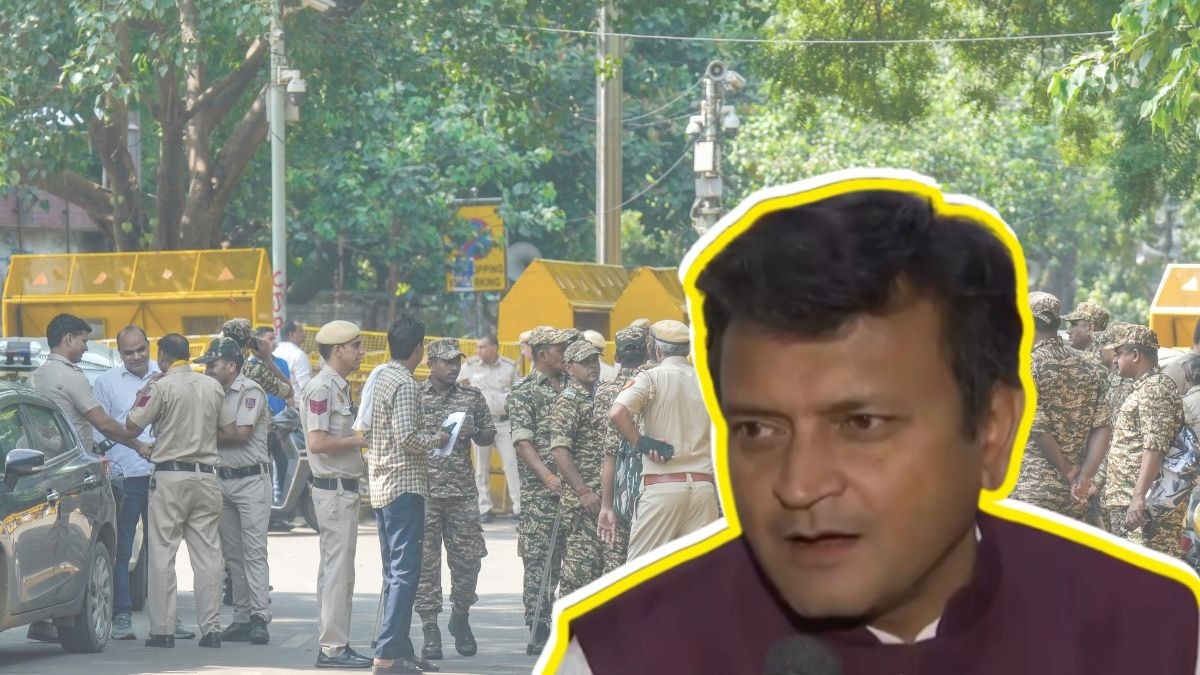
BJP spokesperson Ajay Alok's recent comments on reservation reforms have ignited a fierce debate, pitting the party's stance against ongoing protest movements.
- BJP spokesperson Ajay Alok labeled reservation reform protests as attempts to weaken Hindu society.
- Highlighted EWS reservation and OBC sub-categorization via the Rohini Commission as major government achievements.
- Protestors demanded the right for the general category to participate in the reservation discourse.
- UGC equity rules and massive protests at Jantar Mantar have intensified the controversy.
The debate over the reservation system in India has reached a boiling point once again. A recent statement by Ajay Alok, the National Spokesperson of the Bharatiya Janata Party (BJP), has triggered a fresh political controversy, touching upon sensitive nerves regarding social justice and caste dynamics.
Defending the government's position, Alok emphasized that Prime Minister Narendra Modi has already addressed the concerns of the general category by implementing the 10% EWS (Economically Weaker Sections) reservation in 2019. He further pointed toward the constitutional status given to the OBC Commission and the efforts of the Rohini Commission to ensure equitable distribution through sub-categorization within OBCs.
Why This Matters
BozokMedia analysis shows that this debate is not just about quotas, but about the shifting social fabric of India. As political parties navigate the delicate balance between social justice and the aspirations of the general category, the outcome of this discourse could redefine electoral mathematics in key states like Uttar Pradesh.
The current reservation debate is not merely about quotas; it is a reflection of the struggle between social justice and economic equity.
However, activists from the 'Reservation Reform Movement' have hit back fiercely. They argue that if the reservation system requires structural changes, the general category must have a legitimate voice in the discussion. They criticized Alok’s stance, questioning why certain communities are granted exclusive rights to speak on social issues while others are sidelined when it comes to reservation reform.
The controversy is further compounded by the UGC (University Grants Commission) 2026 equity rules. While intended to prevent caste-based discrimination in higher education, the Supreme Court had previously stayed certain provisions, citing ambiguity and potential for misuse. This legal friction has fueled large-scale protests, such as the recent demonstration at Jantar Mantar in Delhi.
Frequently Asked Questions
1. What is the significance of the Rohini Commission?
The Rohini Commission aims to review the distribution of reservation benefits among various castes within the OBC category to ensure equitable access.
2. What is EWS reservation?
EWS reservation is a 10% quota for citizens of the general category who fall under the economically weaker sections of society.
| Issue | Government Stance (BJP) | Protestors' Stance |
|---|---|---|
| EWS Reservation | Solution for General Category | Demand for Reconsideration |
| UGC Rules | Effort for Equity | Fear of Misuse |
| OBC Sub-categorization | Fair Distribution Method | Fear of Complexity |